
Springfield-Greene County Health Department Warns of Suspected Avian Flu in Southeast Waterfowl
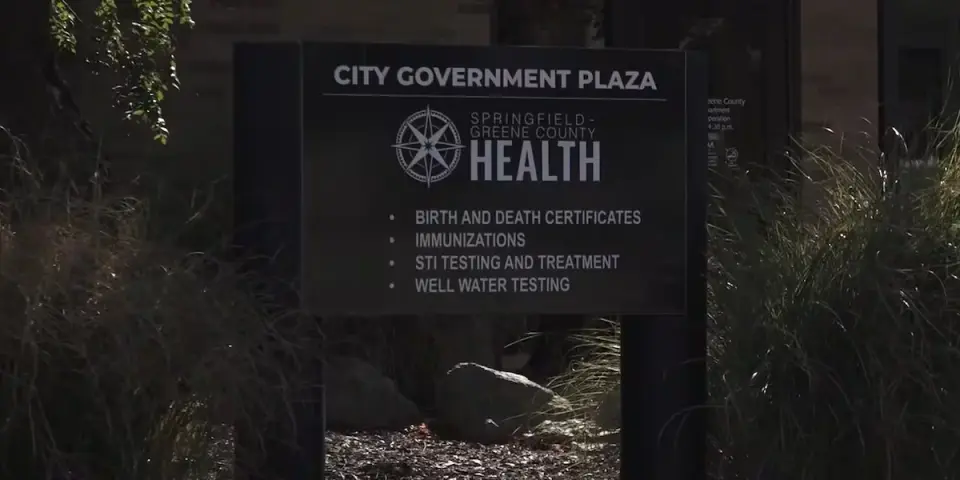
The Springfield-Greene County Health Department has issued a notice regarding suspected cases of Highly Pathogenic Avian Influenza (HPAI) in waterfowl within southeast Greene County. These suspected cases follow four recently confirmed HPAI cases in Christian County. The Missouri Department of Conservation is aware of the situation and oversees wildlife HPAI cases. Officials advise residents to avoid contact with wild birds, monitor pets, and report dead or sick birds to the Department of Conservation. Symptoms in wild birds include respiratory issues, blue combs, and sudden flock deaths. Human exposure symptoms may include pink eye, fever, and cough. Residents are urged to disinfect clothing if they step in wild bird feces, as the virus can survive on surfaces for up to two months.
Key points
- Suspected HPAI cases identified in waterfowl in southeast Greene County, Missouri.
- Four confirmed HPAI cases recently reported in Christian County, Missouri.
- Missouri Department of Conservation oversees wildlife HPAI cases and is aware of the Greene County suspicions.
- HPAI warning signs in wild birds include respiratory symptoms, blue combs, diarrhea, and sudden flock deaths.
- Residents advised to avoid contact with wild birds and their feces to prevent virus transmission.
- HPAI can survive on surfaces for up to two months; disinfect clothing if exposed to wild bird feces.
Background
Recent regional alerts, including suspected avian flu in South Carolina’s Charleston County following dead waterfowl discoveries in parks, highlight a broader pattern of seasonal bird migration contributing to HPAI risks. Earlier in 2026, a rare Chlamydia abortus outbreak at Point Defiance Zoo in Washington was confirmed, while a massive Adélie penguin die-off in Antarctica was traced to avian cholera rather than HPAI, underscoring the complexity of avian disease surveillance. The current Greene County alert aligns with these trends, emphasizing the need for public vigilance and rapid reporting of wild bird mortality to prevent potential human transmission.
Why it matters
HPAI poses a dual threat to wildlife populations and public health, as the virus has the potential to become a human pathogen. Early detection and avoidance of contact with infected birds or their feces are critical to preventing outbreaks. The virus’s ability to survive on surfaces for up to two months increases the risk of environmental transmission, making strict hygiene and pet monitoring essential for community safety.
What to watch
The Missouri Department of Conservation will continue monitoring suspected HPAI cases in Greene County. Residents are urged to report any dead or sick wild birds to the Wildlife Health Program. Health authorities will provide updates as testing results for the suspected cases become available. Public health officials will maintain guidance on avoiding contact with wild birds and disinfecting exposed surfaces to mitigate transmission risks.
Want the full story? Read the original reporting
Read on KY3