
Utah Mink Farm Bird Flu Outbreak Exposes Regulatory Gaps and Public Health Concerns
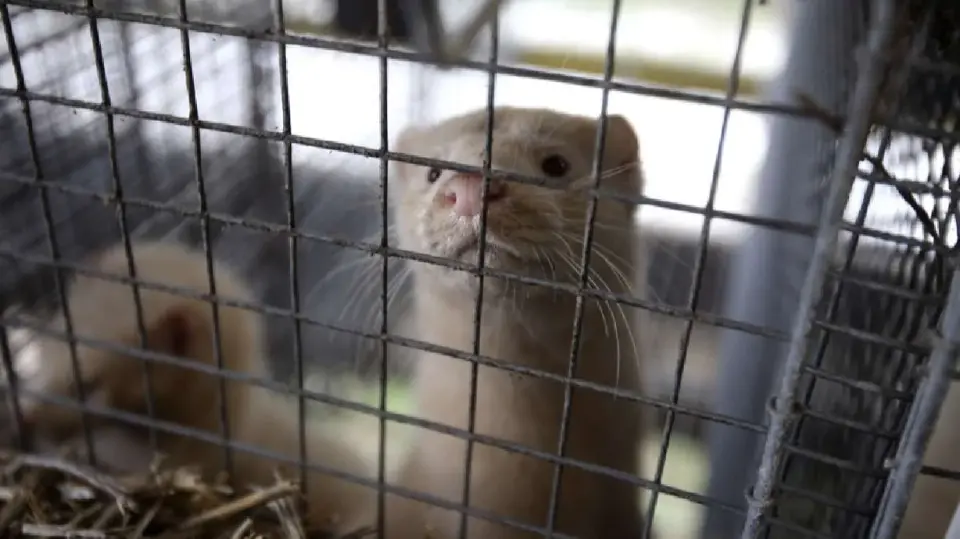
A first-of-its-kind H5N1 outbreak at a Utah mink farm has killed approximately 80% of the herd, sparking criticism from animal welfare groups over the state's lack of transparency and clear response protocols. While officials cite the absence of precedent for mink-specific avian flu, advocates warn of potential viral evolution and public health risks.
Key points
- Seven cases of H5N1 were confirmed in captive mink in Salt Lake County in August 2026, marking the first documented outbreak in U.S. mink.
- The affected farm is expected to lose about 80% of its mink, with officials lacking a standard quarantine protocol or approved vaccine for the species.
- Animal welfare groups criticize the Utah Department of Agriculture and Food for withholding details on transmission, worker exposure, and viral sequencing.
- State officials are weighing depopulation, quarantine, or emergency vaccine approval, but federal authorization for vaccination remains pending.
- Advocates highlight the risk of viral mutation in confined mink, citing previous COVID-19 outbreaks in Utah mink farms in 2020.
Background
This incident follows a 2020 COVID-19 outbreak that killed approximately 12,000 mink across 12 Utah farms, highlighting the vulnerability of confined mink to respiratory viruses. The current H5N1 outbreak occurs amid broader avian flu activity in Utah, including cases in dairy herds, poultry, and wild birds. Previous international outbreaks in Spain and Finland led to mass culling and genomic investigations, contrasting with the current lack of public data in the U.S. case.
How outlets are covering it
KSL.com and The Salt Lake Tribune report that state officials are navigating an unprecedented situation with limited guidance, opting for a 'verbal hold' rather than a legal quarantine. The Tribune notes that federal farm assistance programs do not cover mink, leaving producers financially vulnerable. Animal Wellness Action and the Center for a Humane Economy criticize the response as 'dangerously lax,' arguing that the lack of transparency on viral sequencing and transmission risks public health. They point out that the outbreak was initially detected by independent researchers rather than government agencies. The Animal Welfare Institute emphasizes the need for biosecurity measures and suggests phasing out mink farming to prevent future disease reservoirs. afludiary.blogspot.com highlights the absence of official government statements and the reliance on public records requests to uncover details, noting that similar outbreaks in Europe led to immediate culling and genomic analysis.
Why it matters
The outbreak underscores the regulatory gaps in mink farming, a sector that has declined significantly but remains a potential vector for viral evolution. The lack of clear protocols for H5N1 in mink raises concerns about public health safety and the effectiveness of current biosecurity measures. It also highlights the tension between economic support for the mink industry and the need for disease surveillance and transparency.
What to watch
The USDA is expected to decide whether to approve emergency vaccination for mink, which could influence the state's response. Advocates are pushing for greater transparency and potential legislative changes to phase out mink farming. State officials will continue to monitor the outbreak and assess the risk of transmission to humans or other species.
- Animal welfare groups criticize response to bird flu outbreak at Utah mink farm KSL.com
- Utah Mink Farm Expects to Lose 80% of Its Animals to Bird Flu, State Records Show Nature World News
- 'Watch them die': Bird flu outbreak at Utah mink farm largely unchecked, advocates say The Salt Lake Tribune
- Veterinary Experts Condemn Dangerously Lax Response to H5N1 Outbreak at Utah Mink Farm Animal Wellness Action
- H5N1 in Utah Mink (Updated) afludiary.blogspot.com
Want the full story? Read the original reporting
Read on KSL.com