
Utah Radon Report: 70% of Homes Exceed EPA Action Thresholds
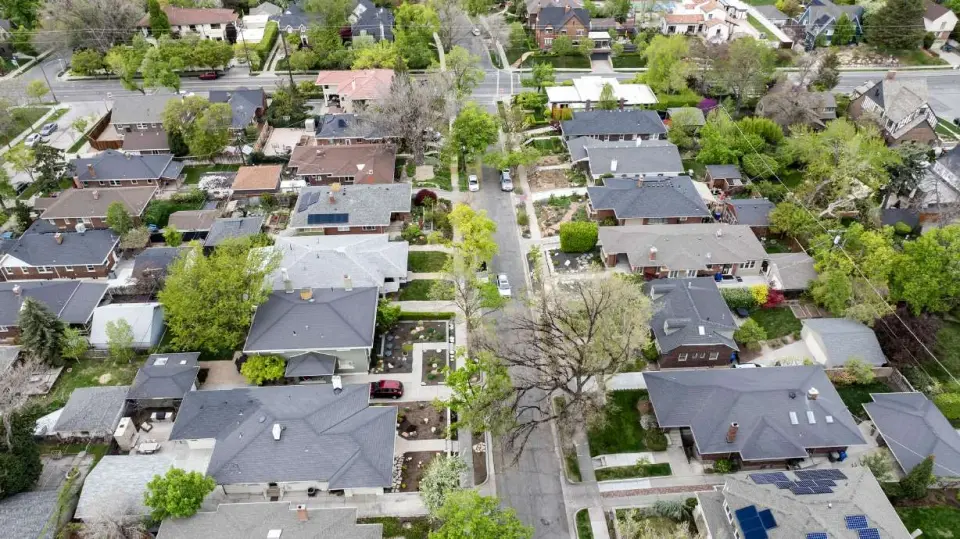
A new report reveals that nearly 70% of Utah homes have radon levels exceeding the EPA's action threshold, with over 57% surpassing the WHO reference level. Experts warn that radon is the second leading cause of lung cancer, urging residents to test continuously rather than relying on periodic checks.
Key points
- The 2026 State of Radon in Utah report analyzed over 18,000 tests from September 2025 to September 2026, finding that 69.6% of homes exceeded 2.0 pCi/L, the EPA's recommended action level.
- 57.6% of tested homes surpassed 2.7 pCi/L, the World Health Organization's reference level, indicating widespread exposure across all income levels and housing ages.
- Radon is identified as the second leading cause of lung cancer, with no known safe exposure level, yet current screening recommendations primarily target tobacco users.
- Mitigation systems, such as sub-slab pumps, cost approximately $2,000 and take about three hours to install, but uptake remains low with only 15 tests per 1,000 homes statewide.
- Cities like Grantsville and Perry show the highest risk, with around 80% of homes exceeding WHO levels, while Washington County has the lowest percentage at 20%.
Background
This report follows earlier local health initiatives in Utah, such as the October 2026 quilt auction supporting Intermountain Health’s Women’s Heart and Vascular Program, which highlighted broader gaps in preventive health awareness. While that event focused on cardiovascular disease, the current radon data underscores a different but equally critical environmental risk for respiratory health in the state.
Why it matters
High radon levels pose a significant, controllable risk for lung cancer, yet awareness and testing rates remain low. The data suggests that current EPA thresholds may be outdated, as many deaths occur at lower exposure levels, necessitating a shift toward continuous monitoring and broader public health interventions.
What to watch
Advocates are pushing for state laws requiring radon testing during home purchases and mandating radon-resistant construction in new homes. Additionally, oncologists hope for expanded cancer screening protocols that include radon-exposed individuals, not just tobacco users, to catch cases earlier.
Want the full story? Read the original reporting
Read on KSL News