Tag

Radon

All articles tagged with #radon

Giant Deep-Sea Frame Tests Seabed Minerals Off American Samoa
science5 hours ago

Giant Deep-Sea Frame Tests Seabed Minerals Off American Samoa

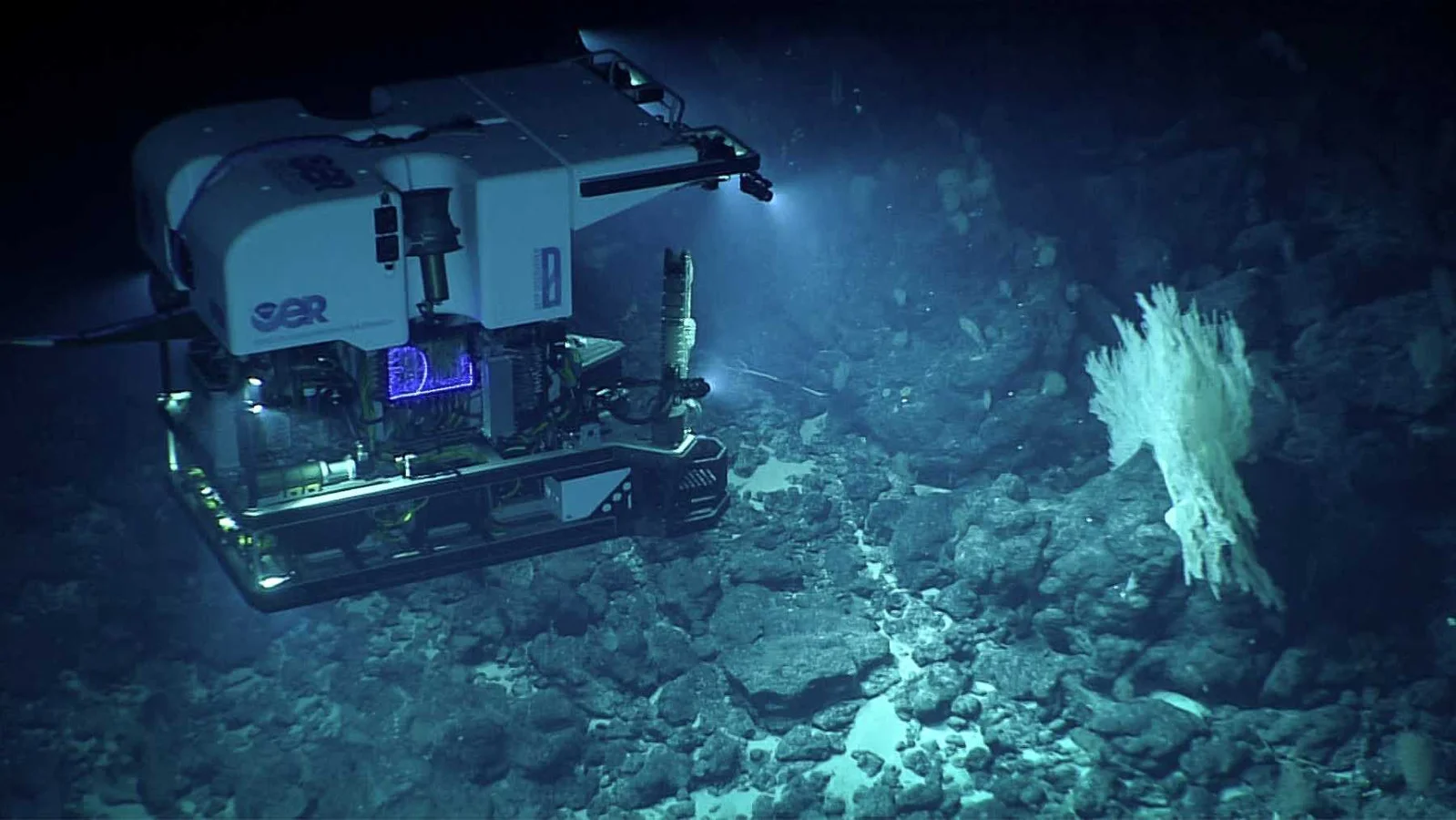
NOAA deployed a 9,700-pound robot (D2) with a 10-inch sampling square off American Samoa at about 16,863 feet depth to harvest seabed nodules rich in nickel, cobalt, and copper, then tested whether radon gas in the overlying water could indicate nodule abundance, a method that could enable cheaper, wider exploration of offshore mineral resources while protected deep-sea areas remain off-limits.

Lung Cancer Risk Isn’t Just Smoking: Hidden Hazards at Home, Work, and Air
health1 month ago

Lung Cancer Risk Isn’t Just Smoking: Hidden Hazards at Home, Work, and Air

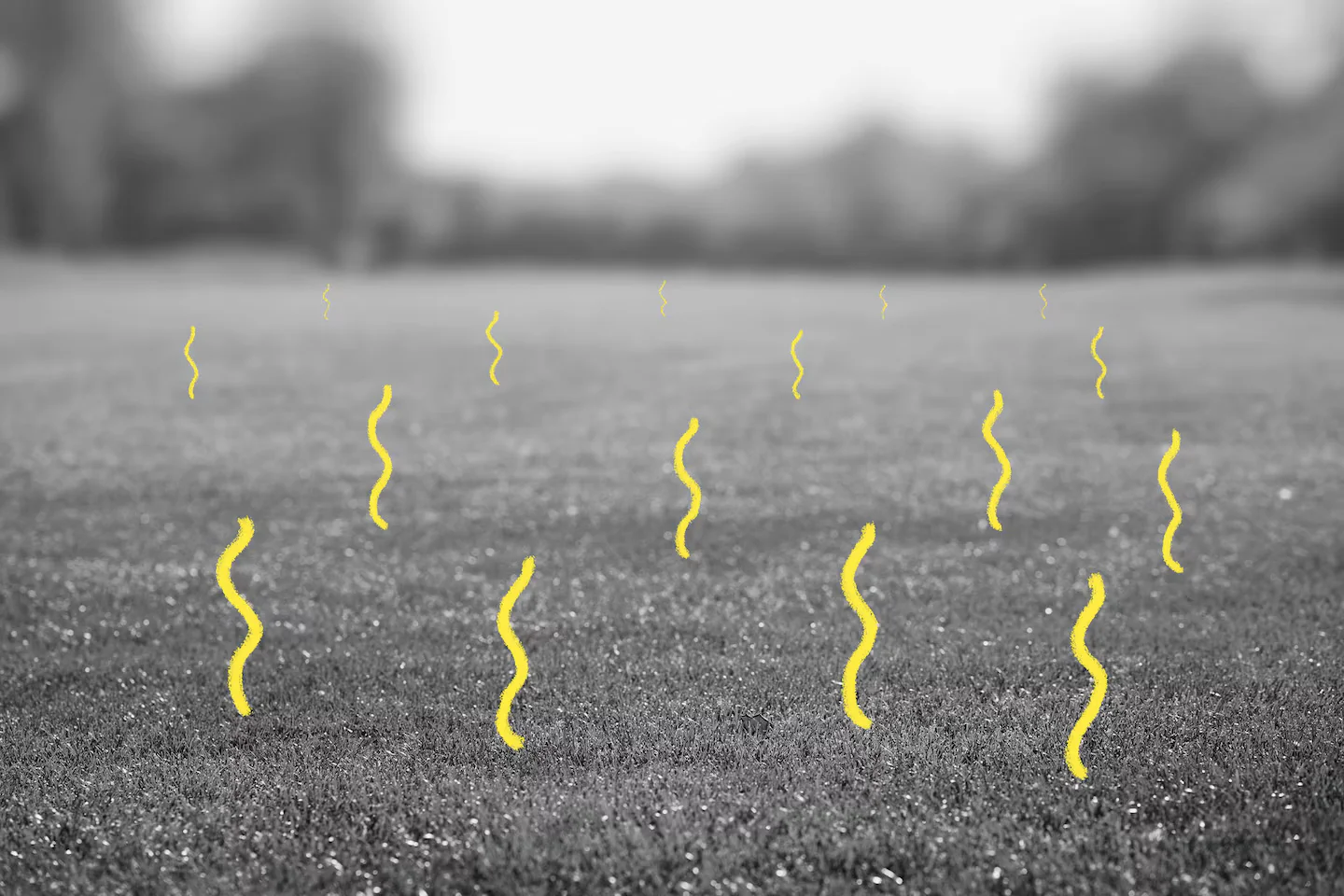
A TOI Health piece explains that while smoking is the main preventable lung-cancer risk, other factors—indoor radon, air pollution, secondhand smoke, and workplace exposures—also raise risk. Quitting tobacco remains the strongest prevention, with risk decreasing over time; vaping is not risk-free, and switching to other forms of tobacco doesn’t eliminate danger. Prevention includes testing for radon, improving home ventilation, and reducing exposure at work, as well as maintaining a healthy lifestyle. For some high-risk adults, annual low-dose CT screening may help detect cancer earlier, but screening should be personalized by a clinician and follow country-specific guidelines.

Everyday Exposures That Could Raise Cancer Risk—and How to Cut Your Odds
health5 months ago

Everyday Exposures That Could Raise Cancer Risk—and How to Cut Your Odds

The piece reviews how common environmental factors—radon gas in homes, lingering asbestos in older buildings, microplastics, and outdoor air pollution—are linked to cancer risk and offers practical steps to reduce exposure: test homes for radon and mitigate if high; have asbestos safely removed by professionals (EPA banned asbestos in 2024); minimize microplastic exposure by choosing mindful personal care products and avoiding heavy plastic use; reduce air-pollution exposure with measures like masks and at-home air purifiers; and embrace overall healthy lifestyle habits to lower cancer risk.

Lung cancer shifts to younger, non-smoking women
health6 months ago

Lung cancer shifts to younger, non-smoking women

A growing share of lung cancer cases now occur in never-smokers, especially women, with radon exposure and other factors contributing to risk. Laura Hamann’s story illustrates this trend, often asymptomatic and found incidentally; advances in targeted therapies are improving outcomes, and experts urge radon testing and discussion of screening for high-risk individuals.

health1 year ago

Air Pollution and Lung Cancer Risk in Nonsmokers

Many lung cancers now occur in nonsmokers, with radon being the second leading cause. Testing and mitigation of radon can significantly reduce risk at a relatively low cost, though awareness and decision-making vary. The article discusses radon's health impact, costs of mitigation, regional differences, and the importance of informed choices, emphasizing that fixing known hazards like radon is generally affordable and beneficial.

Utah Home Gas Tied to Increased Childhood Leukemia Risk
health1 year ago

Utah Home Gas Tied to Increased Childhood Leukemia Risk

A study by Oregon State University and collaborators has found a link between radon gas exposure and increased childhood leukemia rates, even at levels below the EPA's mitigation threshold. The research, which included data from Utah, suggests that children exposed to radon concentrations of 1.9 pCi/L or higher have a higher risk of leukemia. Radon, a radioactive gas from decaying uranium, is prevalent in Utah homes, and health organizations recommend regular testing to mitigate risks. The study calls for further research to confirm causation.

"Rising Non-Smoking Lung Cancer Cases in Utah Linked to Radon Exposure"
health-and-safety2 years ago

"Rising Non-Smoking Lung Cancer Cases in Utah Linked to Radon Exposure"

Radon, a naturally occurring radioactive gas prevalent in Utah, is the leading cause of lung cancer in non-smokers and the second leading cause in smokers. Despite its prevalence, many Utah residents are unaware of the dangers posed by radon. It is imperative for Utah homeowners to test for radon, as 33% to over 50% of homes in the state have high radon levels. Testing is simple and free through UtahRadon.org, and if high levels are detected, mitigation systems can be installed to reduce the risk of radon-induced lung cancer.

"Utah Cancer Expert Warns of Lung Cancer Risk from Home Environment"
health2 years ago

"Utah Cancer Expert Warns of Lung Cancer Risk from Home Environment"

Despite Utah's low smoking rates, lung cancer cases are on the rise due to radon exposure, the second leading cause of lung cancer. Radon, a radioactive gas, is prevalent in Utah due to high uranium levels in the ground, with an estimated one in three homes having high radon levels. Many cases of lung cancer in non-smokers like Connie Alexakos are attributed to radon exposure, emphasizing the importance of regular radon testing and mitigation to reduce the risk of lung cancer.

"Arctic Permafrost Thaw: Potential Release of Cancer-Causing Radon"
environment2 years ago

"Arctic Permafrost Thaw: Potential Release of Cancer-Causing Radon"

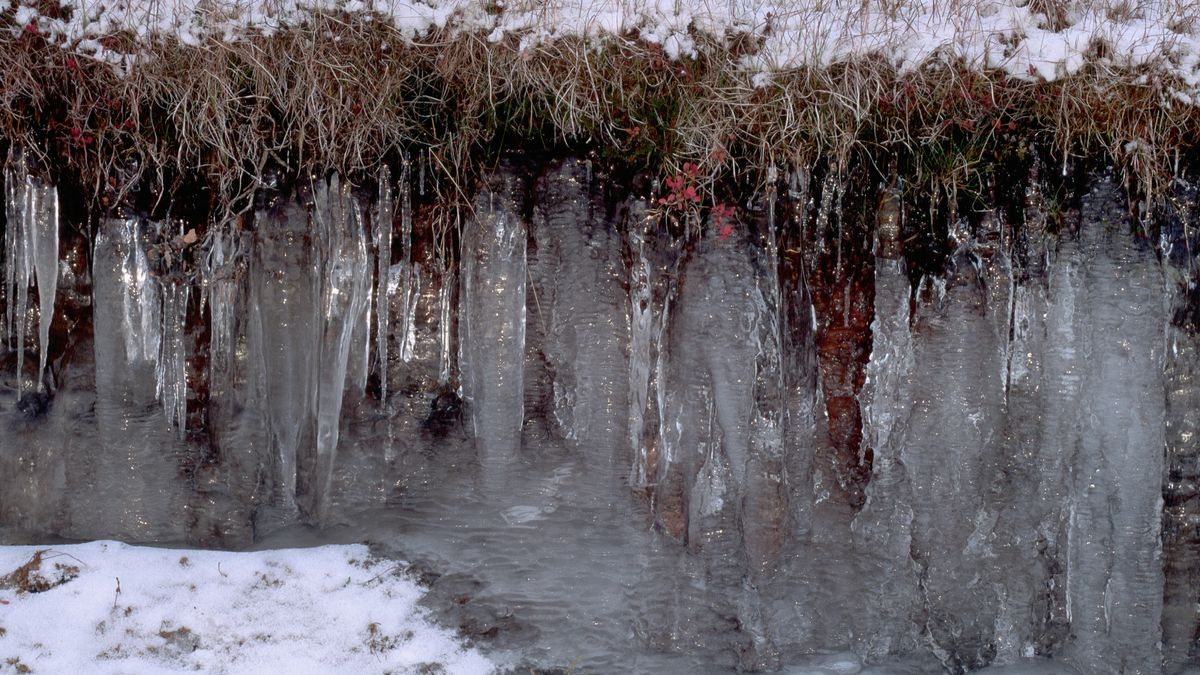
Thawing Arctic permafrost could release radioactive gas radon, which has the potential to cause lung cancer. As permafrost melts, it could allow radon to migrate into homes and workplaces, posing a health risk. The release of radon is a concern alongside other gases like methane and methylmercury trapped beneath the permafrost, and researchers are calling for more attention and research on this issue as the climate warms.

The Mysterious Hessdalen Lights of Norway
science3 years ago

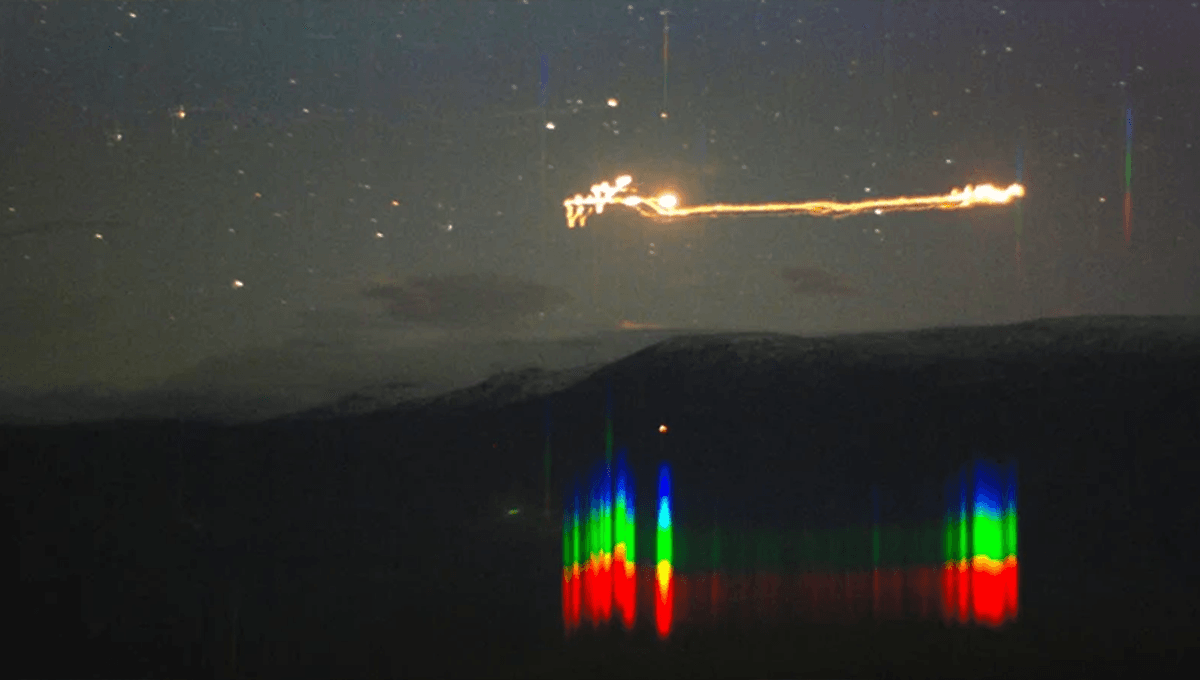
The Mysterious Hessdalen Lights of Norway

Hessdalen, Norway has been witnessing strange balls of light in the sky since the 1930s. While some sightings can be explained, others remain a mystery. One theory suggests that the phenomenon is caused by radon decaying in the atmosphere, while another proposes that the valley is acting as a natural battery. The valley is split in two by a river, with zinc and iron-rich rocks on one side and copper-rich rocks on the other, and the missing piece to support the natural battery model was identified in 2012 with the rediscovery of local sulphur mines. However, there is still no overall consensus on what is causing the lights.