
15 Proper Push-Ups: The New Benchmark for Elite Strength in Adults Over 60
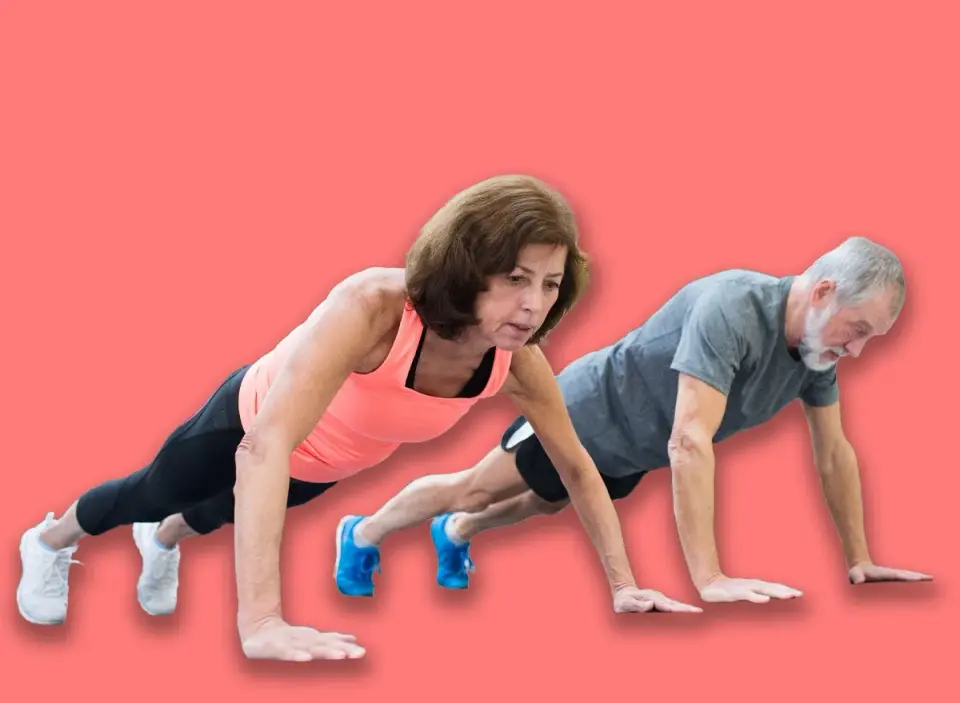
A personal trainer identifies 15 slow, controlled push-ups as the threshold for elite upper-body strength in adults over 60. This metric prioritizes form over volume, ensuring full range of motion and core stability. While research links high push-up counts to lower cardiovascular risk, experts emphasize that quality execution is more indicative of functional health than raw rep counts. For those unable to achieve this number, incline push-ups are recommended as a progressive alternative to build necessary strength safely.
Key points
- James Bickerstaff, a certified personal trainer, states that 15 slow, controlled push-ups with full range of motion signal excellent strength, stability, and muscular endurance for individuals over 60.
- Proper form involves lowering the chest close to the floor, keeping elbows near the sides, and maintaining a braced core to recruit more muscle fibers than shallow repetitions.
- A 2019 Harvard study found that men completing over 40 push-ups had a 96 percent lower risk of cardiovascular disease, though this specific threshold does not directly apply to older adults.
- For those unable to perform 15 standard push-ups, incline push-ups against a bench or countertop are advised to train the same muscles while reducing body weight load.
- Training should include three to four sets of maximum repetitions with 90 to 120 seconds of rest between sets to gradually build strength toward the target benchmark.
Background
Recent coverage has highlighted the importance of consistent, low-intensity strength training for older adults, noting that even brief sessions can yield significant health benefits. Additionally, other simple metrics like grip strength via dead hangs have been promoted as indicators of functional fitness for women over 40, reinforcing the trend toward accessible, equipment-free assessments of physical capability.
Why it matters
This benchmark provides a clear, actionable goal for older adults seeking to maintain independence and reduce health risks. By focusing on quality over quantity, it helps prevent injury while ensuring that strength gains translate to real-world abilities like rising from chairs or carrying groceries. It also offers a scalable pathway for those with limited mobility, making elite fitness accessible without specialized gym equipment.
What to watch
Individuals should assess their current capacity and begin with incline variations if necessary. Consistent practice with proper form will gradually increase strength, allowing users to progress toward the 15-rep standard. Monitoring cardiovascular health alongside strength metrics may provide a more comprehensive view of overall well-being.
Want the full story? Read the original reporting
Read on Eat This Not That