
Experts warn against rigid 'cycle-syncing' workout trends, urging individualized fitness approaches
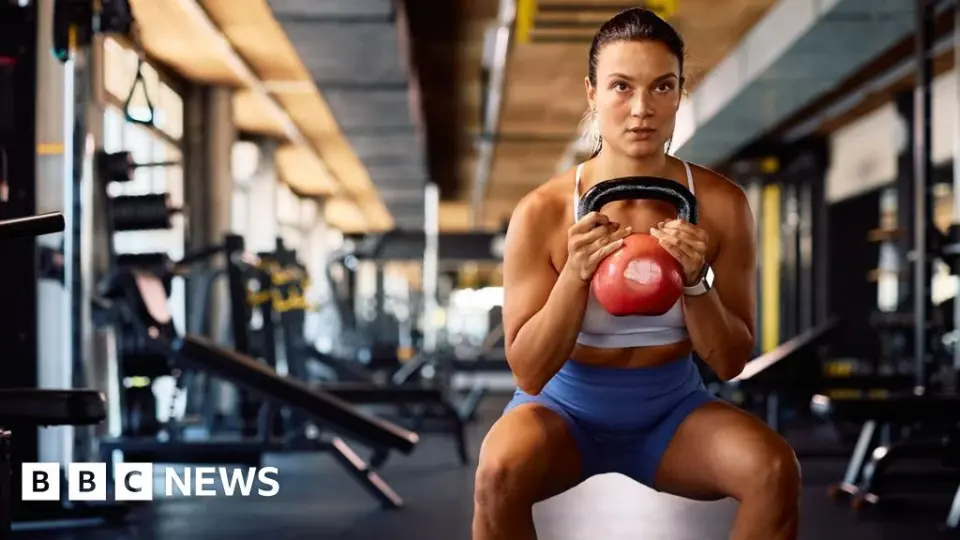
The popularity of 'cycle-syncing' workouts, which prescribe specific exercises based on menstrual phases, has surged online, with Google searches rising 740% since 2022. However, experts caution that this approach lacks scientific backing and ignores individual variability. While some women report energy fluctuations, rigid plans may hinder progress or create negative psychological effects. Experts recommend 'cycle-awareness' instead, where individuals adjust training based on personal symptoms rather than universal rules.
Key points
- Google searches for 'cycle-syncing' increased by 740% since 2022, and over 55,000 TikTok videos use the hashtag, driven largely by fitness creators rather than medical experts.
- Typical cycle-syncing advice suggests gentle exercise during menstruation, increased intensity in the follicular phase, high-intensity training around ovulation, and reduced effort in the luteal phase.
- Kelly McNulty, a researcher at Leeds Beckett University, states there is no evidence supporting phase-based prescriptions, noting that cycles vary significantly between women and even within the same woman.
- Dr. Faye Bate warns that rigid advice can create a 'nocebo' effect, where negative expectations about strength or capability during certain phases actually impair performance.
- Experts emphasize that strength training is crucial for women to prevent osteoporosis, and consistently reducing training for half the month may limit progress.
- Instead of strict plans, experts recommend 'cycle-awareness,' where individuals track their own patterns and adjust workouts based on how they feel, rather than following universal rules.
Background
This story follows a broader trend of increased public interest in menstrual health data and personalized wellness. In July 2026, biohacker Bryan Johnson detailed a 100-day project using over 50 devices to collect 14 million data points on his partner's menstrual cycle, highlighting the growing intersection of technology and reproductive health. Additionally, recent coverage of midlife women's fitness routines underscores the ongoing shift toward tailored, sustainable exercise plans for women across different life stages.
Why it matters
The rise of cycle-syncing reflects a larger cultural shift toward personalized health, but it also highlights the risks of unverified social media advice. Misinformation can lead to suboptimal training, missed opportunities for strength development, and unnecessary anxiety about bodily functions. By promoting individualized 'cycle-awareness' over rigid prescriptions, experts aim to empower women to make informed decisions that support long-term health and fitness goals without falling into the trap of one-size-fits-all marketing.
What to watch
As the conversation around menstrual health continues to evolve, expect more scrutiny of wellness trends that lack scientific backing. Experts are likely to push for more research on individual variability in exercise responses across the menstrual cycle. Additionally, healthcare providers may increasingly advise patients to use cycle tracking as a tool for self-awareness rather than a strict regimen, focusing on symptom management and consistent, progressive training.
Want the full story? Read the original reporting
Read on BBC