Tag

Exercise Science

All articles tagged with #exercise science

Body fat percentage links to bigger smartwatch calorie-estimation errors
technology17 days ago

Body fat percentage links to bigger smartwatch calorie-estimation errors

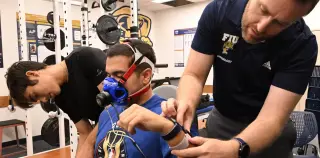
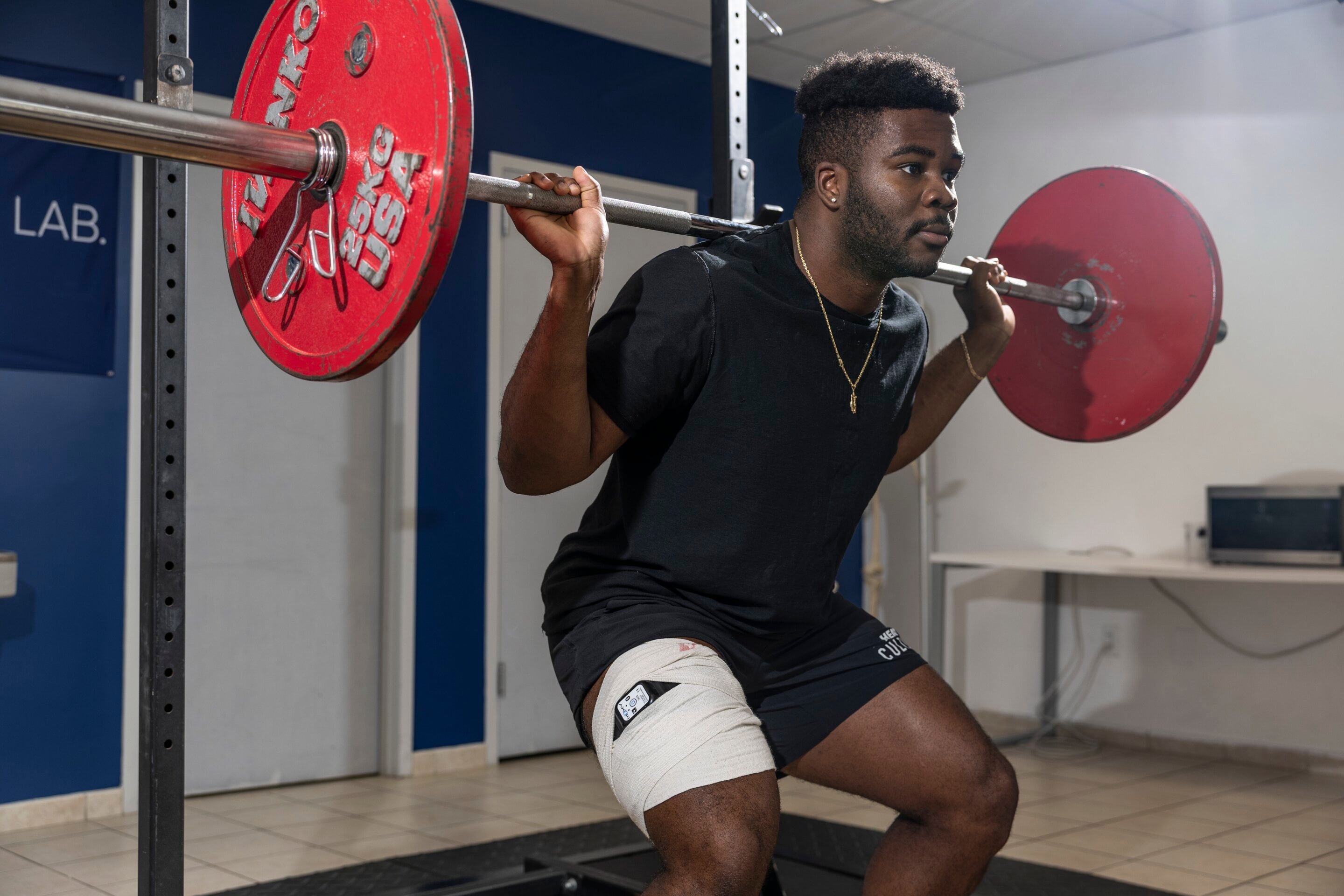
A Florida International University study tested four popular smartwatches (Apple Watch Series 8, Garmin Forerunner 955, Samsung Galaxy Watch5, Fitbit Sense 2) against a metabolic analyzer during controlled cycling with 58 adults and found substantial calorie-estimation errors across all devices, increasing with higher body fat percentage (often 50–100% or more). Apple had the smallest systematic bias; Garmin and Samsung overestimated more; Fitbit produced several implausible readings. Skin tone did not significantly affect error. Practical takeaway: treat calorie counts as estimates and rely on trends, heart rate, and other metrics, as wearable accuracy is influenced by body composition and may improve over time.

VO2 Max: Use It as a Gauge, Not a Goal
health6 months ago

VO2 Max: Use It as a Gauge, Not a Goal

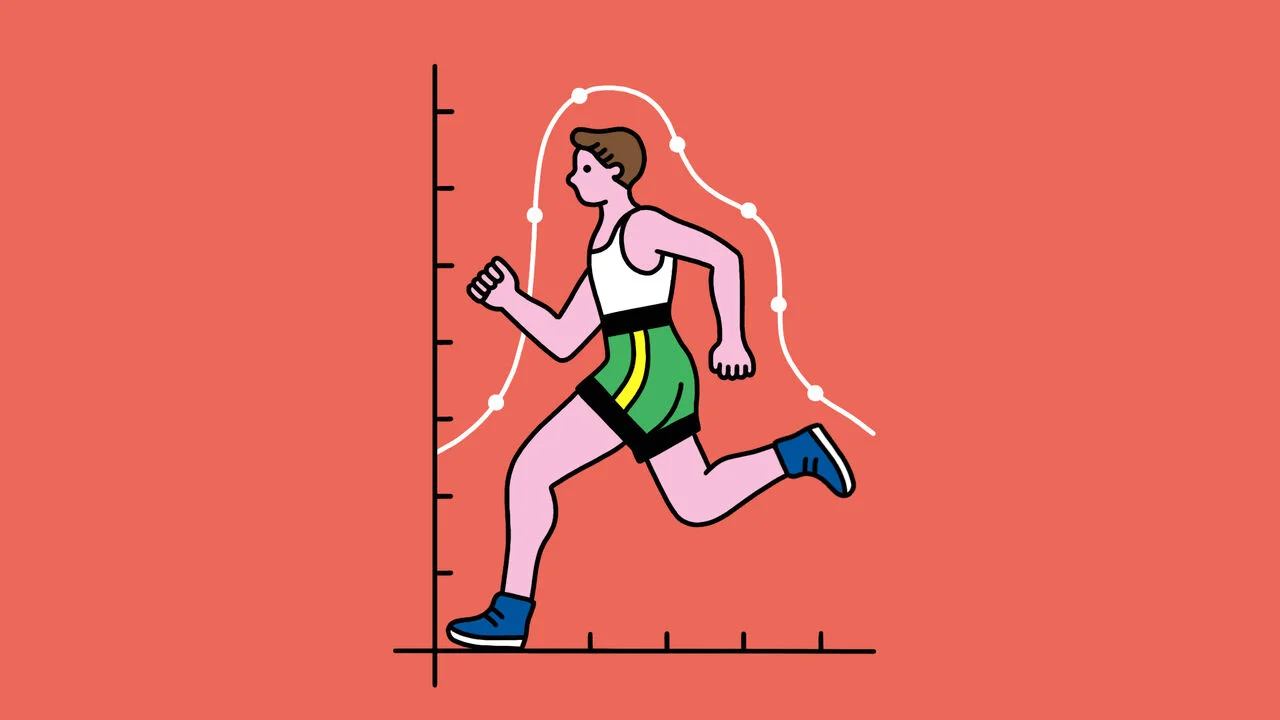
VO2 max measures the body’s maximum oxygen use during intense exercise and serves as a gauge of cardio-respiratory fitness. The piece notes a surge in influencer-led calls to track VO2 max, but argues it should be treated as a guide to training rather than a target: useful for shaping workouts and monitoring progress, yet not a single definitive health metric or goal, especially given variance in lab versus wearable measurements and the influence of many factors on performance.

Jumping for Stronger Bones: Plyometrics Boost Midlife Bone Health
health6 months ago

Jumping for Stronger Bones: Plyometrics Boost Midlife Bone Health

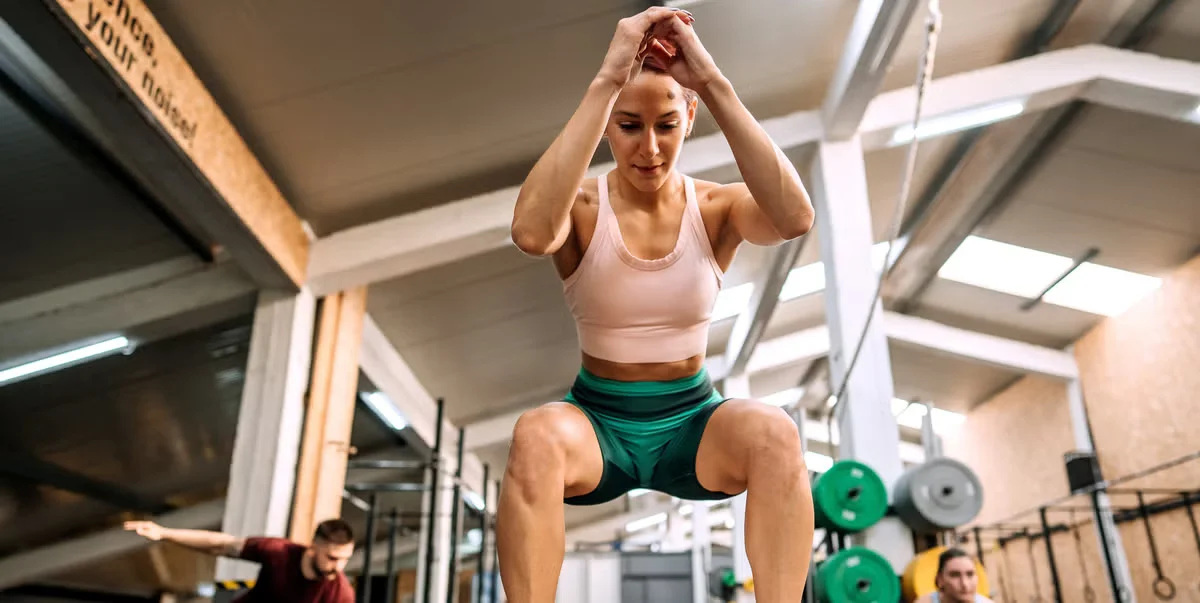
Evidence and a real-life case show that plyometrics—short, explosive, high‑impact moves—can strengthen bones and reduce fracture risk in midlife women, especially the hips and spine, when paired with traditional strength training. Start with low‑risk prep (calf raises, two‑foot hops), progress gradually (staggered stances, unilateral moves), include upper‑body work, and allow 48 hours for recovery; consult a clinician for safety and pelvic‑floor considerations, as proper progression and form are crucial to safely reap bone‑health benefits.

science9 months ago

Resistance Training Load Not Key to Muscle Growth

A study suggests that resistance training load does not significantly influence hypertrophy, emphasizing individual genetic differences and the importance of training effort over specific load or rep ranges. The discussion highlights that consistent effort, proper technique, and overall lifestyle factors like diet and sleep are more crucial for muscle growth than the exact training protocol.

Debunking the Myth of 36 Hours of Fat Burning and Sprinting
health-and-fitness9 months ago

Debunking the Myth of 36 Hours of Fat Burning and Sprinting

High-intensity sprinting can boost metabolism and fat burn for up to 36 hours through a process called EPOC, which increases resting energy expenditure after strenuous activity. While effective, sprinting should be part of a balanced regimen and performed gradually to avoid injury, as it stimulates hormonal and metabolic responses that aid in fat loss and insulin sensitivity, but it is not a quick fix for weight loss.

Does Fasted Exercise Boost Fat Loss? Scientific Insights
health-and-fitness1 year ago

Does Fasted Exercise Boost Fat Loss? Scientific Insights

Research shows that fasted workouts do not lead to greater long-term fat loss or muscle gains compared to fed workouts, and short-term fat burning during exercise does not necessarily translate into overall fat loss. The decision to exercise fasted or not should depend on personal preference and how it affects your performance and well-being, rather than on unsupported claims of superior fat burning.

Are Weighted Vests Worth the Hype for Fitness and Bone Health?
health-and-fitness1 year ago

Are Weighted Vests Worth the Hype for Fitness and Bone Health?

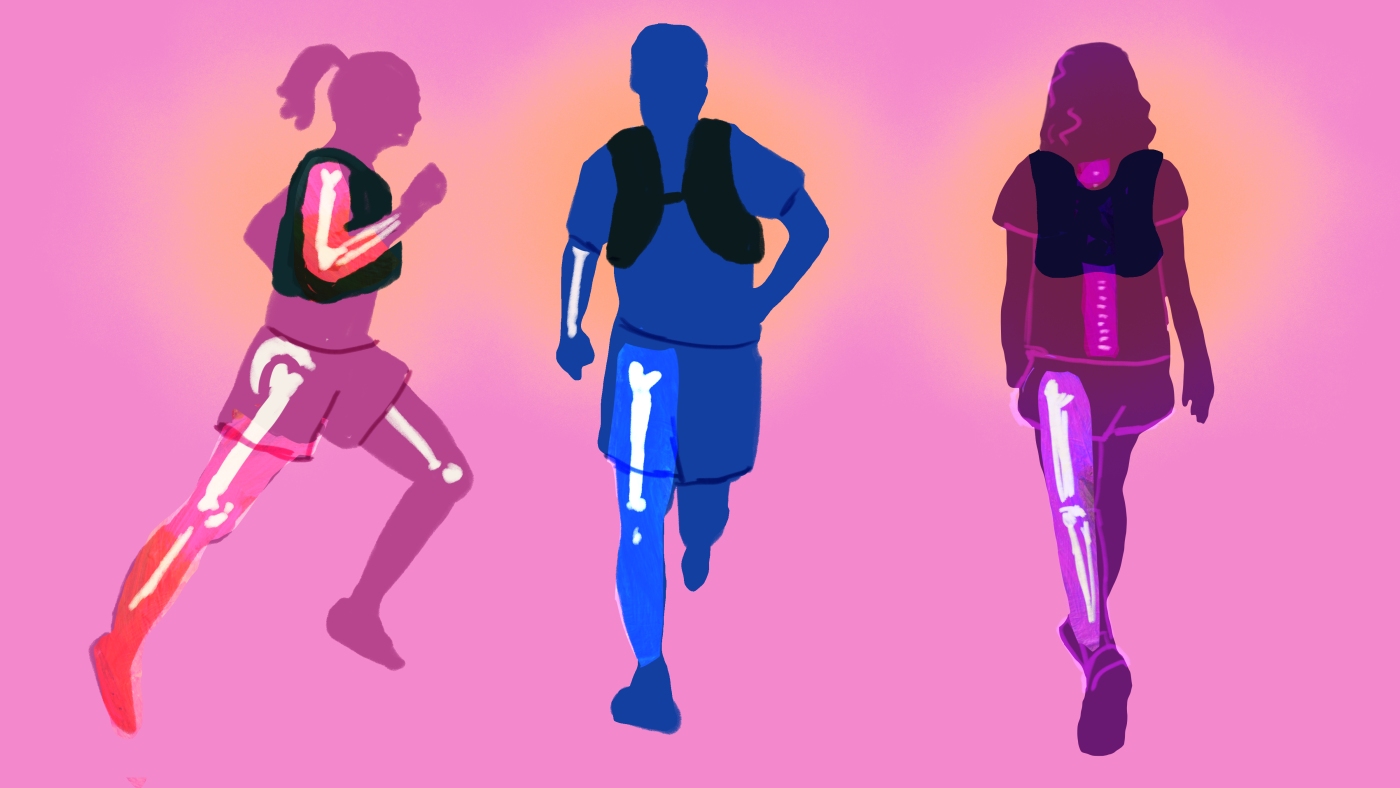
While weighted vests are popular and may boost cardiovascular activity, current research does not support their effectiveness in improving bone density or muscle strength, with traditional resistance exercises being more proven. They may serve as a motivational tool for physical activity, especially for older adults, but should not replace evidence-based strength training methods.

Japanese Walking Trend Gains Popularity for Health Benefits
health-and-fitness1 year ago

Japanese Walking Trend Gains Popularity for Health Benefits

The viral 'Japanese walking' trend involves alternating brisk and slow walking in three-minute intervals, promising health benefits similar to a 10,000-step walk. While inspired by a 2007 study and popularized by TikTok influencer Eugene Teo, experts caution that the scientific evidence is limited and the routine may be challenging to follow for some. Nonetheless, short bursts of vigorous activity like this can be beneficial, but viewers should consult healthcare professionals before adopting new exercise routines.

Train Smarter, Not Longer, to Build Muscle and Strength
health-and-fitness1 year ago

Train Smarter, Not Longer, to Build Muscle and Strength

Research from Florida Atlantic University suggests that for building muscle and strength, training smarter with fewer sets—around 1-2 high-intensity sets per session—is more effective than longer workouts, as benefits plateau beyond certain volume thresholds. The study emphasizes the importance of training intensity and frequency over sheer volume, advocating for personalized, efficient workout plans that maximize results while minimizing fatigue and time commitment.

The Science Behind Cold Therapy: Benefits and Risks Explored
health-and-fitness1 year ago

The Science Behind Cold Therapy: Benefits and Risks Explored

A recent study suggests that taking ice baths immediately after strength training may hinder muscle growth by reducing blood flow and protein delivery to muscles, challenging the popular belief that cold plunges aid recovery and muscle gains. The research indicates that while ice baths might help with soreness for endurance athletes, they could be counterproductive for those aiming to build muscle, especially if taken right after workouts.

Just Three Seconds a Day to Build Muscle Effortlessly
health-and-fitness1 year ago

Just Three Seconds a Day to Build Muscle Effortlessly

A study from Edith Cowan University suggests that just three seconds of focused muscle contraction daily, especially eccentric movements, can significantly increase strength without traditional lengthy workouts, highlighting the potential for ultra-efficient training routines, though muscle size may not increase in the short term.