
Science Debunks Recovery Hype: Sleep and Food Beat Ice Baths and Supplements
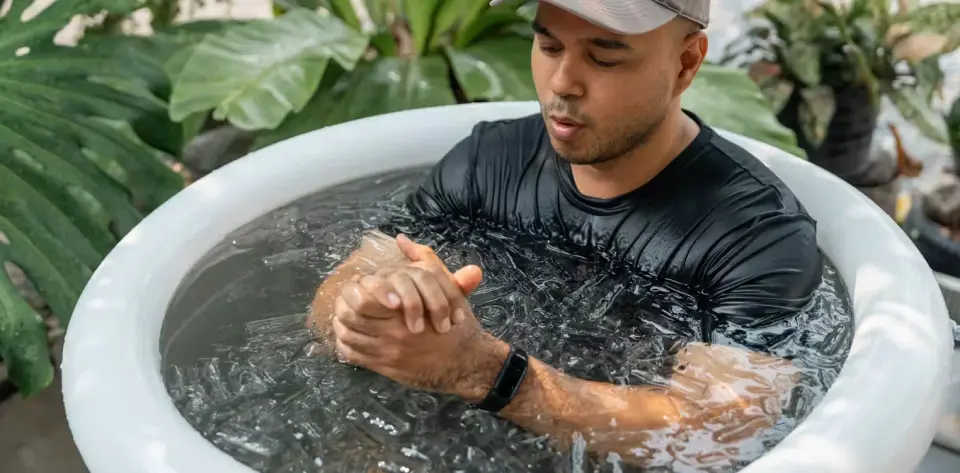
Recent analysis indicates that popular post-workout recovery methods like ice baths, compression gear, and supplements often provide minimal physiological benefits or may even hinder long-term muscle growth. While these treatments can reduce perceived soreness, they rarely restore actual muscle function. Experts emphasize that sleep, proper nutrition, and structured training remain the most effective strategies for recovery.
Key points
- Ice baths reduce inflammation and soreness but may suppress muscle growth pathways like mTOR and satellite cell activation, particularly when used immediately after strength training.
- Compression garments improve circulation and blood flow, but evidence suggests they do not significantly restore muscle function; their benefits may be largely perceptual.
- Massage reduces soreness and improves perceived recovery, yet objective performance gains are modest and inconsistent.
- Supplements like BCAAs are less effective than whole protein sources, while tart cherry juice and beetroot juice show small benefits for reducing soreness and improving strength recovery.
- The strongest evidence for recovery comes from basics: 7-9 hours of sleep, 20-40g of post-exercise protein, adequate carbohydrates, and a well-structured training plan with rest days.
Background
This topic follows earlier discussions on the gap between wellness hype and scientific reality, such as the debate over AI singularity claims and the validation of simple walking tweaks for heart health. It also contrasts with severe cases of exercise-related injury, such as the collapse of ASU hockey player Matthew Mayich, highlighting the importance of proper recovery and training protocols.
How outlets are covering it
The Conversation and National Geographic agree that ice baths and compression gear have limited utility for actual muscle repair, though National Geographic adds that cold immersion may blunt long-term muscle growth by suppressing key pathways. National Geographic also highlights that stretching improves flexibility but not recovery, and that high-tech treatments like hyperbaric oxygen therapy lack evidence for reducing soreness in healthy individuals. Club Solutions Magazine, while largely obscured by ad code, aligns with the consensus that fundamentals outweigh tech-driven recovery methods. All sources emphasize that feeling less sore is not the same as physiological recovery.
Why it matters
Understanding the difference between perceived relief and actual physiological recovery helps consumers avoid wasting money on ineffective products and potentially undermining their training progress. Prioritizing evidence-based basics like sleep and nutrition can lead to better long-term health outcomes and performance.
What to watch
Researchers may continue to explore the specific mechanisms behind massage and emerging supplements like curcumin and tart cherry juice. There may be further studies on the timing of cold exposure to minimize its negative impact on muscle growth. Public awareness is likely to shift toward prioritizing sleep and nutrition over trendy recovery gadgets.
- The workout recovery techniques backed by science – and the ones that are just hype The Conversation
- Most Post-Workout Recovery Hacks Don’t Work. Here’s What Does. nationalgeographic.com
- Don't Confuse the Icing with the Cake: The Latest Science on Recovery Tech vs. Fundamentals Club Solutions Magazine
Want the full story? Read the original reporting
Read on The Conversation