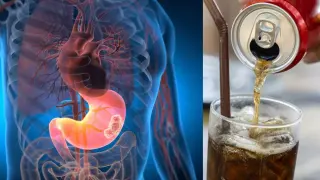
A large US study finds that drinking at least one sugar-sweetened beverage daily is associated with a 2.45-fold higher risk of stomach cancer. While the absolute risk remains low, experts note that observational data cannot prove causation, and the link may be driven by fructose or obesity.
While US protein consumption generally meets baseline needs, experts emphasize that the nutritional context of protein sources matters more than total grams. Recent federal guidelines suggest higher intake for older adults, but clinicians warn that animal protein may carry metabolic risks, whereas plant sources offer fiber benefits without the same diabetes associations.
A new study from Virginia Tech reveals that ultra-processed foods trigger significantly higher insulin responses than minimally processed foods, even when nutritional profiles are identical. Researchers found that the degree of food processing, not just macronutrient content, influences metabolic outcomes and brain reward signals.
A new study published in The American Journal of Clinical Nutrition suggests that strictly adhering to a healthy Nordic diet could reduce the risk of dying from any cause by 6% over 24 years. Researchers at Aarhus University analyzed data from over 64,000 adults in Sweden to simulate long-term dietary outcomes. The findings support previous evidence linking this diet to lower risks of cardiovascular and cancer mortality, particularly for older adults with hypertension or diabetes.
Walter Willett, the world's most-cited nutrition scientist, advocates for a Mediterranean-style diet rich in plants, whole grains, and healthy fats to reduce the risk of heart disease and cancer. At 81, Willett's research has fundamentally shifted American dietary guidelines away from low-fat approaches, emphasizing the quality of fats and carbohydrates instead. His work also contributed to the removal of trans fats from the food supply. The Washington Post profiled his daily eating habits, highlighting how his personal diet aligns with his decades of research on lifestyle choices that shape chronic illness risks.
Recent coverage highlights the complexity of maintaining a healthy gut microbiome, emphasizing that rapid dietary changes, such as the 'fibermaxxing' trend, can cause digestive distress. While whole foods like beans and Greek yogurt are recommended for their fiber and probiotic content, experts caution that the gut requires gradual adaptation to new fiber levels. Research indicates that a stable microbiome is crucial for immune function and disease prevention, with early-life exposures playing a significant role in long-term health outcomes.
A new study suggests that a natural compound called oxalate, found in common plant-based foods, may contribute to gut inflammation in people with inflammatory bowel disease (IBD). Researchers found that IBD patients excrete more oxalate than healthy individuals despite similar diets, indicating a defect in how their guts process the compound. This impaired processing appears to trigger immune responses that worsen inflammation, offering a new dietary and therapeutic angle for managing conditions like Crohn's disease and ulcerative colitis.
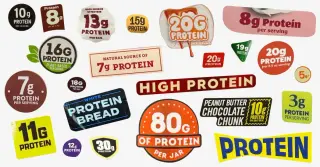
The U.S. food industry has aggressively expanded protein-infused products, driven by new federal dietary guidelines that increased recommended intake by over 50%. While consumer spending on protein-labeled items reached $90 billion last year, experts warn that adding protein to processed snacks offers no health benefits and may pose risks.
A four-week trial at the University of Sydney found that shifting to an omnivorous, high-carbohydrate, low-fat diet reduced biological age in adults aged 65–75. This aligns with a larger German study showing that various healthy dietary patterns, rather than a single 'perfect' diet, are linked to slower aging through shared biological pathways.
Recent coverage highlights the complexity of defining 'processed' food, with experts urging consumers to focus on specific nutritional markers like added sugars and sodium rather than processing status alone. While ultra-processed foods (UPFs) dominate the U.S. diet, research suggests their health risks stem from hyper-palatability and nutrient gaps rather than processing itself. Conversely, minimally processed foods carry distinct food safety risks, such as microbial contamination, illustrating that processing is a technology with trade-offs rather than an inherent toxin.
The Washington Post reports that the widespread belief that the body can only utilize 30 grams of protein per meal is a myth. Recent scientific studies indicate that the body can metabolize significantly more protein in a single sitting, challenging conventional dietary advice. While experts still recommend distributing protein intake throughout the day for optimal muscle synthesis, the strict upper limit previously cited is not supported by current evidence.
A large French study published in Communications Medicine indicates that inconsistent meal timing between weekdays and weekends, termed 'eating jet lag,' significantly increases cardiovascular disease risk in men. The research, tracking over 100,000 participants from 2009 to 2023, found that each additional hour of schedule shift raised heart disease risk by 14% and coronary heart disease risk by 21%. This effect was observed only in men, not women, potentially due to hormonal and anatomical differences in circadian regulation. While experts note that aligning meals with biological clocks supports metabolic health, they caution that current evidence is mixed and does not prescribe a single ideal eating window for all individuals.
Recent analysis indicates that popular post-workout recovery methods like ice baths, compression gear, and supplements often provide minimal physiological benefits or may even hinder long-term muscle growth. While these treatments can reduce perceived soreness, they rarely restore actual muscle function. Experts emphasize that sleep, proper nutrition, and structured training remain the most effective strategies for recovery.
Researchers at Karolinska Institutet have identified a new mechanism by which vegetables benefit health: gut bacteria convert dietary nitrate and plant-based iron into dinitrosyl iron complexes (DNICs). Published in Cell, the study shows these molecules travel to organs like the liver and kidneys, where they improve cardiovascular and metabolic markers in animal models. While the findings explain part of why vegetable-rich diets reduce disease risk, human trials are needed to confirm the pathway's relevance in people.
While protein is essential for muscle repair and overall health, recent marketing trends and policy shifts have created a 'proteinmaxxing' culture that often overstates the benefits of simply increasing intake. Experts emphasize that without resistance training, extra protein does not build muscle. Furthermore, while the U.S. government recently raised recommended dietary allowances, most Americans already meet these needs, and excessive focus on protein supplements may displace nutrient-dense whole foods.