
Bioengineered Gum Targets HPV and Oral Bacteria in Head and Neck Cancer Trials
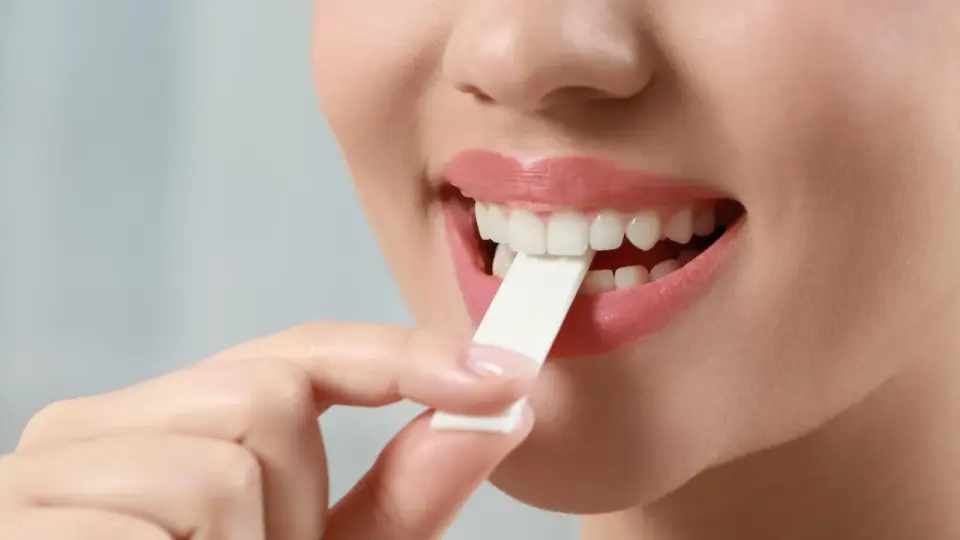
Researchers at the University of Pennsylvania developed a bioengineered chewing gum that reduces HPV levels by 93% and nearly eliminates harmful bacteria linked to head and neck cancer. The treatment preserves beneficial oral bacteria, offering a potential low-cost adjunct therapy.
Key points
- A team led by Henry Daniell at the University of Pennsylvania created a chewing gum based on lablab beans to target microbes associated with head and neck squamous cell carcinoma (HNSCC).
- Tests on oral samples from HNSCC patients showed the gum’s extract reduced human papillomavirus (HPV) levels by 93% in saliva and 80% in oral rinse samples.
- The gum was engineered to contain protegrin, an antimicrobial peptide that reduced levels of Porphyromonas gingivalis and Fusobacterium nucleatum to near zero with a single dose.
- Unlike radiation therapy, which can disrupt the oral microbiome and encourage yeast growth, this treatment preserved beneficial bacteria in the mouth.
- The findings, published in Scientific Reports, suggest the gum could serve as an adjuvant to current treatments or as a preventive measure against infection and transmission.
Background
Head and neck cancers, particularly those linked to HPV, have seen rising incidence rates, yet recent drug approvals have not significantly improved five-year survival or quality of life. This research builds on earlier studies of bean gum containing the antiviral protein FRIL. While previous archive items highlighted the importance of HPV screening and the impact of HPV-linked cancers on public figures, this study introduces a novel, non-invasive delivery method for antimicrobial agents directly to the oral cavity. The approach aims to address the aggressive nature of HNSCC and the poor outcomes associated with late-stage detection by targeting the specific microbial environment that worsens survival rates.
Why it matters
This development offers a potentially affordable and accessible method to combat microbes that exacerbate head and neck cancer outcomes. By preserving the healthy oral microbiome while eliminating harmful pathogens, the gum could reduce the side effects associated with traditional treatments like radiation. If successful in clinical trials, it could serve as a preventive tool to stop HPV transmission and an adjuvant therapy to improve patient survival rates, addressing a significant gap in current cancer care.
What to watch
The research team plans to advance these therapies to clinical trials to evaluate their efficacy as adjuvants with current cancer treatments or as prophylaxis to prevent infection and transmission. Further studies will determine the optimal dosing and long-term effects on the oral microbiome in a broader patient population.
Want the full story? Read the original reporting
Read on ScienceDaily