health-and-medicine8.06 min read
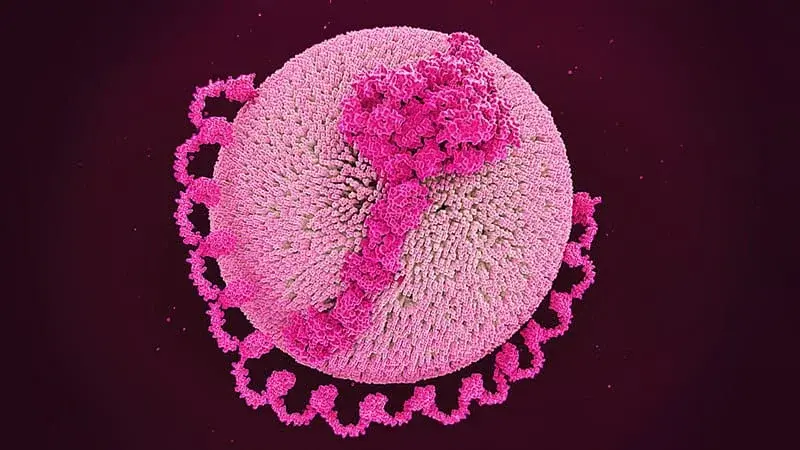
Lp(a) Hypthesis Survives HORIZON Trial Failure as Pipeline Drugs Show Stronger Reductions
3 days ago•Source: Medscape

The latest health and medicine stories, each synthesized from multiple sources with added background and context.
A new study published in the New England Journal of Medicine confirms that optogenetic gene therapy can safely restore partial vision in people with advanced retinitis pigmentosa. In a trial of 10 participants, six showed clinically meaningful improvements in light sensitivity, and some regained the ability to detect objects and navigate simple tasks using custom goggles. The therapy, which leverages Nobel Prize-winning technology, involves a single injection to make surviving ganglion cells light-sensitive. While results are limited to monochrome perception and do not yet restore facial recognition, researchers aim to achieve high-resolution vision within five to 10 years.
News-Medical•7 days ago
sciencedaily.com•12 days ago
A University of Florida study published in Nature Metabolism finds that glucosamine use is associated with a 25% higher risk of mild cognitive impairment progressing to dementia. While lab tests suggest the supplement may worsen abnormal sugar-tagging in the brain, researchers emphasize that observational data cannot prove causality and that clinical trials are required.

A post hoc analysis of the CENTURY trial reveals that women exhibit higher coronary blood flow and capacity than men despite similar risk factors. This physiological difference may explain why women experience fewer coronary events and present with coronary artery disease later in life.

Researchers at the University of Missouri have identified a breakdown in communication between nerves and muscles as a primary cause of age-related muscle weakness, or sarcopenia. By targeting a specific protein, they successfully improved muscle strength in animal models, offering a potential new treatment pathway.
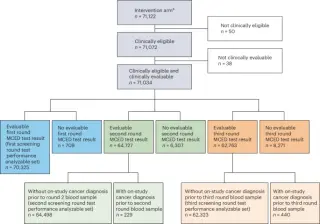
The NHS-Galleri trial, involving 142,250 participants, found that a multi-cancer early detection blood test did not significantly reduce late-stage cancer diagnoses overall, though it detected about 30% of cancers and had a high specificity.

Baylor College of Medicine scientists have developed an experimental drug called CS18 that targets a central biological regulator to overcome cancer treatment resistance. By inhibiting the TopBP1 protein, CS18 weakens multiple survival pathways in tumor cells, restoring their sensitivity to existing therapies like osimertinib and PARP inhibitors. Early tests in animal models showed reduced tumor growth with minimal toxicity, suggesting potential for future combination treatments.

Researchers at the Centre for Addiction and Mental Health (CAMH) have identified damage to dopamine-releasing neurons as a potential cause of persistent fatigue, brain fog, and memory issues in long COVID patients. Published in eBioMedicine, the study uses positron emission tomography (PET) scans to show reduced dopamine markers in the striatum, correlating specific brain regions with distinct symptoms like low motivation and slowed movement. This finding builds on earlier evidence of brain inflammation and suggests that repurposing dopamine-augmenting medications could offer new treatment options. A clinical trial targeting dopamine function is planned for the coming months to test these therapeutic approaches.

A large review of 69 randomized trials including about 153,902 adults found that calcium and vitamin D supplements, alone or together, provide little to no protection against fractures or falls for most older people, suggesting routine supplementation should be reconsidered in favor of exercise-based fall prevention such as balance and resistance training.
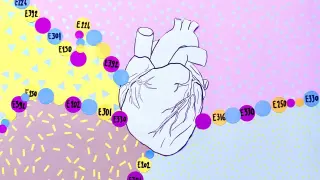
A NutriNet-Santé study of about 112,000 French adults followed for 7–8 years found that higher intake of eight common food preservatives was associated with increased risks of hypertension and cardiovascular disease, with non-antioxidant preservatives showing the strongest links; the findings are observational, and experts call for reevaluation of additive safety and a shift toward minimally processed foods.

A kimchi-derived lactic acid bacterium, Leuconosteroides mesenteroides CBA3656, binds nanoplastics in gut-like conditions and maintains substantial adsorption under simulated intestinal conditions, leading to a >2× increase in fecal nanoplastics in germ-free mice and suggesting a potential microbial approach to reduce nanoplastic accumulation by promoting excretion.
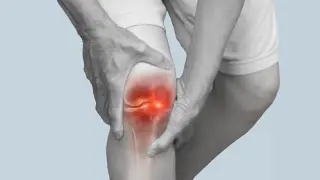
A network meta-analysis of 139 trials involving nearly 10,000 participants finds that non-drug treatments—especially knee braces, water-based therapy, and regular exercise—offer strong relief for knee osteoarthritis and can improve pain, stiffness, and function, outperforming many high-tech options like ultrasound. While simple therapies appear most effective and may be safer and cheaper, study designs varied and more research is needed to confirm the best combinations and cost-benefit.