Tag

Health And Medicine

All articles tagged with #health and medicine

When you eat matters: early breakfast plus longer overnight fasting linked to lower BMI
health-and-medicine1 hour ago

When you eat matters: early breakfast plus longer overnight fasting linked to lower BMI

A large cohort study from ISGlobal with over 7,000 adults found that extending the overnight fast and starting the day with an early breakfast are linked to lower BMI years later, likely because earlier eating aligns with circadian rhythms and improves calorie burning and appetite regulation. Skipping breakfast as part of intermittent fasting did not reduce weight and may reflect unhealthy lifestyle patterns. Gender differences and lifestyle patterns emerged, and researchers caution that findings are observational and not yet definitive.

Rethinking Alzheimer’s: A multi-target battle plan
health-and-medicine9 hours ago

Rethinking Alzheimer’s: A multi-target battle plan

Alzheimer’s is viewed as a complex system driven by amyloid-beta and tau, aging, and systemic health; single-target drugs have limited impact, so researchers are pushing integrated, multi-pronged therapies—combining approaches like gene editing, senolytics, metabolic interventions, and gut-brain axis strategies—guided by early biomarkers and advanced models to slow, halt, or prevent disease progression.

AI-Driven Stool Test Detects 90% of Colorectal Cancers, Offering Non-Invasive Screening
health-and-medicine1 day ago

AI-Driven Stool Test Detects 90% of Colorectal Cancers, Offering Non-Invasive Screening

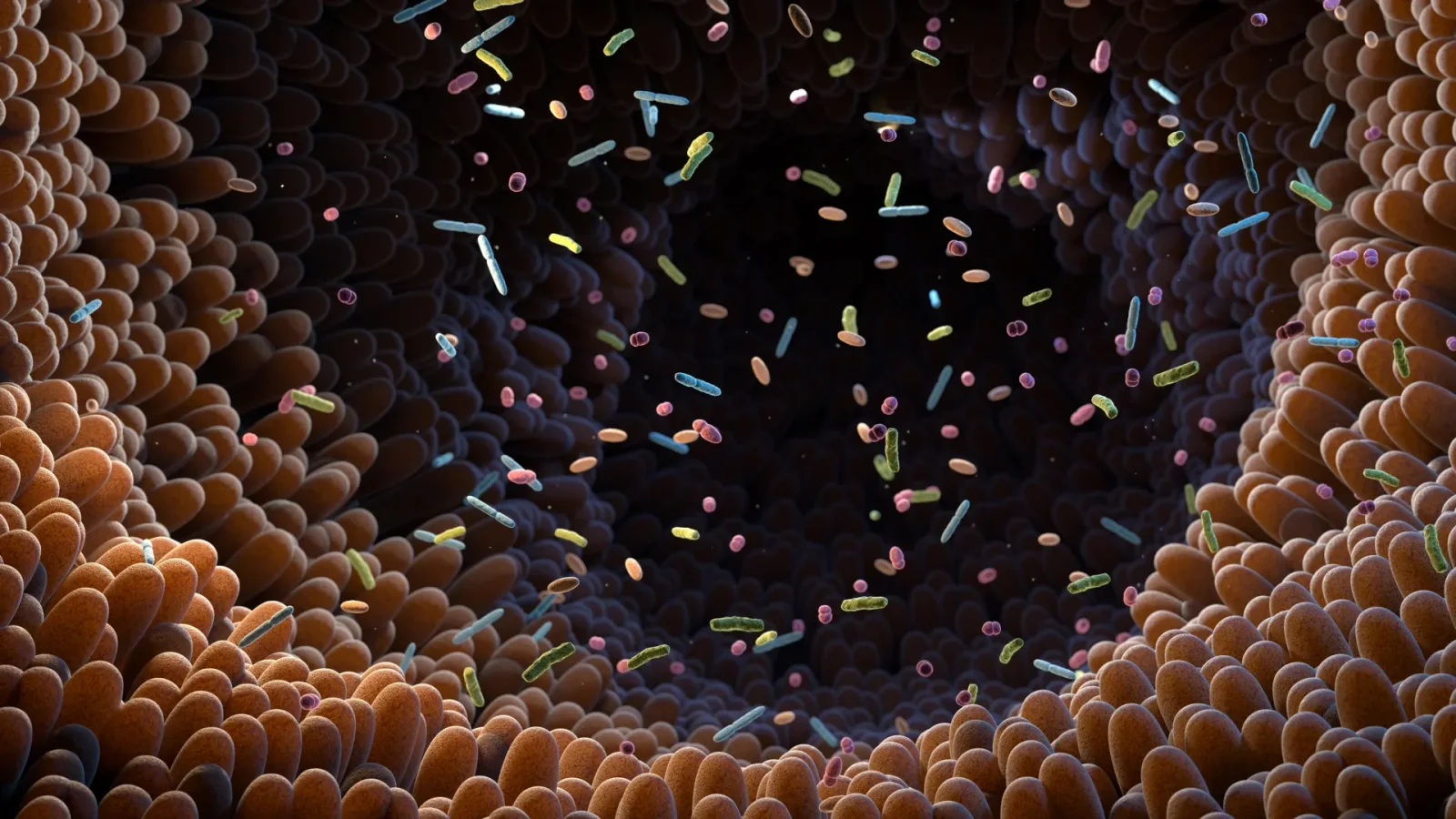
Researchers at the University of Geneva used artificial intelligence to map gut microbiota subspecies and develop a stool-based test that identified about 90% of colorectal cancers, approaching colonoscopy’s 94% detection rate. If validated in ongoing trials, this non-invasive method could replace routine screening with colonoscopies reserved for positives, while expanding screening accessibility.

Hidden gut sugars linked to ALS and dementia, opening new therapy paths
health-and-medicine2 days ago

Hidden gut sugars linked to ALS and dementia, opening new therapy paths

New research shows harmful sugars produced by gut bacteria trigger immune responses that damage brain cells in ALS and frontotemporal dementia; elevated levels were found in a majority of patients studied, and experiments reducing these sugars improved brain health and lifespan, pointing to gut-targeted therapies and biomarkers to slow disease progression—especially in carriers of the C9orf72 mutation.

Everyday spices team up to dramatically boost anti-inflammatory power in cells
health-and-medicine2 days ago

Everyday spices team up to dramatically boost anti-inflammatory power in cells

Tokyo University of Science researchers found that combining common plant compounds (menthol, 1,8-cineole, capsaicin, and others) dramatically enhances anti-inflammatory effects in immune cells, amplifying activity hundreds of times by engaging multiple signaling pathways. This suggests everyday foods and potential functional products could better modulate chronic inflammation, though human studies are still needed.

health-and-medicine2 days ago

Therapists Urged to Screen for AI Chatbot Use as Mental Health Tool

A JAMA Psychiatry paper urges clinicians to routinely ask patients whether they use AI chatbots for emotional support or health information, arguing that such use can reveal how people cope with anxiety, depression, or relationship stress—and whether chatbots supplement or substitute therapy. Experts caution that AI tools are not therapy and may encourage avoidance of difficult conversations. The World Health Organization is forming a global consortium to guide responsible AI use in health, underscoring governance needs as AI tools proliferate.

Cholesterol drug cuts first cardiovascular events by 31% in diabetics without artery disease
health-and-medicine11 days ago

Cholesterol drug cuts first cardiovascular events by 31% in diabetics without artery disease

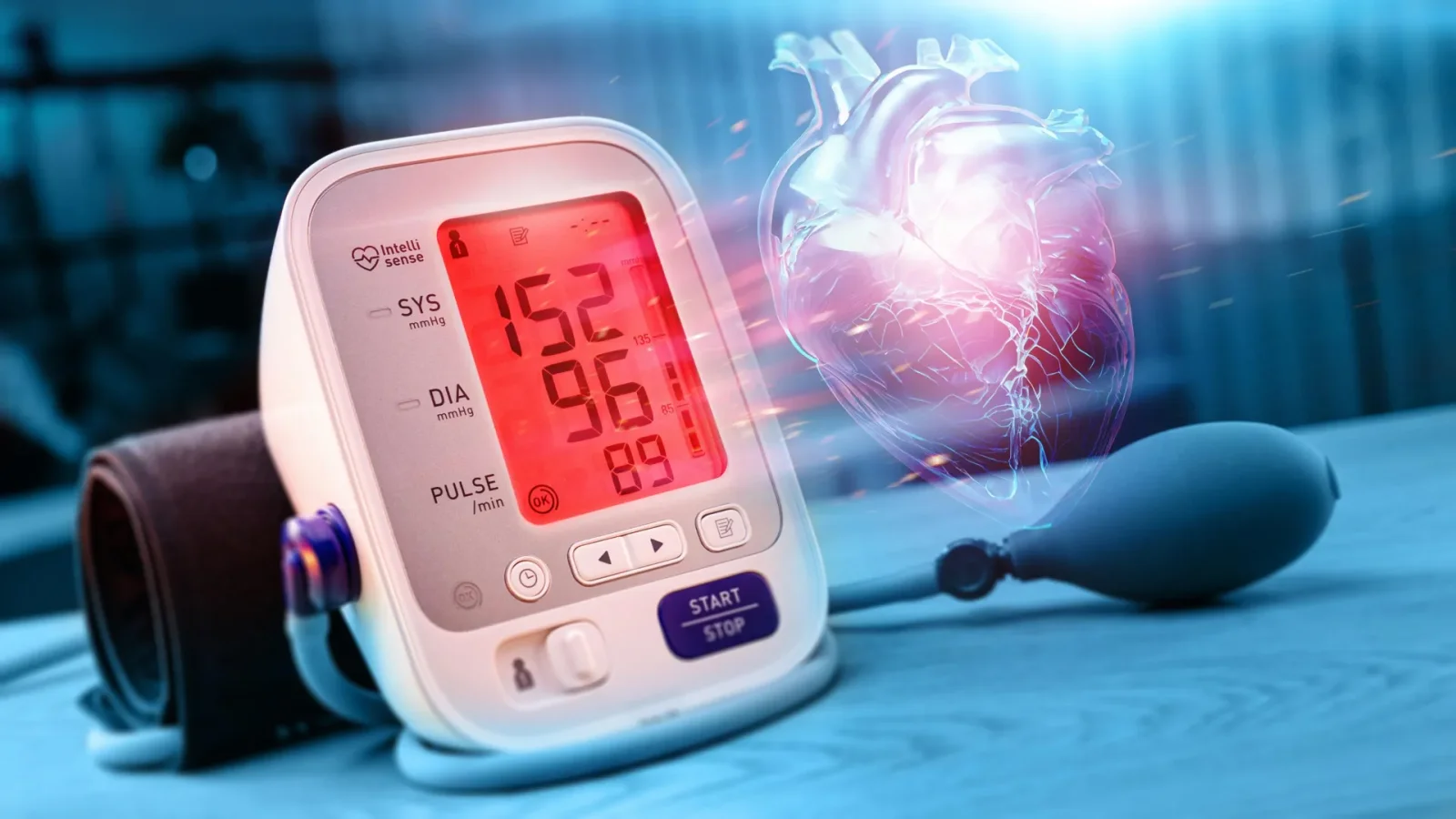
A Mass General Brigham study finds the PCSK9 inhibitor evolocumab, added to standard therapy, reduces the risk of a first major cardiovascular event by 31% over ~5 years in high‑risk diabetics without diagnosed atherosclerosis, with about a 51% drop in LDL‑C. Safety was similar to placebo, suggesting earlier intensive cholesterol lowering may prevent heart attacks and strokes in patients without established artery disease; results were presented at the ACC and published in JAMA.

New Monocyte State Tied to Long COVID Fatigue and Breathing Issues
health-and-medicine12 days ago

New Monocyte State Tied to Long COVID Fatigue and Breathing Issues

A single-cell multiomics study of Long COVID patients found a distinct molecular state in CD14+ monocytes (LC-Mo), especially common in those who had mild-to-moderate initial infection. LC-Mo correlates with fatigue and respiratory symptoms and is linked to elevated cytokine levels, offering a new lead for personalized treatment and deeper understanding of Long COVID.

New cholesterol guidelines push earlier, personalized heart-disease prevention
health-and-medicine13 days ago

New cholesterol guidelines push earlier, personalized heart-disease prevention

The 2026 ACC/AHA dyslipidemia guidelines call for earlier, more personalized cholesterol screening (even in children for familial hypercholesterolemia), broader risk assessment including genetic factors like Lp(a), and introduce a new PREVENT calculator to estimate 10- and 30-year cardiovascular risk, with expanded treatment options and lower LDL targets to prevent heart disease decades down the line.

Erythritol Shown in Lab to Impair Brain Vessels, Potentially Elevating Stroke Risk
health-and-medicine13 days ago

Erythritol Shown in Lab to Impair Brain Vessels, Potentially Elevating Stroke Risk

New lab findings from the University of Colorado Boulder suggest erythritol, a widely used sugar substitute, may impair brain microvascular endothelial cells by lowering nitric oxide, raising vasoconstrictors, reducing clot-busting t-PA, and boosting reactive oxygen species, potentially increasing stroke risk at typical intake; the work is cellular and not yet proven in people, though epidemiological data have linked higher erythritol levels with heart attack or stroke, so monitoring intake and checking labels is advised.

Americans largely unaware of processed meat's link to colon cancer, poll finds
health-and-medicine17 days ago

Americans largely unaware of processed meat's link to colon cancer, poll finds

Nearly half of Americans don’t know processed meat raises colorectal cancer risk; after learning, about two-thirds support warning labels. Awareness among healthcare providers is low. A plant-based, high-fiber diet and healthy habits lower risk, with each 10 grams of daily fiber linked to up to 10% risk reduction; programs like Food for Life help people adopt these changes.

health-and-medicine17 days ago

Cooking at Home Weekly Linked to 30% Lower Dementia Risk in Seniors, Japanese Study Finds

A six-year study of 10,978 Japanese adults aged 65+ found that those who cooked at least one home-cooked meal per week had about a 30% lower risk of developing dementia, with up to a 70% reduction for participants with fewer cooking skills, suggesting cognitive stimulation from cooking may help protect against cognitive decline.

Blocking the brain death switch in Alzheimer's slows disease in mice
health-and-medicine19 days ago

Blocking the brain death switch in Alzheimer's slows disease in mice

Researchers at Heidelberg University and Shandong University identified a toxic interaction between NMDA receptors (NMDAR) and the TRPM4 channel that forms a 'death complex' driving neuron loss in an Alzheimer's mouse model. They used FP802 to disrupt this complex, slowing disease progression, preserving memory, reducing synaptic and mitochondrial damage, and lowering beta-amyloid buildup. This approach targets a downstream mechanism rather than amyloid, offering a potential new therapeutic path, though human trials are years away.