
Two neuron surface proteins may drive Parkinson's spread; blocking them slows disease in mice
TL;DR Summary
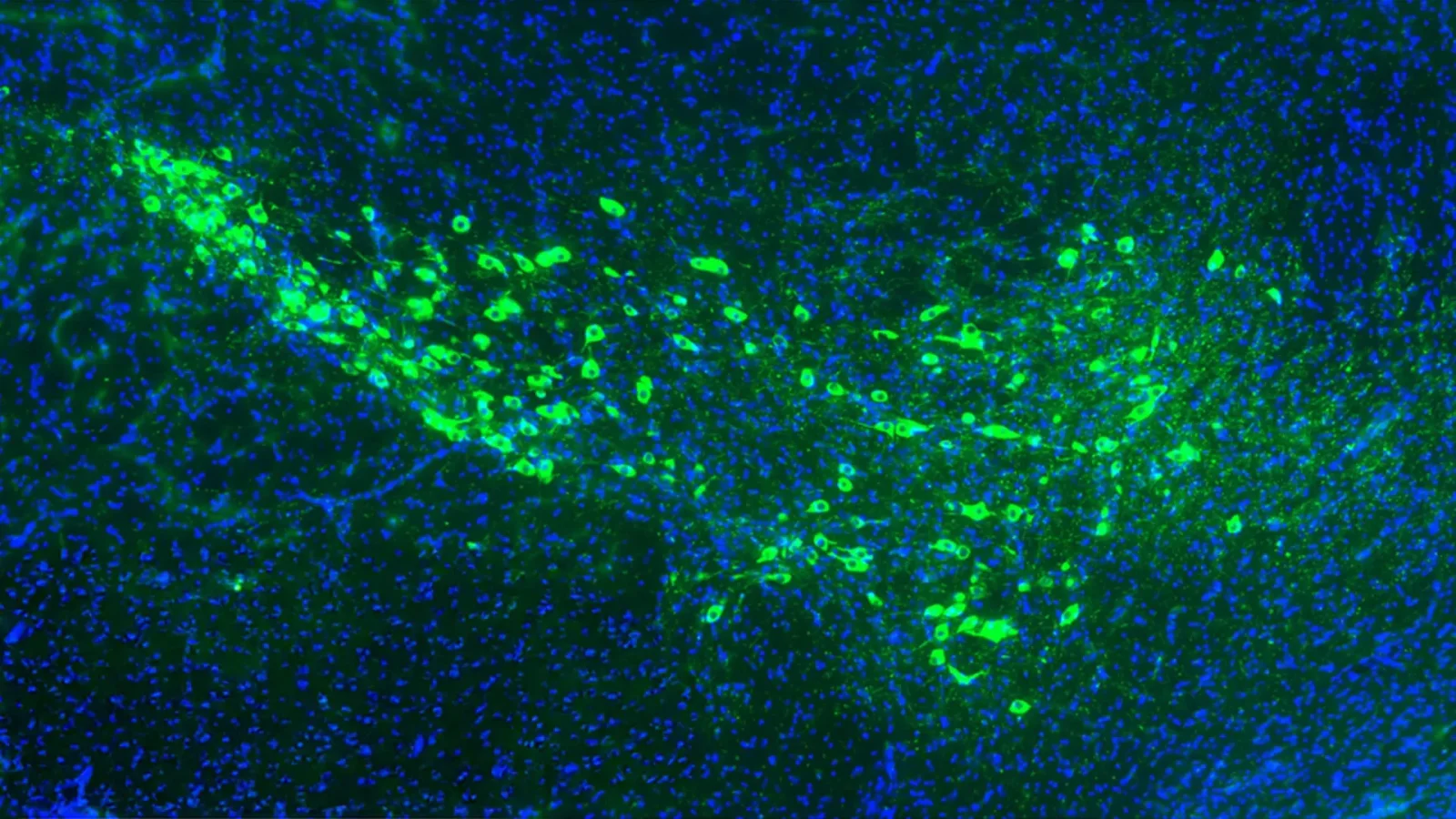
Yale researchers identified two neuron surface proteins, mGluR4 and NPDC1, that help misfolded α-synuclein enter healthy neurons and drive Parkinson's progression; genetically blocking either protein in mice reduced spread and symptoms, pointing to a new therapeutic target to slow the disease.
- Yale scientists may have found how Parkinson's disease spreads through the brain ScienceDaily
- Pinpointing how protein ‘peer pressure’ influences Parkinson’s disease Van Andel Institute
- Scientists Discover How Parkinson’s May Spread in Brain—and Way To Slow It Newsweek
- A Parkinson's-linked protein can spread from cell to cell, and Yale researchers found the two-protein complex that appears to help it get inside neurons and trigger damage ScienceBlog.com
- Diving deeper into Parkinson’s pathways: A Q&A with Postdoctoral Fellow Dr. Naman Vatsa Van Andel Institute
Reading Insights
Total Reads
1
Unique Readers
22
Time Saved
6 min
vs 7 min read
Condensed
97%
1,243 → 41 words
Want the full story? Read the original article
Read on ScienceDaily