A new Phase 2b trial in the US is testing obicetrapib, a cholesterol-lowering drug, for its potential to prevent Alzheimer's disease in asymptomatic individuals with early biomarkers. This follows observational data suggesting statins may reduce dementia risk by 15% in diabetic patients, though experts remain divided on whether cholesterol medications effectively treat brain pathology.
A new review in Ageing Research Reviews suggests that individuals with narcolepsy type 1 (NT1) do not exhibit the premature brain aging typically associated with chronic sleep disruption. Despite severe fragmentation of sleep-wake cycles, NT1 patients lack the biomarkers and neuroimaging signs of accelerated neurodegeneration seen in other sleep disorders. The authors propose that the loss of hypocretin (orexin) in NT1 may alter how the brain processes age-related stressors, potentially reducing the accumulation of beta-amyloid and tau proteins. This paradox suggests that the structure of wakefulness, rather than total sleep duration, may be a critical factor in neural resilience.
A new study published in npj Dementia reveals that aging dogs with Canine Cognitive Dysfunction (CCD) exhibit brain protein deposits in the same regions as humans with Alzheimer’s. This finding suggests dogs are a superior natural model for studying neurodegeneration compared to mice, potentially accelerating the development of diagnostics and treatments. Researchers identified elevated blood markers, specifically glial fibrillary acidic protein (GFAP), in dogs with high brain protein deposits, offering a potential biomarker for early detection in both species. While 99% of Alzheimer’s drugs fail in human trials after showing promise in mice, dogs naturally develop the misshapen proteins associated with dementia, providing a more accurate platform for testing therapies. The research highlights the value of companion dogs in understanding how environmental and genetic factors influence brain aging, with implications for earlier diagnosis and improved care for both pets and people.
A University of Florida study published in Nature Metabolism finds that glucosamine use is associated with a 25% higher risk of progression from mild cognitive impairment to dementia. The research suggests the supplement may disrupt glycosylation, a process where sugar chains attach to proteins, potentially interfering with nerve cell communication in brains already affected by Alzheimer's-like changes. While observational data cannot prove causality, the findings highlight a potential safety signal for individuals with existing cognitive issues.
Genentech has acquired exclusive global rights to Alector’s preclinical Parkinson’s candidate, AL050, in a deal worth up to $1.27 billion. The agreement includes a $100 million upfront payment and extends Alector’s cash runway to 2029.
A 12-year observational study of 1,647 adults finds that higher adherence to the MIND diet is associated with slower grey matter loss and reduced ventricular enlargement, equivalent to delaying brain aging by 2.5 years. While berries and poultry showed strong protective effects, whole grains unexpectedly correlated with faster decline, and cheese showed benefits despite being a MIND-restricted food.
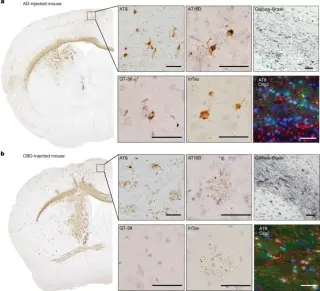
Researchers demonstrated that tau filaments from human Alzheimer’s and corticobasal degeneration brains can seed the formation of identical structures in mouse brains. This confirms that distinct tau folds act as prion-like strains, retaining their structural identity during transmission and driving disease-specific pathology.
A new study in Nature Metabolism finds that glucosamine, a widely used joint supplement, is associated with a 25% higher risk of progression from mild cognitive impairment to dementia. Researchers at the University of Florida suggest the supplement may exacerbate abnormal sugar-tagging processes in the brain, though causality remains unproven.
A new study from Washington University in St. Louis reveals that immune cells causing brain damage in Alzheimer’s disease are activated outside the brain, specifically in lymph nodes. By blocking these signals in mice, researchers prevented neurodegeneration and preserved cognitive abilities, even without removing toxic tau protein tangles. This suggests future treatments could target the immune system peripherally, bypassing the difficult blood-brain barrier.
A University of Florida study published in Nature Metabolism finds that glucosamine use is associated with a 25% higher risk of mild cognitive impairment progressing to dementia. While lab tests suggest the supplement may worsen abnormal sugar-tagging in the brain, researchers emphasize that observational data cannot prove causality and that clinical trials are required.
A new study from the University of Nottingham reveals that Earth's magnetic field influences cellular aging and energy metabolism. By shielding fruit flies from the geomagnetic field, researchers found that flies with a Parkinson's-linked gene defect lived 20% longer but moved worse, while healthy flies showed the opposite pattern. These findings suggest the magnetic field is a fundamental biological variable, with potential implications for treating neurodegenerative diseases and preparing astronauts for deep space missions.
Researchers at Washington University in St. Louis have identified a peripheral immune mechanism that may explain why the body fails to heal Alzheimer's-related brain damage. Published in Nature Neuroscience, the study shows that dendritic cells in lymph nodes, not the brain itself, activate T cells that migrate to the brain and cause neurodegeneration. In mouse models, blocking these lymph node signals protected neurons and preserved cognition, even when toxic tau protein tangles remained in the brain. This suggests future treatments could target the immune system outside the blood-brain barrier, bypassing a major obstacle in drug delivery.
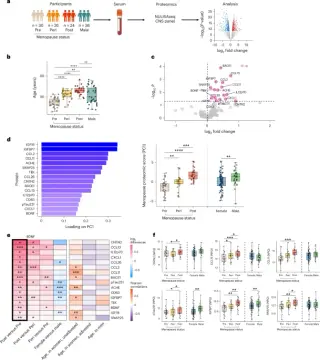
A new study in Nature Medicine identifies specific blood protein changes during menopause that correlate with brain aging and dementia risk. Researchers found that hormonal shifts, rather than chronological age, drive these biological changes, which involve inflammatory and synaptic processes. While a separate study suggests menopause may temporarily pause age-related brain shrinkage, this proteomic evidence highlights a midlife window for potential interventions to protect long-term cognitive health.
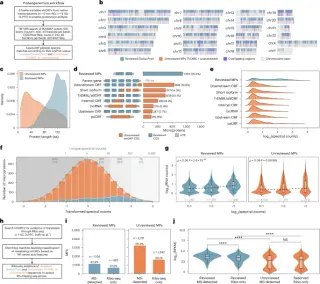
Researchers have created the first comprehensive atlas of microproteins in the human frontal cortex, identifying 1,067 previously unannotated proteins linked to Alzheimer’s disease. By analyzing over 600 postmortem brain samples, the study reveals that a specific 63-amino-acid microprotein is the primary translation product of the MKKS gene, not its canonical form. This microprotein is significantly downregulated in Alzheimer’s patients, and its loss impairs microglial mitochondrial respiration, suggesting a new mechanism for neurodegeneration. The findings expand the known brain proteome and provide a new resource for studying aging and neurodegenerative diseases.
Connecticut high-school student Lilah Mehta entered a Yale biomedical research lab at 16 and co-authored a peer‑reviewed neuroscience study on Kv1.3 channels in microglia and T cells, with implications for neurodegeneration. She navigated lab setbacks, used databases like PubMed and ScienceDirect to learn, and earned regional recognition through CT science fairs and the ASPIRE program, while aiming for a future in medicine and environmental science.