
Experts Warn Against 'Protein Maxxing' as Supplements Flood US Markets
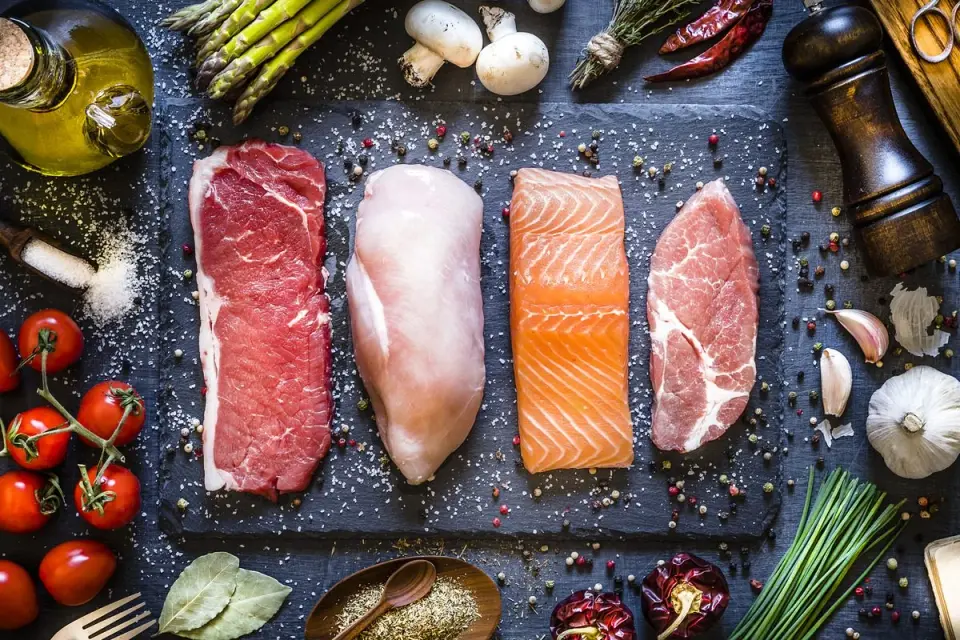
A surge in high-protein products and social media trends is driving Americans to consume more protein than necessary, potentially displacing essential nutrients and straining kidneys. While new federal guidelines raise recommended intake, experts emphasize that most people already meet needs through whole foods and should prioritize balanced diets over supplements.
Key points
- USDA updated 2025-2030 dietary guidelines to recommend 1.2-1.6g protein per kg of body weight, up from 0.8g, prompting a 'protein maxxing' trend.
- Pew Research indicates 37% of adults aged 18-29 and 35% of those aged 30-49 use protein supplements, often via cafes like Starbucks and 7 Brew.
- Nutritionists warn that excessive protein can displace fiber and carbohydrates, leading to constipation, weight gain, and kidney strain, particularly for those with pre-existing conditions.
- Experts advise that protein alone does not build muscle without resistance training and that plant-based sources often offer better cardiovascular profiles than animal products.
- Most Americans already consume adequate protein through regular diets, making supplements unnecessary for the general population and potentially harmful for children.
Background
Recent coverage has highlighted growing concerns about protein supplementation among youth and the broader market. Earlier reports noted that pre-teens with balanced diets do not require supplements, while industry expansion continues despite warnings about kidney strain and nutrient displacement. The current trend follows a period of increased scrutiny on supplement safety and the efficacy of high-protein diets for weight management.
How outlets are covering it
BBC Science Focus and Hartford Courant experts emphasize that most adults exceed protein needs, with BBC noting that excess protein is stored as fat and may compromise other macronutrients. Hartford Courant highlights the 'protein maxxing' trend driven by social media and weight-loss medications, warning that it can overload kidneys. BBC also stresses that plant proteins are not inferior to animal proteins for muscle building if amino acids are balanced. In contrast, the Hartford Courant notes that while protein aids satiety, it must be paired with resistance training to build muscle, a point echoed by the American Medical Association. All sources agree that individualized advice from dietitians is crucial, but they differ on the urgency of the trend's impact, with BBC focusing on general overconsumption and Courant focusing on the commercial and social media-driven surge.
Why it matters
The shift in dietary guidelines and the commercialization of protein products risk normalizing excessive intake, which can lead to metabolic issues and kidney stress. Understanding that protein is not a magic solution for weight loss or muscle gain helps consumers make informed choices, prioritize whole foods, and avoid costly, potentially harmful supplements. This matters for public health as it influences long-term cardiovascular and renal outcomes.
What to watch
Expect continued expansion of protein-fortified products in cafes and grocery stores, as well as ongoing debate over the adequacy of new USDA guidelines. Consumers should monitor their total caloric intake and consult dietitians before increasing protein consumption, especially if they have kidney issues or are using weight-loss medications.
- 'Could be counterproductive': Why too much protein can actually be unhealthy, according to nutrition experts BBC Science Focus Magazine
- I'm 12 and I want to try protein powder - should I? BBC
- A nutritional craze is sweeping across the nation. CT experts break down its pros and cons. Hartford Courant
- Protein Maxxing Trend Hits Connecticut Cafes and Menus Hoodline
- I'm a dietitian — here's what people get wrong about protein (and the best high protein foods to eat) Yahoo Health
Want the full story? Read the original reporting
Read on BBC Science Focus Magazine