
High sulfur-microbial diet linked to 23% higher lung cancer risk in large US cohort
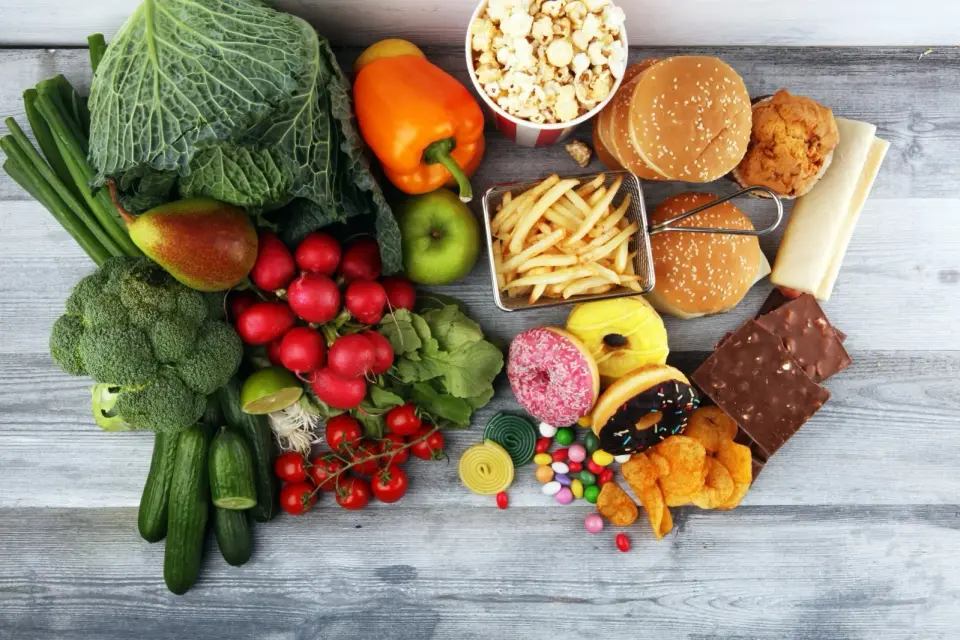
A prospective study of 95,612 US adults found that a high sulfur microbial diet (SMD) score is associated with a 23% increased risk of lung cancer incidence and a 19% higher risk of lung cancer mortality. The SMD score, derived from 25 food groups, reflects dietary patterns that may influence gut bacteria producing hydrogen sulfide. While the association weakened after adjusting for overall diet quality, it remained significant for heavy smokers and specific lung cancer subtypes.
Key points
- The study analyzed data from the Prostate, Lung, Colorectal, and Ovarian (PLCO) Cancer Screening Trial, focusing on 95,612 participants aged 55-74.
- Participants with the highest SMD scores consumed more red/processed meats, French fries, and high-fat dairy, while eating fewer fruits, yellow vegetables, and whole grains.
- After adjusting for confounders, the highest SMD quintile showed a 23% higher hazard for lung cancer incidence and a 19% higher hazard for lung cancer-related mortality compared to the lowest quintile.
- The association was stronger among participants with over 20 pack-years of smoking and for squamous cell and small cell carcinomas, but not for adenocarcinoma.
- The link between SMD and lung cancer risk diminished and lost statistical significance after further adjustment for overall diet quality, suggesting potential confounding by general dietary habits.
Background
Recent coverage has emphasized the role of balanced diets, such as the Mediterranean diet, in reducing chronic disease risks, including cancer. Previous archive articles highlight how fiber-rich, plant-based diets support gut health and may lower colorectal cancer risk. This new study extends that discussion by examining a specific dietary pattern linked to sulfur-metabolizing gut bacteria and its potential impact on lung cancer, a leading cause of cancer mortality globally with a five-year survival rate of approximately 25% in the US.
Why it matters
Identifying modifiable risk factors beyond smoking is crucial for lung cancer prevention, especially given rising incidence in never-smokers. This study provides preliminary evidence that dietary patterns influencing gut microbiome function may affect lung cancer risk via the gut-lung axis. However, the observational nature of the study and the weakening of associations after adjusting for overall diet quality limit causal inference. Future research with direct microbiome measurements and diverse populations is needed to confirm these findings and develop targeted dietary interventions.
What to watch
Researchers recommend future studies that include repeated dietary assessments, direct measurements of gut microbes and sulfur metabolites, and more diverse populations to better understand the role of sulfur-metabolizing dietary patterns in lung cancer risk. Confirming the subgroup findings, particularly for heavy smokers and specific cancer subtypes, will be essential for translating these results into public health recommendations.
Want the full story? Read the original reporting
Read on News-Medical