Tag

Nutrition Research

All articles tagged with #nutrition research

New Study: Ultra-Processed Food Type, Not Total Intake, Drives Colorectal Cancer Risk
health4 days ago

New Study: Ultra-Processed Food Type, Not Total Intake, Drives Colorectal Cancer Risk

A large study published in PLOS Medicine finds no link between total ultra-processed food consumption and colorectal cancer risk. However, specific types matter: processed meats increase risk, while ultra-processed whole grains and dairy decrease it. Replacing 10% of ultra-processed foods with minimally processed ones lowers risk by 2%.
Nuance in Nutrition: New Study Finds Ultra-Processed Foods Do Not Raise Colorectal Cancer Risk Overall, But Specific Types Matter
health5 days ago

Nuance in Nutrition: New Study Finds Ultra-Processed Foods Do Not Raise Colorectal Cancer Risk Overall, But Specific Types Matter

A large study published in PLOS Medicine found no overall link between ultra-processed food consumption and colorectal cancer risk in older adults. However, the research revealed that specific types of ultra-processed foods, such as processed meat, are associated with higher risk, while whole grains and dairy from these sources may lower risk. This finding contrasts with broader concerns about rising colorectal cancer rates in younger populations.

High sulfur-microbial diet linked to 23% higher lung cancer risk in large US cohort
health-and-nutrition5 days ago

High sulfur-microbial diet linked to 23% higher lung cancer risk in large US cohort

A prospective study of 95,612 US adults found that a high sulfur microbial diet (SMD) score is associated with a 23% increased risk of lung cancer incidence and a 19% higher risk of lung cancer mortality. The SMD score, derived from 25 food groups, reflects dietary patterns that may influence gut bacteria producing hydrogen sulfide. While the association weakened after adjusting for overall diet quality, it remained significant for heavy smokers and specific lung cancer subtypes.

health-and-nutrition13 days ago

New Meta-Analysis Confirms Dairy Trans Fats Lack the Heart Risks of Industrial Variants

A comprehensive review of 22 studies indicates that naturally occurring trans fats in dairy products do not carry the same cardiovascular risks as industrial trans fats. The research, published in Nutrition Research, found no link between dairy-derived trans fats and heart disease, stroke, or type 2 diabetes in both controlled trials and long-term observational cohorts. This challenges the assumption that all trans fats are equally harmful, suggesting that dairy consumption within a balanced diet is not a significant risk factor for cardiometabolic diseases.

Protein Guidelines Under Scrutiny: Evidence Gaps at Heart of 2025–2030 Recommendations
diet-and-nutrition2 months ago

Protein Guidelines Under Scrutiny: Evidence Gaps at Heart of 2025–2030 Recommendations

A Perspective published in The Journal of Nutrition analyzes the updated 2025–2030 Dietary Guidelines' protein recommendation of 1.2–1.6 g/kg/day. It acknowledges strengths such as a focus on high‑quality protein and potential weight‑management benefits for those with overweight/obesity, but argues the current evidence does not justify a universal higher‑protein intake for all Americans and calls for more diverse research across life stages and populations to strengthen future guidance.

Keto-Artery Study Retracted Over Data Flaws and Conflicts
science5 months ago

Keto-Artery Study Retracted Over Data Flaws and Conflicts

A 2025 paper in JACC: Advances claiming the ketogenic diet does not promote arterial plaque formation has been retracted after widespread critique of methods, data access, and potential conflicts of interest; the journal said the errors were too significant to fix with a corrigendum, and independent reanalyses raised further concerns, fueling ongoing debate about nutrition science and disclosure practices.

"Unveiling the Multi-Million Dollar Quest for the Ultimate Diet and Health Answers"
health-and-nutrition2 years ago

"Unveiling the Multi-Million Dollar Quest for the Ultimate Diet and Health Answers"

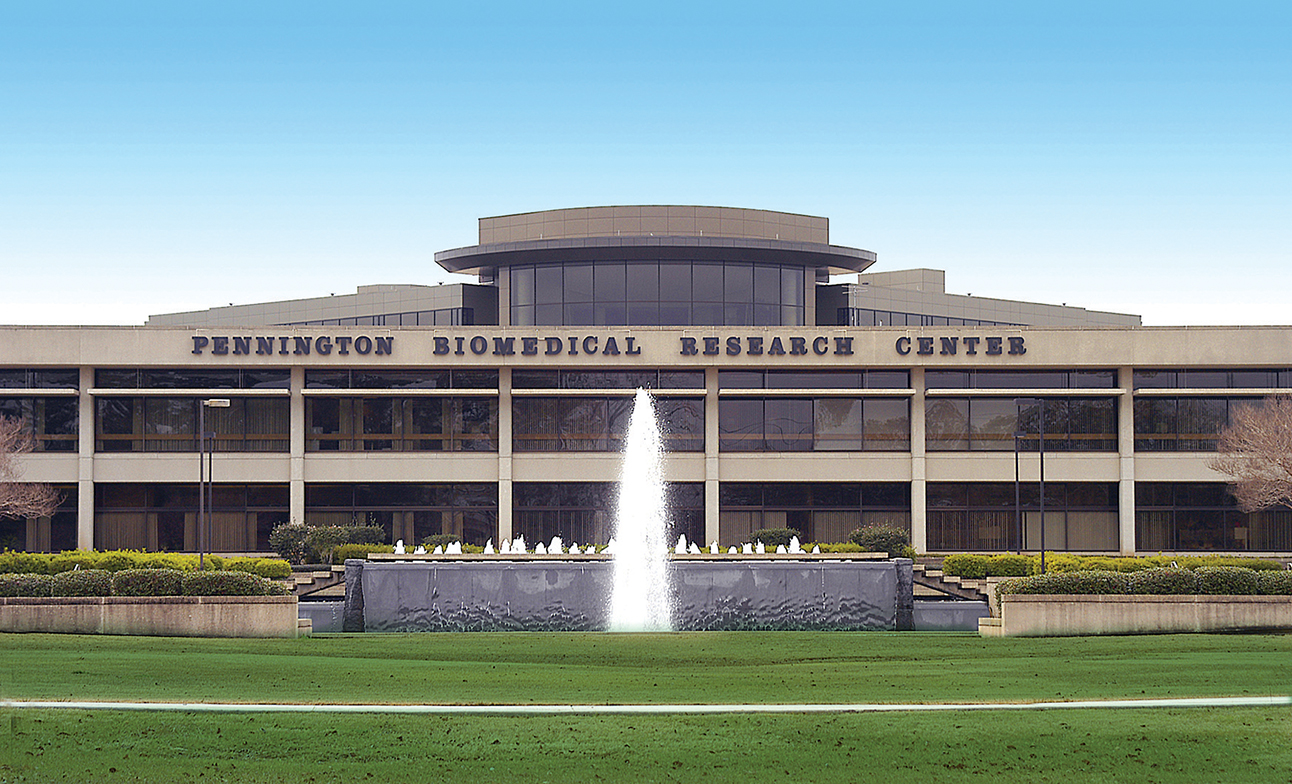
Pennington Biomedical Research Center is leading a $189 million NIH-funded study involving 10,000 participants to determine personalized nutrition guidance by analyzing how individuals respond differently to foods. The study includes 500 people living at scientific facilities for six weeks, strictly following designed meals and undergoing extensive medical tests. Researchers aim to create algorithms that predict the effects of specific diets on individuals, ultimately providing more accurate and personalized nutrition guidance to help Americans adopt healthier eating habits.

The evolving Chinese diet: implications for research and public health.
nutrition-research3 years ago

The evolving Chinese diet: implications for research and public health.

Traditional Chinese foods and ingredients continue to be popular for their flavor and nutritional benefits. Recent research has shown that regular tea consumption can reduce the risk of death and cardiovascular disease mortality. Soy sauce consumption has been linked to high sodium intake and an increased risk of cardiovascular disease. Sesame oil has been found to be a healthier cooking oil compared to alternatives, and tofu is a protein and vitamin-rich source of nutrition that may have a protective effect against coronary heart disease.

The Brain's Response to Diet.
neuroscience3 years ago

The Brain's Response to Diet.

Scientists are calling for a consensus on which cognitive tests to use when assessing the impact of nutrition on brain function. They recommend reducing the number of tests and standardizing reporting guidelines, which could enable researchers to pool data and make more confident decisions about how diet affects cognition over the life course. Optimizing nutrition can maintain and possibly even enhance cognitive functions known to be affected by aging, such as memory and processing speed. Evidence has shown that nutrition is associated with changes in cognition from before we are born into our old age.