
King's College Study Finds Discarded Produce Parts Hold Up to Five Times More Fiber Than Eaten Portions
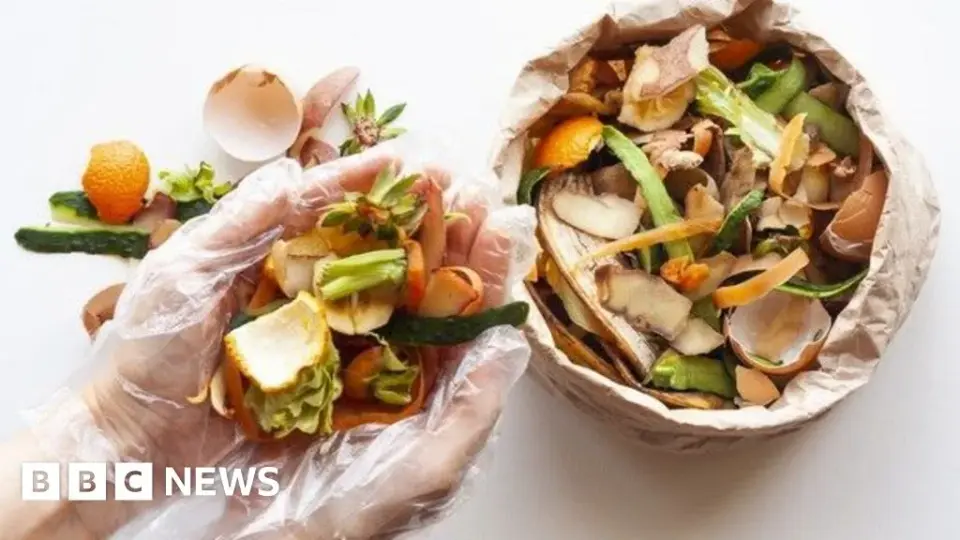
A new study from King's College London reveals that the peels, skins, and stalks of common fruits and vegetables often contain significantly more dietary fiber than the parts people typically eat. Researchers analyzed 12 types of produce and found that in 10 cases, the discarded 'root-to-tip' components were richer in fiber. This finding highlights a potential solution to the UK's low fiber intake and high food waste, suggesting that simple changes in food preparation could improve public health and reduce environmental impact.
Key points
- Only 4% of UK adults meet the recommended 30g daily fiber intake, with an average consumption of just 16.4g.
- In 10 out of 12 analyzed produce items, the discarded parts contained more fiber than the consumed portions.
- Pineapple skin and core contained 453.7% more fiber than the flesh, while butternut squash skin and seeds provided nearly one-third of the daily recommended fiber intake per 100g.
- A trial at King's College London found that 'root-to-tip' meals accounted for a third of hot menu sales, but some diners were less likely to finish their meals.
- Experts advise washing produce thoroughly and increasing fiber intake gradually to avoid digestive issues, particularly for those with IBS.
Background
This story follows recent discussions on gut health and fiber intake, such as our October 2026 coverage of autumn produce items recommended to boost daily fiber. It also aligns with broader trends in nutrition science emphasizing the importance of consistent dietary habits and the role of fiber in gut health and disease prevention.
How outlets are covering it
BBC and News-Medical both highlight the significant fiber content in discarded produce parts, emphasizing the nutritional and financial loss from throwing away these components. Bioengineer.org provides a more detailed breakdown of the study's findings, including the specific percentages of fiber in different parts of the produce. All three sources agree on the potential health benefits of 'root-to-tip' eating but differ in their emphasis on the practical implementation and consumer attitudes towards these changes. BBC focuses on the practical tips for home cooking, while News-Medical and Bioengineer.org delve deeper into the scientific and environmental implications.
Why it matters
The findings suggest that simple changes in food preparation could help address the UK's low fiber intake and high food waste. By incorporating more of the discarded parts of fruits and vegetables into meals, individuals can improve their dietary fiber intake, which is linked to better gut health, reduced risk of heart disease, and lower risk of certain cancers. This approach also has the potential to reduce food waste, contributing to environmental sustainability.
What to watch
Researchers hope that future studies will explore how 'root-to-tip' eating can be practically and safely implemented across diverse populations and settings. They also aim to understand how cooking methods affect fiber content and digestibility. Additionally, there is a call for caterers and food manufacturers to explore ways to use fruit and vegetable waste to enhance the healthiness of meals at a population level.
- Biggest fibre boost could be scraps in your bin, experts say BBC
- 17 Food Scraps You Can Repurpose Instead of Throwing Away Better Homes & Gardens
- Discarded fruit and vegetable parts offer overlooked fiber benefits News-Medical
- Discarded Peels and Skins Hold Up to Five Times More Fibre Than the Parts We Eat Bioengineer.org
- Peels, Seeds, and Other Scraps Contain More Fiber Than the Parts We Eat in 10 of 12 Fruits and Vegetables Discover Magazine
Want the full story? Read the original reporting
Read on BBC