Researchers at King's College London found that urolithin A, a compound produced by gut bacteria after consuming pomegranates, may improve heart function in patients with heart failure with preserved ejection fraction (HFpEF). In animal models, the compound improved heart function by up to 80% by activating a protein that aids heart relaxation. While promising, human trials are needed to confirm these benefits.
A massive review of 63 studies involving over 265,000 people finds that cannabis users are significantly more likely to commit violent acts and to be victims of violence. While the study does not prove causation, it suggests cannabis use is a modifiable risk factor that should be considered in clinical and public health contexts, particularly given the rise of high-potency products.
Researchers at King's College London have identified urolithin A, a compound produced in the body after consuming pomegranates, walnuts, and certain berries, as a potential treatment for heart failure with preserved ejection fraction (HFpEF). Published in Science Advances, the study shows that urolithin A activates the PKGIα protein, improving heart relaxation by up to 80% in animal models and engineered human heart tissue. This condition, which affects nearly half a million people in the UK, involves a stiff heart that cannot fill properly between beats, leading to fatigue and breathlessness. While current treatments are limited due to the complex nature of HFpEF, this new mechanism offers a promising therapeutic target. However, experts caution that these results are preliminary, as they are based on experimental models rather than human clinical trials. Although urolithin A has a favorable safety profile in previous human studies, further research is required to confirm its efficacy as a treatment for patients.
New evidence-based dietary guidelines developed by King's College London identify kiwifruit, rye bread, and mineral-rich water as effective for managing chronic constipation, challenging traditional high-fiber diets and promoting personalized, scientifically supported approaches for better quality of life.
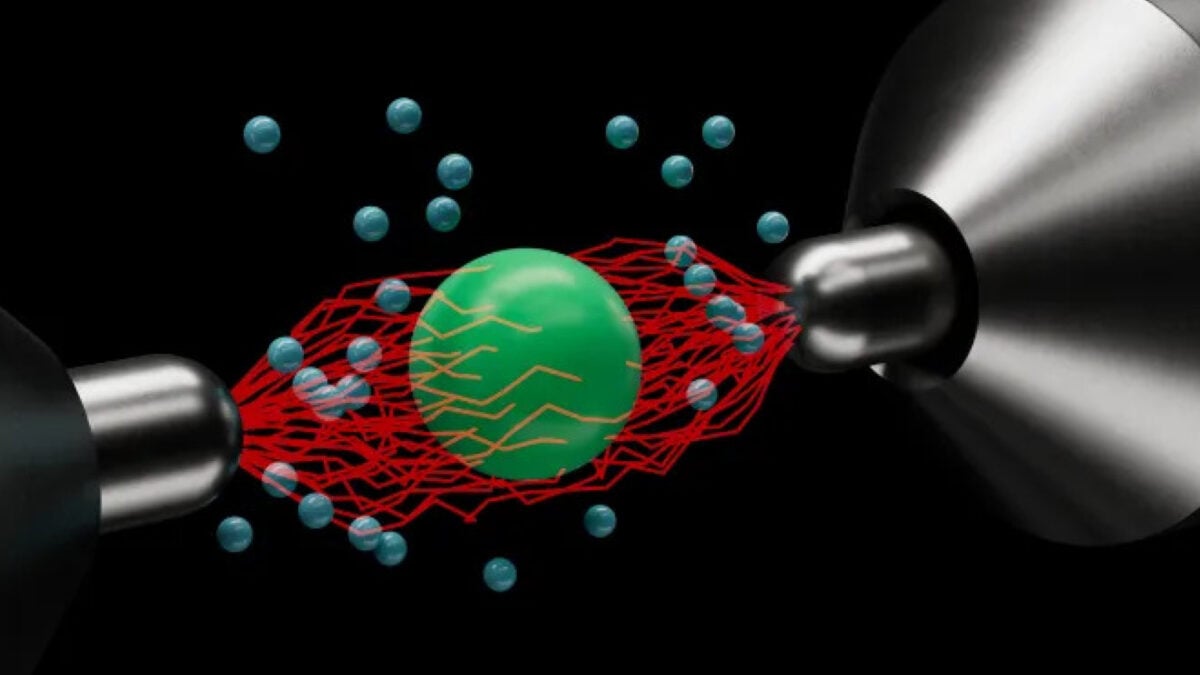
Scientists at King's College London have created the world's hottest microengine, operating at temperatures hotter than the sun's core, which could revolutionize our understanding of thermodynamics and aid in developing treatments for diseases by improving knowledge of protein folding.
Researchers have created the smallest and hottest engine ever, achieving temperatures of 10 million Kelvins inside a microscopic particle, which challenges traditional thermodynamics and offers potential for simulating microscopic phenomena like protein folding.
New research from King’s College London provides evidence-based dietary guidelines for managing chronic constipation, highlighting foods like kiwifruit, rye bread, and mineral-rich water, as well as supplements such as psyllium, probiotics, and magnesium oxide, while questioning the effectiveness of high-fiber diets and senna. The guidelines aim to improve patient care and quality of life through targeted dietary and lifestyle changes, though more high-quality research is needed.
Researchers from King's College London have developed a keratin-based substance derived from sheep wool that can help regenerate tooth enamel, potentially leading to new toothpaste or gels that restore dental health and address widespread dental decay issues. This innovative approach could be available within a few years and promotes sustainable use of waste materials.
Introducing smooth peanut butter to babies and continuing through early childhood can significantly reduce the risk of developing peanut allergies, according to research from King's College London. The study found that children who consumed peanut products up to age five were 71% less likely to develop an allergy, with the protection lasting into adolescence. This approach contrasts with previous advice to avoid peanuts, highlighting the importance of early exposure for immune system development.
A study by researchers at King's College London found that a daily fibre supplement, available at health food shops, can improve brain function in the over-60s in just 12 weeks. The study tested two plant fibre supplements, inulin and FOS, and found that the subjects taking the fibre supplements performed better in tests assessing brain function, showing improvement in memory tests associated with early signs of Alzheimer's disease, as well as in reaction time and processing speed. The researchers are excited about the potential of these cheap and readily available supplements to enhance brain health and memory in the aging population.