
Balancing Protein Needs: Cost, Health, and the Limits of 'More'
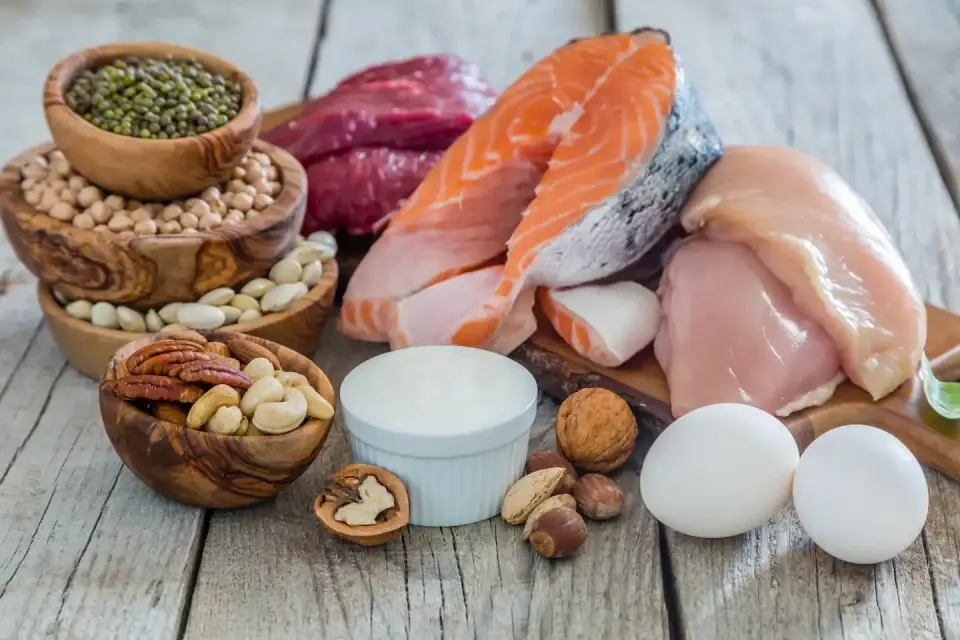
A recent Washington Post column highlights affordable protein sources like eggs, lentils, and canned fish, emphasizing that cost should not dictate nutritional quality. While experts recommend 1.2–1.6 grams of protein per kilogram of body weight for muscle maintenance, new research suggests that excessive intake may not always benefit longevity. Nutritionists stress that whole foods offer superior value compared to processed supplements, and that protein needs vary significantly by age, activity level, and overall diet.
Key points
- Affordable staples such as eggs, peanut butter, lentils, and canned fish provide high-quality protein without the premium cost of fresh meat or specialized supplements.
- Health expert Nickhil Jakatdar suggests a daily intake of 1.2–1.6 grams per kilogram of body weight, with sample meal plans showing how vegetarians and non-vegetarians can reach approximately 100 grams daily through whole foods.
- A major review of over 350 studies indicates that chronically excessive protein intake may not support longevity and could negatively impact cellular health, contradicting the 'more is better' marketing narrative.
- Nutritionists warn against relying solely on protein shakes or processed high-protein snacks, as whole foods provide essential fiber, vitamins, and healthy fats that supplements lack.
- The optimal protein source depends on individual factors; a diet rich in fish, legumes, and dairy is generally preferred for healthy aging over one focused solely on maximizing protein quantity.
Background
This discussion follows earlier trends in nutritional science where protein was often marketed as a universal solution for weight loss and muscle gain. Recent shifts in dietary guidelines emphasize balance over extremes, moving away from the 'protein obsession' that dominated fitness culture in previous years. The current focus is on sustainable, long-term health rather than short-term metrics.
How outlets are covering it
The Washington Post focuses on the economic aspect, identifying budget-friendly options like eggs and legals to ensure adequate intake without financial strain. Health News Hub and The Times of India emphasize the physiological necessity of protein for everyone, not just athletes, and provide specific gram-per-kilogram targets. In contrast, tovima.com highlights recent scientific critiques of high-protein diets, noting that excessive intake may harm longevity. While the Post and Health News Hub agree on the importance of whole foods, tovima.com introduces a nuance that 'more' is not always 'better,' suggesting that individual needs vary and that processed high-protein foods should be avoided.
Why it matters
Understanding the balance between protein quantity, quality, and cost is crucial for maintaining muscle mass and metabolic health, especially as populations age. Misconceptions about protein can lead to unnecessary spending on supplements or poor dietary choices that may not support long-term health. Accurate information helps consumers make informed decisions that align with their health goals and budgets.
What to watch
Expect continued debate over optimal protein intake levels, with more research focusing on individualized nutrition based on age, activity, and health status. The market for affordable, high-quality whole-food protein sources may grow as consumers become more aware of the limitations of processed supplements and the potential risks of excessive intake.
- What’s the most affordable way to get enough protein? The Washington Post
- 6 Protein Myths You Should Stop Believing Health News Hub
- Nickhil Jakatdar explains how much protein the body needs daily and why muscle health matters as we age The Times of India
- A Good Diet Is Not Hidden in the Grams tovima.com
- Protein: an important part of healthy aging The Pagosa Springs Sun
Want the full story? Read the original reporting
Read on The Washington Post