
Sardinemaxxing: Dietitians Weigh In on the Viral Sardine Trend
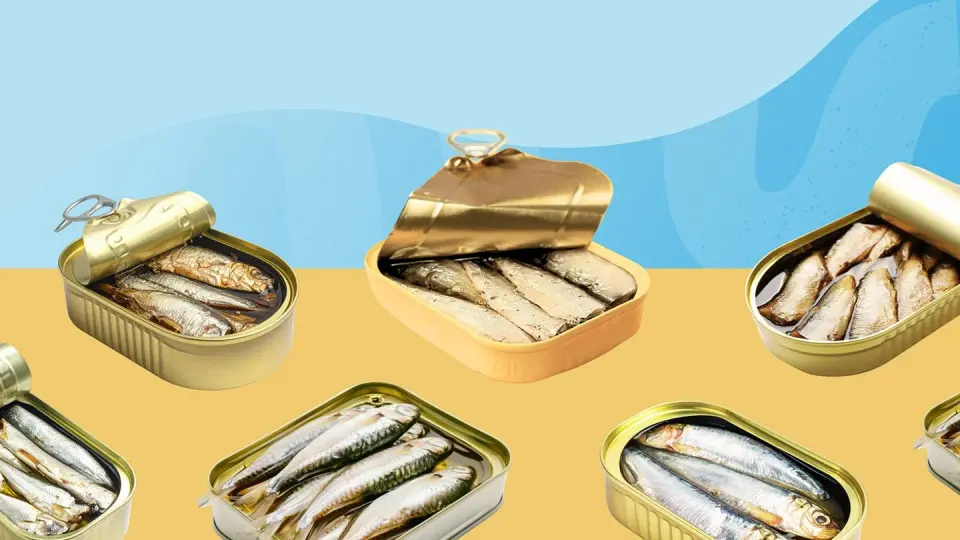
The 'sardinemaxxing' trend on TikTok promotes sardines as an affordable, nutrient-dense protein source. Registered dietitians confirm sardines offer high levels of omega-3s, protein, calcium, and vitamin D with low mercury content. However, experts caution that canned sardines are high in sodium and purines, making them unsuitable for individuals with hypertension, kidney disease, or gout. The consensus is that sardines should be part of a balanced diet, not the sole focus of a health plan.
Key points
- Sardinemaxxing is a social media trend encouraging the consumption of sardines for their nutritional profile, similar to 'proteinmaxxing' and 'fibermaxxing'.
- A 3.75 oz tin of sardines provides approximately 22.6 g of protein, 2 g of omega-3s, 351 mg of calcium, and 4.4 micrograms of vitamin D.
- Sardines are low in mercury because they are small, short-lived fish low on the food chain, classifying them as a 'Best Choice' for children and pregnant women.
- Canned sardines contain 282 to 500 mg of sodium per can, which poses risks for those with high blood pressure, heart failure, or kidney disease.
- High purine levels in sardines can trigger gout flare-ups by increasing uric acid levels in the body.
- The American Heart Association recommends two 3 oz servings of fish per week, which equates to roughly two cans of sardines.
Background
This story follows a broader pattern of 'maxxing' trends on social media, where users optimize specific nutrients for health benefits. Previous coverage of unrelated topics like the Good Good Golf controversy is not relevant to this nutritional discussion. The current trend mirrors earlier 'fibermaxxing' and 'proteinmaxxing' movements, focusing on single-food optimization.
How outlets are covering it
EverydayHealth and USA Today both agree on the nutritional benefits of sardines but differ slightly in emphasis. EverydayHealth highlights the convenience and affordability, citing registered dietitians Sheri Gaw and Joel Ramdial, while noting the sodium content. USA Today adds the perspective of Laura Bellows and Perri Halperin, emphasizing the 'Best Choice' FDA classification for low mercury and adding the concern about purines and gout, which EverydayHealth does not explicitly detail. Both sources agree that sardines should not replace a varied diet.
Why it matters
As social media drives food trends, consumers may overlook the downsides of single-food diets. Understanding the balance between nutritional benefits and risks like sodium and purines is crucial for making informed dietary choices, especially for those with specific health conditions.
What to watch
Expect continued discussion on social media about the practicality and safety of sardinemaxxing. Retailers may see increased sales of canned sardines, and health professionals may issue further guidance on safe consumption levels for individuals with specific medical conditions.
Want the full story? Read the original reporting
Read on Everyday Health