
Veterinarians warn against raw cat diets citing Salmonella risks and 2025 H5N1 recalls
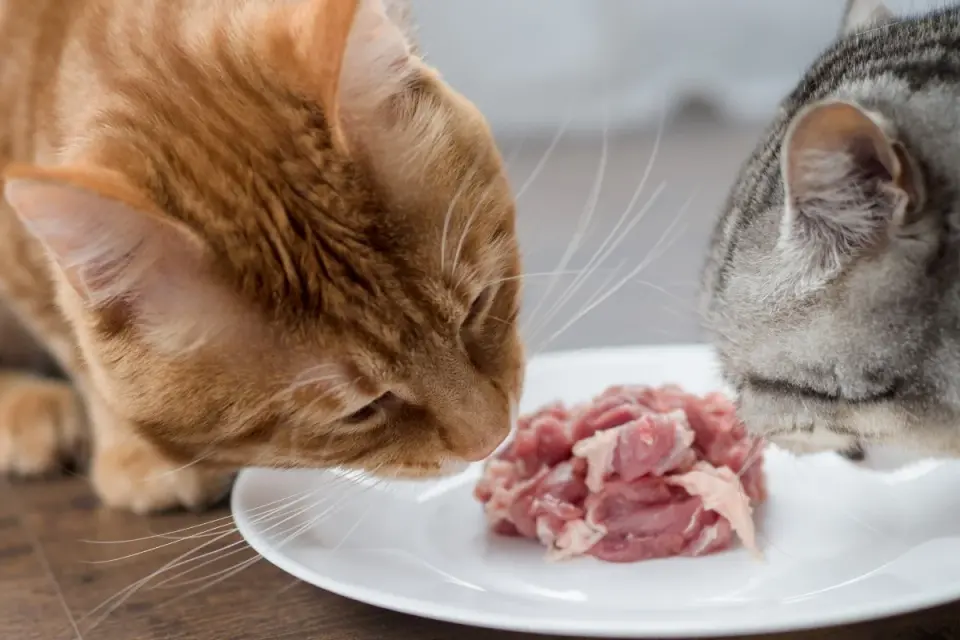
Veterinarians and health agencies advise against feeding cats raw animal-based diets due to significant risks of bacterial contamination and viral exposure. While raw feeding has gained popularity among pet owners seeking a 'natural' diet, the American Veterinary Medical Association, FDA, and CDC warn that untreated proteins can harbor pathogens like Salmonella and Listeria. Recent 2025 recalls linked to H5N1 bird flu in raw chicken products have highlighted the dangers of this practice. Experts recommend cooking poultry to 165°F to eliminate germs, though they caution that cooking alone does not ensure nutritional balance. Owners are urged to consult veterinarians for complete, balanced diets that avoid the health risks associated with raw feeding.
Key points
- The American Veterinary Medical Association has discouraged raw pet food since 2012, a stance supported by the FDA and CDC.
- An FDA study found Salmonella in 15 of 196 raw pet food samples and Listeria monocytogenes in 32 samples.
- In 2025, multiple raw cat food brands issued recalls due to potential H5N1 contamination, leading to cat illnesses and deaths in Washington, Oregon, and San Francisco.
- Cooking poultry to an internal temperature of 165°F is recommended to kill bacteria and viruses, including H5N1.
- Raw diets may lack essential nutrients like taurine or have improper calcium-to-phosphorus ratios, and bones can cause digestive blockages.
Background
This advice aligns with broader trends in 2026 where experts have warned against unregulated dietary choices, such as the October 2026 caution against daily tinned fish consumption due to mercury and sodium levels. While that issue focused on human nutrition, the underlying principle of prioritizing safety and balanced intake over perceived 'natural' benefits mirrors the current debate regarding raw pet diets.
Why it matters
The rise in raw feeding trends poses direct health risks to pets and their human households. Contaminated food can transmit dangerous pathogens like Salmonella and Listeria to people and other animals in the home. Furthermore, the 2025 H5N1 recalls demonstrate that raw diets can expose cats to severe viral infections. Understanding these risks helps owners make informed decisions that prioritize long-term health and safety over short-term preferences for 'natural' feeding methods.
What to watch
Pet owners considering raw diets should consult their veterinarians to ensure any new food is complete and balanced. Health authorities will likely continue monitoring raw pet food products for contamination. The focus will remain on promoting cooked, nutritionally verified diets that mitigate the risks of bacterial and viral infections while meeting the specific nutritional needs of cats.
Want the full story? Read the original reporting
Read on TheCoolist