
Pennsylvania Measle Death Dispute Highlights Gap Between Public Health Data and Forensic Records
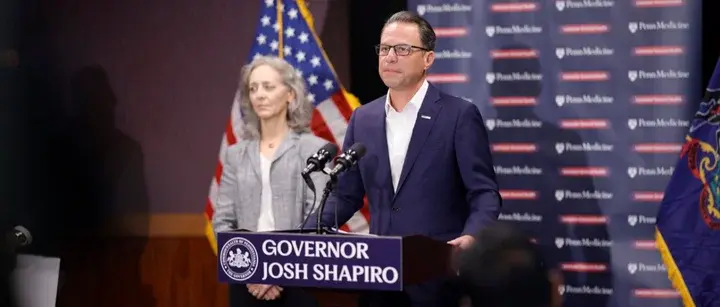
Pennsylvania’s announcement of two measles-associated deaths in Lancaster County sparked a dispute between state health officials, the local coroner, and HHS Secretary Robert F. Kennedy Jr. While the state confirmed the fatalities as linked to measles, the coroner stated one infant died from a ruptured spleen unrelated to the disease. Kennedy alleged the deaths were fabricated, a claim experts reject. The conflict exposed a lack of transparency in how 'associated' deaths are defined, leading to public confusion and criticism of the state’s communication strategy during a growing outbreak.
Key points
- Pennsylvania Department of Health announced two 'measles-associated' deaths in Lancaster County on Aug. 25, marking the first such fatalities in the state in 35 years.
- Lancaster County Coroner Dr. Stephen Diamantoni stated that one infant died from a traumatic spleen laceration, with the pathologist determining measles was not a contributing factor.
- HHS Secretary Robert F. Kennedy Jr. alleged on social media that the deaths may have been fabricated by a governor’s staffer, a claim public health experts called inexcusable.
- The state defined 'measles-associated' as cases where infection is present but may not be the immediate cause of death, a definition experts noted was technically accurate but functionally confusing to the public.
- The second death remains unidentified by the coroner, with state law experts noting that not all deaths from contagious diseases require coroner referral if they do not constitute a public hazard.
- As of late August, Pennsylvania had recorded 460 measles cases, with experts warning the outbreak could be larger than reported as school terms begin.
Background
This dispute follows a broader national trend of rising measles cases in 2026. Previous coverage noted that the CDC delayed counting these two deaths in its national tally due to insufficient information, and that Kennedy Jr. pressured the CDC to omit them. The current conflict mirrors earlier controversies where Kennedy Jr. questioned the validity of other measles-related fatalities, such as those in Texas, despite medical evidence to the contrary. The incident highlights ongoing tensions between state health departments and federal administration officials regarding data transparency and vaccine policy.
Why it matters
The controversy undermines public trust in health data during a critical outbreak. By failing to clearly explain the difference between epidemiological surveillance and forensic death certification, Pennsylvania allowed misinformation to fill the vacuum. This could discourage vaccination efforts and complicate future outbreak responses, as the public may question the validity of official health statistics. The incident also illustrates how political disputes can overshadow public health messaging, potentially delaying necessary community interventions.
What to watch
Public health experts are calling for Pennsylvania to release more detailed information about the two cases to restore institutional credibility. The CDC is expected to continue its review of the deaths before including them in national tallies. As the measles outbreak progresses into the fall and winter months, state officials will likely face increased pressure to clarify case definitions and improve communication strategies to prevent further public confusion.
Want the full story? Read the original reporting
Read on FactCheck.org