
DEA Bans SR-17018, Halting Research on a Potential Opioid Withdrawal Solution
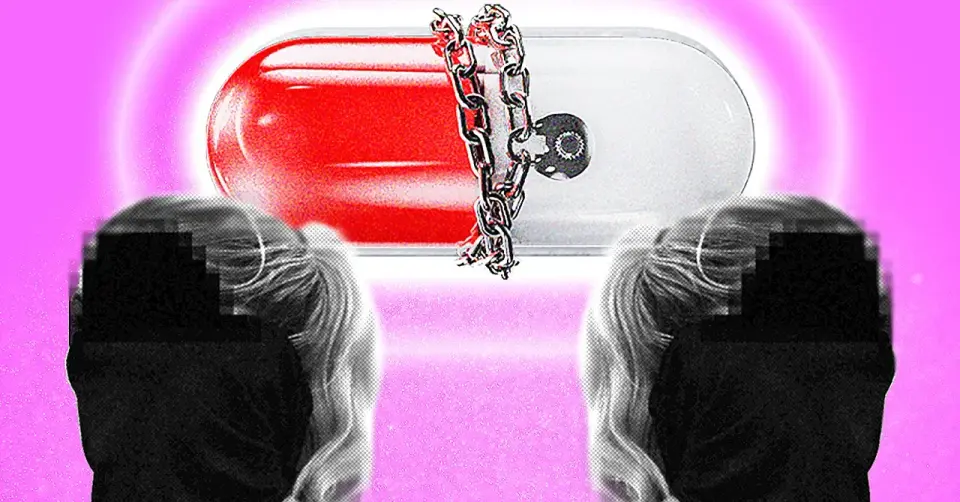
The DEA has emergency-scheduled SR-17018 as a Schedule I controlled substance, effectively banning the compound that many opioid users reported using to manage withdrawal symptoms without severe side effects. This move halts ongoing research by scientists at the University of South Florida who were preparing human clinical trials. While the agency cites safety concerns regarding overdose vulnerability, critics argue the ban removes a potential off-ramp for addiction and disrupts decades of scientific progress.
Key points
- In late August 2026, the DEA placed SR-17018 in Schedule I, categorizing it alongside heroin with 'no currently accepted medical use.'
- SR-17018 was identified in 2017 by researchers at the University of South Florida as a compound that relieves pain in mice without causing respiratory depression.
- The compound allows users to reset opioid tolerance without experiencing painful withdrawal symptoms, a benefit reported by users on Reddit and Discord.
- Laura Bohn, a senior researcher at USF Health, stated the ban prevents her from conducting necessary safety studies and human clinical trials.
- The DEA’s decision follows the emergency scheduling of other synthetic opioids like 7-OH and MGM-15, which are often sold in gas stations and vape shops.
- Critics argue the ban is 'draconian' because SR-17018 has not been linked to overdose deaths or emergency room visits, unlike the substances it was grouped with.
Background
This development occurs amidst a broader crackdown on synthetic opioids and kratom-derived compounds. Recent archive coverage highlights the DEA’s scheduling of mitragynine pseudoindoxyl in August 2026, which led to raids on gas stations in Mississippi following student overdoses. Additionally, the DEA has warned about cychlorphine, a synthetic opioid 10 times more potent than fentanyl, which has caused deaths in multiple states. These actions reflect a federal strategy to curb the spread of potent synthetic substances, though they have sparked debate over the balance between public safety and access to potential therapeutic alternatives.
Why it matters
The ban on SR-17018 represents a significant shift in drug policy, prioritizing immediate regulatory control over potential therapeutic benefits. By classifying the compound as a Schedule I substance, the government has removed a tool that some users found effective for quitting opioids without the severe withdrawal symptoms associated with traditional methods. This decision may hinder the development of next-generation treatments for opioid dependency, potentially leaving users without viable alternatives as the crisis continues to evolve.
What to watch
The emergency scheduling of SR-17018 will last for two years, with a possible one-year extension. During this period, the DEA may move to permanently schedule the drug, a process that requires public and scientific input. Researchers and advocates plan to challenge the decision, arguing that the ban is premature and lacks sufficient scientific justification. The outcome of this regulatory action will influence future policies on synthetic opioids and the availability of alternative treatments for addiction.
Want the full story? Read the original reporting
Read on WIRED