
Mold Is a Housing Crisis, Not a Wellness Grift
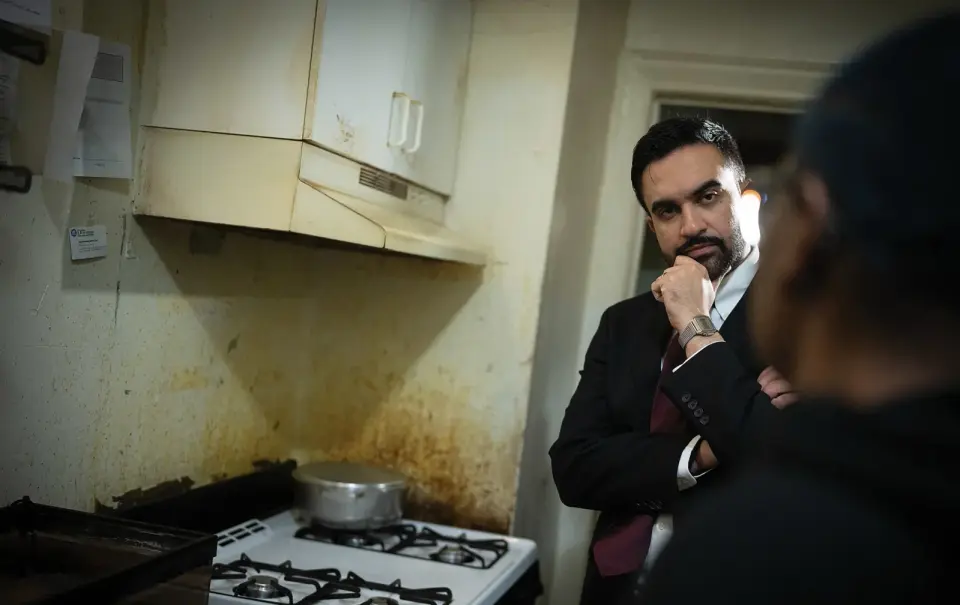
Mold exposure is a serious public health issue often dismissed by mainstream media as a right-wing pseudoscience trend. However, this framing ignores the reality of unsafe housing conditions affecting diverse populations. By treating mold as a cultural war issue rather than a structural failure, the left cedes the narrative to wellness influencers who monetize fear through supplements, while ignoring the systemic neglect by landlords and governments that causes these health crises.
Key points
- The 'Make America Healthy Again' (MAHA) movement has commodified mold exposure, linking it to chronic Lyme disease and selling unproven supplements and detox protocols.
- Left-leaning media, such as The Cut, often dismisses mold-related illnesses as hysterical or pseudoscientific, failing to acknowledge that mold is a recognized allergen for up to 10% of the population.
- Real-world cases, including a class action lawsuit at a Michigan women’s prison and housing issues in North Carolina post-Hurricane Helene, demonstrate that mold is a widespread environmental hazard linked to landlord neglect and climate change.
- The author’s personal experience in a Park Slope apartment, where mold levels were found to be 400 times the safe limit, illustrates the physical toll of substandard housing.
- The article argues that mold should be reframed as a political issue of tenant rights and corporate accountability, rather than an individual health crisis or a partisan culture war.
Background
This piece builds on previous discussions regarding the intersection of public health and political polarization. It follows earlier analyses of how wellness influencers exploit medical uncertainty to create profitable narratives, and how housing insecurity exacerbates health disparities in urban areas. The article also references the broader trend of using environmental toxins as a tool for political mobilization, contrasting it with the historical dismissal of similar concerns by mainstream institutions.
Why it matters
The debate over mold reveals a critical failure in how society addresses housing and health. By allowing right-wing influencers to dominate the narrative, the left misses an opportunity to unite diverse groups around a common cause: the right to safe housing. This polarization not only harms individuals seeking validation for their symptoms but also diverts attention from the systemic failures of landlords and governments that create these hazardous conditions. Recognizing mold as a structural issue rather than a pseudoscientific one is essential for effective policy and tenant advocacy.
What to watch
Expect continued growth in the wellness industry’s focus on mold and mycotoxins, as influencers capitalize on public anxiety. Simultaneously, there may be a rise in tenant unionization and legal action against landlords for failing to maintain safe housing standards. The political discourse around mold is likely to remain fragmented, with the left struggling to reclaim the narrative from right-wing pseudoscience while addressing the underlying housing crisis.
Want the full story? Read the original reporting
Read on Home ❧ Current Affairs