
Wisconsin Quarantines Two More Deer Farms After CWD Detections
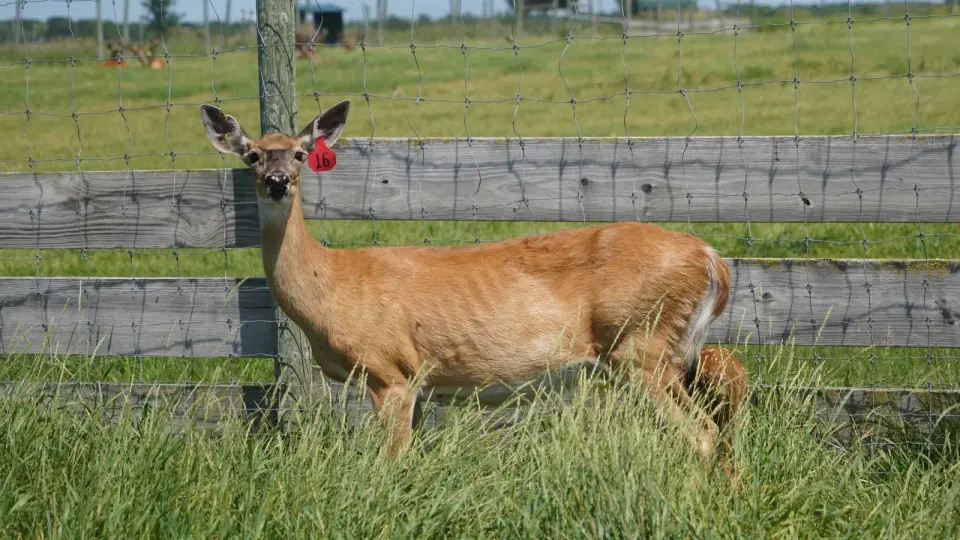
Wisconsin’s Department of Agriculture, Trade and Consumer Protection has placed two additional captive cervid facilities in Crawford and Portage counties under quarantine following the detection of chronic wasting disease (CWD) in animals on their premises. This action follows earlier depopulation orders at another Wisconsin deer farm earlier in 2026 due to the same prion disease. The new quarantines aim to contain the spread of CWD, which affects deer, elk, and moose, within the state’s captive breeding and farming operations.
Key points
- Two captive cervid facilities in Crawford and Portage counties are now under quarantine after CWD was detected in animals on their premises.
- The Department of Agriculture, Trade and Consumer Protection announced the quarantines to prevent further spread of the disease.
- Another Wisconsin deer farm was depopulated earlier in 2026 due to a CWD detection, indicating a pattern of outbreaks in captive cervid operations.
- CWD is a fatal neurodegenerative disease affecting cervids, and its detection in farms triggers strict containment measures to protect wild and captive populations.
Background
This development follows a broader trend of wildlife disease management in the United States, including recent rabies quarantines in South Carolina in August 2026. While the South Carolina outbreak involved rabies in wildlife and exposed pets, the Wisconsin cases involve CWD in captive cervid facilities, highlighting distinct but parallel public health and animal health responses to emerging zoonotic and wildlife diseases. The Wisconsin CWD detections are part of ongoing state efforts to monitor and control prion diseases in deer and elk populations, both wild and captive.
Why it matters
CWD is a serious concern for wildlife management and public health due to its potential to spread to other cervid populations and its fatal nature. Quarantines of captive facilities help prevent the disease from entering wild deer and elk herds, which could have ecological and economic impacts on hunting, tourism, and agriculture. The repeated detections in Wisconsin suggest that current monitoring and containment strategies may need strengthening to protect the state’s cervid populations.
What to watch
The quarantined facilities will likely undergo testing and inspection to determine the extent of CWD presence. If confirmed, depopulation or strict biosecurity measures may follow, as seen in earlier 2026 cases. State agencies may increase surveillance in other captive cervid facilities and wild deer populations to detect additional cases early.
Want the full story? Read the original reporting
Read on Milwaukee Journal Sentinel