
Post-Infection Syndromes: New Focus on Autoimmunity and Viral Persistence
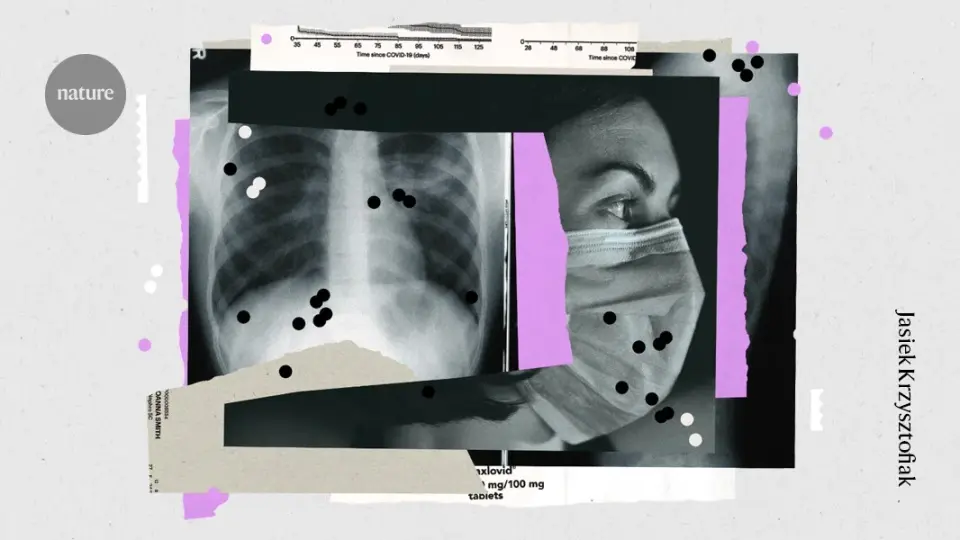
Research into post-infection syndromes like long COVID and ME/CFS is accelerating, with scientists identifying shared mechanisms such as autoantibodies and lingering viral fragments. While funding has increased, the economic burden remains high, and new trials are testing antivirals and antibody-depleting therapies to treat these chronic conditions.
Key points
- A 2024 study estimates 400 million people globally suffer from long COVID, creating an annual economic burden of approximately US$1 trillion.
- Researchers are converging on two primary drivers for post-infection syndromes: immune dysfunction, specifically autoantibodies, and the persistence of viral particles or fragments in the body.
- A 2026 study found that IgG antibodies from long COVID patients caused pain hypersensitivity in mice, suggesting autoimmunity is a key symptom driver.
- William Pridgen and David Putrino reported that a three-drug cocktail targeting SARS-CoV-2 and herpesviruses showed sustained improvement in 12 long COVID patients over two years.
- The US FDA has granted an Investigational New Drug exemption for a larger, placebo-controlled trial of this antiviral combination, with results expected by 2030.
Background
This development follows earlier reports in August 2026 linking severe acute infections to the reactivation of dormant viruses, such as Epstein-Barr and cytomegalovirus, which may contribute to long-term fatigue and disability. Previous coverage also highlighted how post-infection irritable bowel syndrome affects 10-20% of those with intestinal illnesses, underscoring the broader pattern of chronic symptoms following acute infections.
Why it matters
Understanding the biological mechanisms behind post-infection syndromes is crucial for developing effective treatments for a global health crisis that affects hundreds of millions of people. Current research shifts the focus from psychological explanations to tangible biological markers, potentially leading to targeted therapies for chronic fatigue and neurological issues.
What to watch
The ResetME trial, a large-scale placebo-controlled study of daratumumab for ME/CFS, is underway with results expected between 2028 and 2030. Additionally, a larger trial for the three-drug antiviral cocktail is set to begin following FDA approval, aiming to validate the promising results from smaller studies.
Want the full story? Read the original reporting
Read on Nature