
Bar-Ilan researchers report 30% remission in LADA mice using existing drug combo
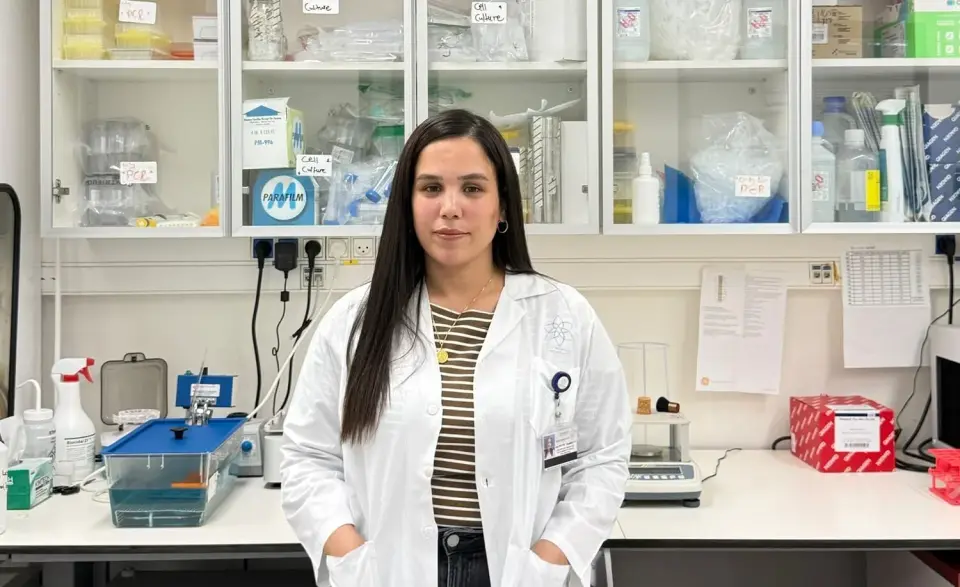
Israeli scientists at Bar-Ilan University have demonstrated that a combination of three existing drugs can induce remission in 30% of mice with Latent Autoimmune Diabetes in Adults (LADA). The study, published in MedComm, identifies specific RNA biomarkers that predict which patients will respond to the therapy, potentially enabling personalized treatment for this often misdiagnosed form of diabetes.
Key points
- Bar-Ilan University researchers led by Dr. Ron Piran and Wisal Sawaed tested a cocktail of GABA, sitagliptin, and omeprazole on mice engineered to mimic LADA.
- Approximately 30% of the treated mice achieved complete remission, with blood sugar levels normalizing and no longer requiring insulin after treatment ended.
- The team identified two cell-free RNA biomarkers, Adgrb1 and Chd5, in blood samples that accurately predicted which mice would respond to the therapy.
- LADA, often called 'Type 1.5 diabetes,' accounts for 9.1% of global diabetes cases but is frequently misdiagnosed as Type 2 due to its onset in adulthood.
- Since all three drugs are already FDA-approved, researchers suggest they could move directly to human clinical trials without needing to prove safety.
Background
This development follows recent advancements in diabetes management, including studies on GLP-1 drugs reducing diabetes risk and early trials showing Type 1 diabetics stopping insulin via anti-rejection drugs. It also contrasts with earlier findings on prescribing cascades in Type 2 diabetes, highlighting the complexity of managing autoimmune versus metabolic forms of the disease.
Why it matters
LADA is frequently misdiagnosed as Type 2 diabetes, leading to inappropriate treatment. This research offers a potential pathway for precision medicine, allowing doctors to identify patients likely to benefit from a specific drug combination before treatment begins, potentially preventing the progression of autoimmune diabetes.
What to watch
Researchers are currently investigating whether human patients exhibit similar RNA signatures. If confirmed, the next step is a clinical trial in humans, leveraging the fact that the three drugs are already on the market and FDA-approved.
Want the full story? Read the original reporting
Read on The Times of Israel