
Blood test identifies advanced CTE in living athletes, but validation remains pending
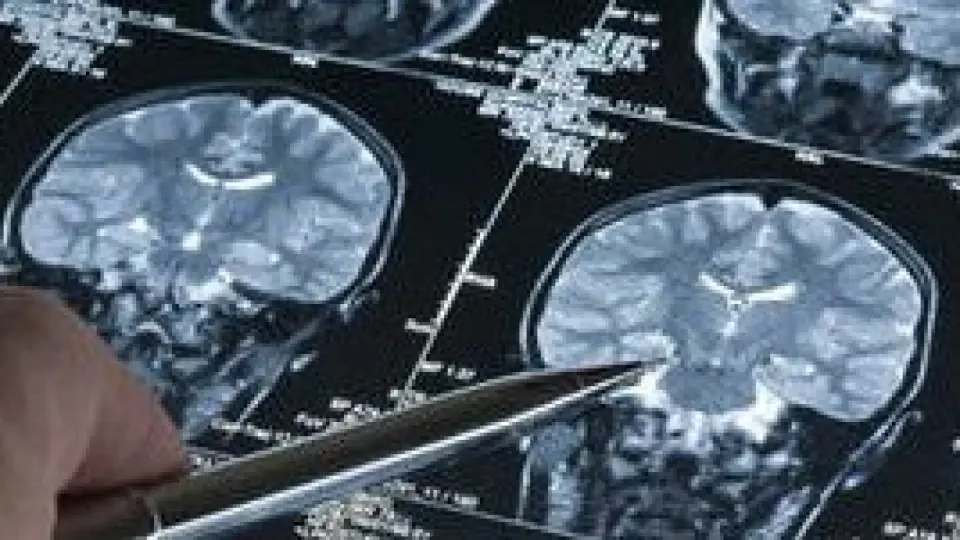
Researchers at Boston University and Banner Health have identified a blood protein marker that may detect advanced chronic traumatic encephalopathy (CTE) in living patients. Published in the Journal of the American Medical Association, the study analyzed 21 former football players, finding that elevated levels of a specific tau protein correlated with high-stage CTE confirmed by autopsy. While this could eventually enable clinical trials and treatment, the test currently only detects severe cases and requires larger studies for validation.
Key points
- A new study published in the Journal of the American Medical Association links high levels of a blood protein called eMTBR-tau to advanced CTE.
- The research involved 21 former football players who donated blood during their lives and brains after death; 18 had CTE, with 16 showing high-stage disease.
- The biomarker is associated with tau tangles also seen in Alzheimer’s disease, suggesting a potential diagnostic tool for severe neurodegeneration.
- Researchers emphasize this is a discovery phase finding; the test cannot yet detect early-stage CTE and requires larger cohorts for validation.
- A confirmed living diagnostic could accelerate clinical trials for treatments and allow athletes to make informed decisions about continuing to play.
Background
CTE has historically been diagnosed only through post-mortem autopsies. Recent studies have estimated that 75% of deceased NFL players between 2008 and 2023 had the disease. Earlier this month, researchers at Washington University in St. Louis also identified a similar blood biomarker, eMTBR-tau243, for advanced CTE, highlighting a growing push to move beyond post-mortem confirmation.
How outlets are covering it
NBC Sports and WGBH highlight the potential for this test to enable clinical trials and treatment development, with co-author Michael Alosco calling it a 'game changer.' NBC Boston provides detailed background on the participants, including former professional and college players, and notes the emotional impact on families, such as the case of Ron 'Bogie' Edwards. All sources agree that the current findings are preliminary and limited to high-stage CTE, with larger studies needed to confirm accuracy and expand detection to earlier stages.
Why it matters
A reliable blood test for CTE could transform how football leagues and athletes manage head injury risks. It would allow for earlier intervention, potential treatment trials, and informed decisions about participation in contact sports. However, until validated, the test cannot replace autopsies or diagnose early-stage disease, leaving a gap in protection for younger or less severely affected players.
What to watch
Researchers plan larger studies to validate the biomarker’s accuracy across broader populations. If confirmed, the test could be integrated with other diagnostic methods to confirm CTE diagnoses in living patients. This would enable the enrollment of patients in clinical trials for potential treatments and inform medical clearance decisions for athletes.
- Research moves closer to identifying CTE in living patients NBC Sports
- Studies: Blood test has potential to detect CTE in the living ESPN
- ‘It's a game-changer': Blood test detects CTE in possible breakthrough NBC Boston
- Experts have for decades wanted to diagnose CTE in living people. BU researchers may have found a way. The Boston Globe
- New research may pave way for diagnosing CTE before death WGBH
Want the full story? Read the original reporting
Read on NBC Sports