Tag

Biomarkers

All articles tagged with #biomarkers

Blood Test Signals Dementia Risk Decades Before Onset
science13 days ago

Blood Test Signals Dementia Risk Decades Before Onset

UC San Diego researchers identify plasma phosphorylated tau 217 (p-tau217) as a blood biomarker that predicted future dementia risk decades before symptoms, especially in older women and APOE ε4 carriers; its predictive power varies with age and hormone therapy history, suggesting potential for earlier prevention and monitoring, though not yet ready for routine clinical use.

New Blood Biomarker Panel Maps How Fast You Age
science16 days ago

New Blood Biomarker Panel Maps How Fast You Age

Researchers from the University of Konstanz analyzed 362 blood parameters in 3,300 people aged 35–74 and used machine learning to distill two gender-specific panels of 10 biomarkers each that best predict biological age. The blood test estimates an individual’s bioage relative to chronological age and was validated in groups known to age faster or slower (Down syndrome, smokers, hormone-therapy users). Some biomarkers appear to drive aging while others simply indicate it, offering new health insights and potential use in evaluating anti-aging therapies and disease risk.

Blood protein test flags dementia risk decades before symptoms
health17 days ago

Blood protein test flags dementia risk decades before symptoms

A study using the Women’s Health Initiative Memory Study found that higher levels of the blood protein phosphorylated tau 217 (p-tau217) correlate with a greater risk of developing dementia years later, potentially predicting risk up to 25 years before symptoms in 2,766 women aged 65–79. Those with higher p-tau217 had more than a threefold increased risk, with the highest levels linked to about sevenfold risk. The findings suggest a blood-based biomarker could enable earlier brain-health monitoring and prevention, but it’s not yet recommended for routine screening and requires further validation across diverse populations.

Martian Gravity Thresholds: 0.67 g May Preserve Astronaut Muscles
space18 days ago

Martian Gravity Thresholds: 0.67 g May Preserve Astronaut Muscles

An international study using mice aboard JAXA's centrifuge simulated Martian gravity (0.33 g, 0.67 g, and 1 g) and found that 0.33 g mitigates spaceflight-induced muscle loss while 0.67 g fully preserves muscle performance, suggesting partial gravity during Mars missions could help maintain astronauts' muscle health; researchers also identified 11 metabolites as potential biomarkers of physiological adaptation.

Nose Swab Offers Early Glimpse of Alzheimer’s Risk
health18 days ago

Nose Swab Offers Early Glimpse of Alzheimer’s Risk

Researchers developed a nasal swab test that analyzes living smell-detecting nerve cells to detect Alzheimer’s-related brain changes before cognitive symptoms appear. In a small study of 22 participants, patterns distinguished those with early Alzheimer’s from healthy individuals, suggesting the swab measures neural and immune activity earlier than blood tests and could help diagnose and monitor treatment in larger future trials.

Alzheimer’s Care Shifts to Early Detection and Prevention
health23 days ago

Alzheimer’s Care Shifts to Early Detection and Prevention

Spring 2025 roundtable advocates moving Alzheimer’s care from reaction to prevention by enabling earlier detection through biomarkers, blood tests, imaging, and digital cognitive tools, while prioritizing lifestyle interventions (exercise, nutrition, social/cognitive engagement) to reduce risk; supported by U.S. POINTER and other trials, with calls for science-based, equitable screening guidelines as new therapies emerge.

AI on brain scans signals early Alzheimer’s risk with 93% accuracy
health24 days ago

AI on brain scans signals early Alzheimer’s risk with 93% accuracy

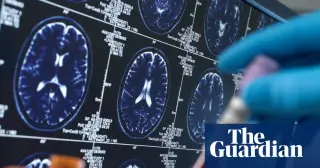
Researchers trained a machine-learning model on 815 MRI scans from the Alzheimer’s Disease Neuroimaging Initiative to distinguish healthy brains from mild cognitive impairment and Alzheimer’s, achieving 92.87% accuracy by measuring volume across 95 brain regions. The model highlights hippocampus, amygdala, and entorhinal cortex volume loss as strong indicators, with sex-related differences (left middle temporal cortex more affected in females; right entorhinal cortex in males). While promising for earlier detection and tailoring therapies, the study emphasizes the need for further validation and integration with other biomarkers before clinical use.

New Gut-Brain Link Points to ALS/FTD Treatments
science24 days ago

New Gut-Brain Link Points to ALS/FTD Treatments

Case Western Reserve University researchers report a gut-brain connection in ALS and frontotemporal dementia (FTD): harmful gut bacteria may produce inflammatory glycogen-like sugars that trigger immune responses damaging brain cells. In a study of 23 ALS/FTD patients, about 70% had high levels of these sugars versus roughly 33% of controls, suggesting gut microbes could act as an environmental trigger, especially in C9orf72 mutation carriers. The work identifies potential biomarkers and gut-targeted therapies, including degrading the sugars and modulating gut-brain signaling, with germ-free mouse models and a novel sterile housing system enabling larger-scale studies; preliminary results hint that reducing these sugars could improve brain health and may lead to clinical trials within a year.

Genetic clues could reshape PSP diagnosis and treatment after Jesse Jackson’s misdiagnosis
health28 days ago

Genetic clues could reshape PSP diagnosis and treatment after Jesse Jackson’s misdiagnosis

Rev. Jesse Jackson’s death after a PSP diagnosis highlights how progressive supranuclear palsy is often mistaken for Parkinson’s, due to overlapping symptoms and lack of PSP-specific tests or therapies. New genetic research links PERK mutations to PSP and identifies DLX1 as a potential biomarker and therapeutic target, suggesting future screening methods and drugs that could reduce DLX1 levels to improve diagnosis and outcomes.

Biomarkers Could Redefine Mental Health Diagnoses, APA Says
health28 days ago

Biomarkers Could Redefine Mental Health Diagnoses, APA Says

The American Psychiatric Association is exploring adding biological biomarkers to future DSM criteria to improve diagnosis and tailor treatments, a move that could streamline care and insurance decisions but is not yet ready for routine clinical use. The article notes potential biomarkers like inflammatory markers (e.g., C-reactive protein) that may predict antidepressant response, while stressing the need for coordinated, well-funded research, concerns about costs and privacy, and the risk of disparities in access. Experts say this signals the start of a possible shift in psychiatry, though substantial validation and policy work remain before widespread adoption.

Daily multivitamins linked to slower cellular aging in seniors
health29 days ago

Daily multivitamins linked to slower cellular aging in seniors

A two-year randomized trial of nearly 1,000 healthy older adults (average age ~70) found that daily multivitamin-mineral supplements slowed cellular aging by about four months, as measured by five epigenetic clock biomarkers. The effect was modest, and researchers caution that it’s not yet clear how this translates to real health outcomes; further studies are planned to assess clinical benefits.