
"Brain Hub's Key Role in Learned Response to Threats Identified by Researchers"
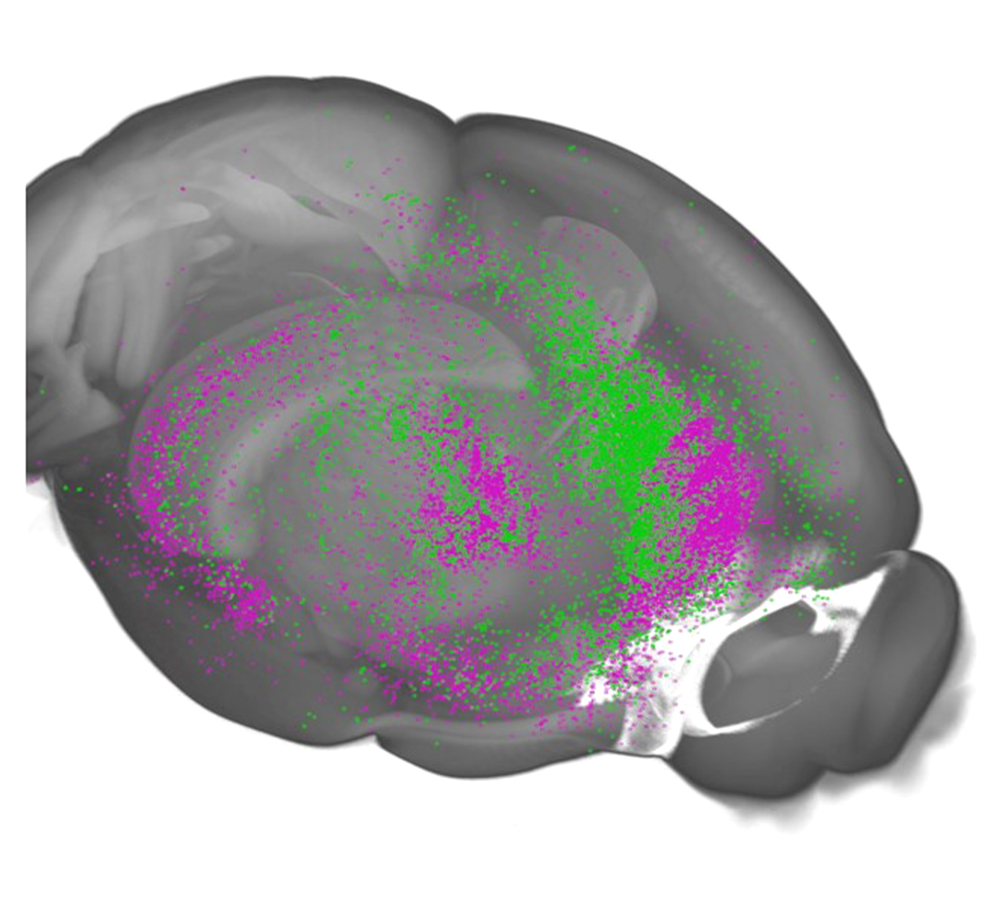
Researchers at the National Institute on Alcohol Abuse and Alcoholism have identified a region in the brain's frontal cortex that coordinates an animal's response to potentially traumatic situations, shedding light on the neural circuits involved in trauma-related and stress-related psychiatric disorders. The study, conducted in mice, focused on the dorsomedial prefrontal cortex (dmPFC) and found that this area plays a key role in processing social information and interpreting threats. Understanding how the brain processes direct experience of a threat compared to observing another's response may provide insight into trauma-related psychiatric disorders in humans, potentially informing prevention and treatment approaches for conditions such as alcohol use disorder.
Reading Insights
0
9
3 min
vs 4 min read
86%
782 → 106 words
Want the full story? Read the original article
Read on National Institutes of Health (NIH) (.gov)