
Cystic Fibrosis’s Final 10% Face Treatment Gap as New Therapies Stall
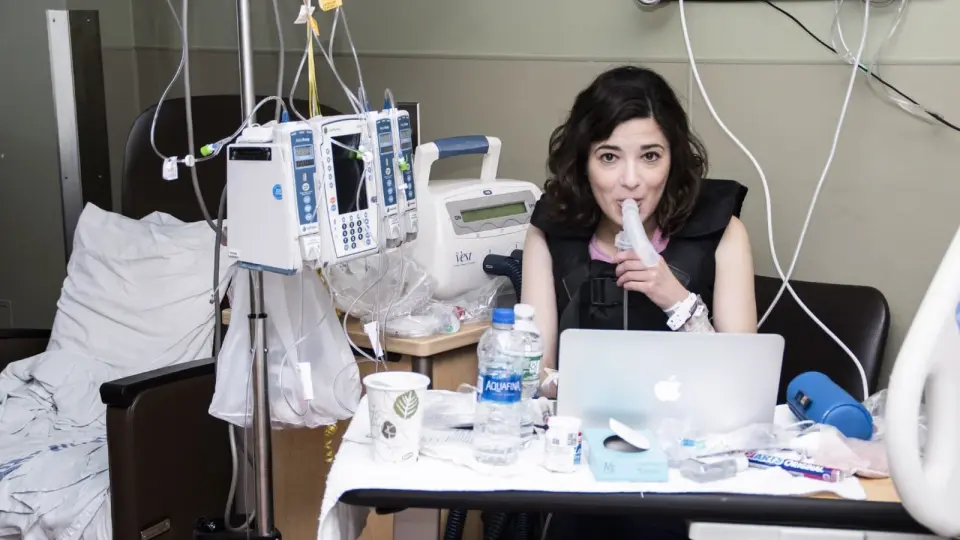
While 90% of cystic fibrosis (CF) patients benefit from Vertex Pharmaceuticals’ drugs Trikafta and Alyftrek, approximately 10% lack the specific genetic mutations required for these treatments to work. Emily’s Entourage, a nonprofit founded by patient Emily Kramer-Golinkoff, is funding research into alternative therapies, including gene treatments and antimicrobials, to address this gap. Recent setbacks, including halted trials by Vertex/Moderna and Boehringer Ingelheim, have delayed progress, but new approaches like Spirovant Sciences’ gene therapy and RNA-based methods offer hope. The foundation has raised over $22 million to support 51 projects, aiming to prevent the misconception that CF is fully cured and to accelerate treatments for rare genetic conditions.
Key points
- Approximately 10% of the 40,000 Americans with cystic fibrosis cannot benefit from current breakthrough drugs due to different genetic mutations.
- Emily’s Entourage has funded 51 research projects since 2011, raising over $22 million to develop therapies for this underserved group.
- Recent clinical trials for mRNA and gene therapies by Vertex/Moderna and Boehringer Ingelheim were halted due to tolerability issues and other setbacks.
- New approaches, including Spirovant Sciences’ gene therapy and RNA-based tRNA therapies, are being explored to bypass genetic limitations.
- The foundation is also investing in phages and antimicrobials to treat drug-resistant infections, which remain a fatal risk for CF patients.
Background
Cystic fibrosis has seen significant progress in the past decade, with Vertex Pharmaceuticals’ Trikafta transforming the disease for most patients. However, a subset of patients with rare mutations has been left behind. Recent research, including University of Toronto’s work on RNA-tRNA therapies, has shown promise in bypassing stop signals in CFTR mRNA, potentially offering a new avenue for treatment. Additionally, the FDA’s approval of custom-made drugs for rare conditions, as seen in the 'Baby KJ' case, has spurred regulatory changes that could benefit CF patients with unique mutations.
Why it matters
The failure of current treatments for 10% of CF patients highlights the limitations of one-size-fits-all approaches in rare disease management. Progress for this group could inform treatments for other rare genetic conditions, such as Duchenne muscular dystrophy and Rett syndrome. Additionally, the challenge of delivering drugs to the lungs, an organ designed to keep substances out, presents a significant scientific hurdle that, if overcome, could advance treatments for other respiratory and genetic disorders.
What to watch
Emily’s Entourage continues to fund research into gene therapies, antisense oligonucleotides, and antimicrobials. Spirovant Sciences’ gene therapy is in early-stage clinical trials, and RNA-based tRNA therapies are moving toward clinical trials in 2-3 years. Regulatory changes aimed at allowing custom-made drugs for individual patients may also accelerate development for rare mutations.
Want the full story? Read the original reporting
Read on CNBC