Tag

Rare Diseases

All articles tagged with #rare diseases

Cystic Fibrosis’s Final 10% Face Treatment Gap as New Therapies Stall
health-and-science8 days ago

Cystic Fibrosis’s Final 10% Face Treatment Gap as New Therapies Stall

While 90% of cystic fibrosis (CF) patients benefit from Vertex Pharmaceuticals’ drugs Trikafta and Alyftrek, approximately 10% lack the specific genetic mutations required for these treatments to work. Emily’s Entourage, a nonprofit founded by patient Emily Kramer-Golinkoff, is funding research into alternative therapies, including gene treatments and antimicrobials, to address this gap. Recent setbacks, including halted trials by Vertex/Moderna and Boehringer Ingelheim, have delayed progress, but new approaches like Spirovant Sciences’ gene therapy and RNA-based methods offer hope. The foundation has raised over $22 million to support 51 projects, aiming to prevent the misconception that CF is fully cured and to accelerate treatments for rare genetic conditions.

Kent mother urges wider recognition of childhood dementia after daughter’s rare diagnosis
health16 days ago

Kent mother urges wider recognition of childhood dementia after daughter’s rare diagnosis

Emily, a mother from Sevenoaks, is campaigning for greater public awareness of childhood dementia after her two-year-old daughter, Leni, was diagnosed with Sanfilippo Syndrome. The rare genetic disorder causes severe cognitive and motor decline, typically beginning around age three. While no cure exists, Emily hopes Leni can participate in a clinical trial later this year. The MPS Society emphasizes that broader recognition could improve diagnosis speeds, support access, and research funding. The Department of Health and Social Care stated it is working to accelerate diagnoses and improve understanding of neurodegenerative conditions.

DeepMind’s AlphaGenome Atlas Maps 9 Billion DNA Mutations to Accelerate Disease Research
science-and-technology1 month ago

DeepMind’s AlphaGenome Atlas Maps 9 Billion DNA Mutations to Accelerate Disease Research

Google DeepMind has released the AlphaGenome Atlas, a 1-petabyte database predicting the biological effects of all 9 billion possible single-nucleotide variants in the human genome. The tool, available for non-commercial use, features an AlphaGenome Variant Impact (AVI) score to help researchers prioritize mutations for rare disease diagnosis and complex trait analysis without requiring coding expertise.

AI helps crack 18 undiagnosed pediatric cases at Boston Children’s Hospital
health3 months ago

AI helps crack 18 undiagnosed pediatric cases at Boston Children’s Hospital

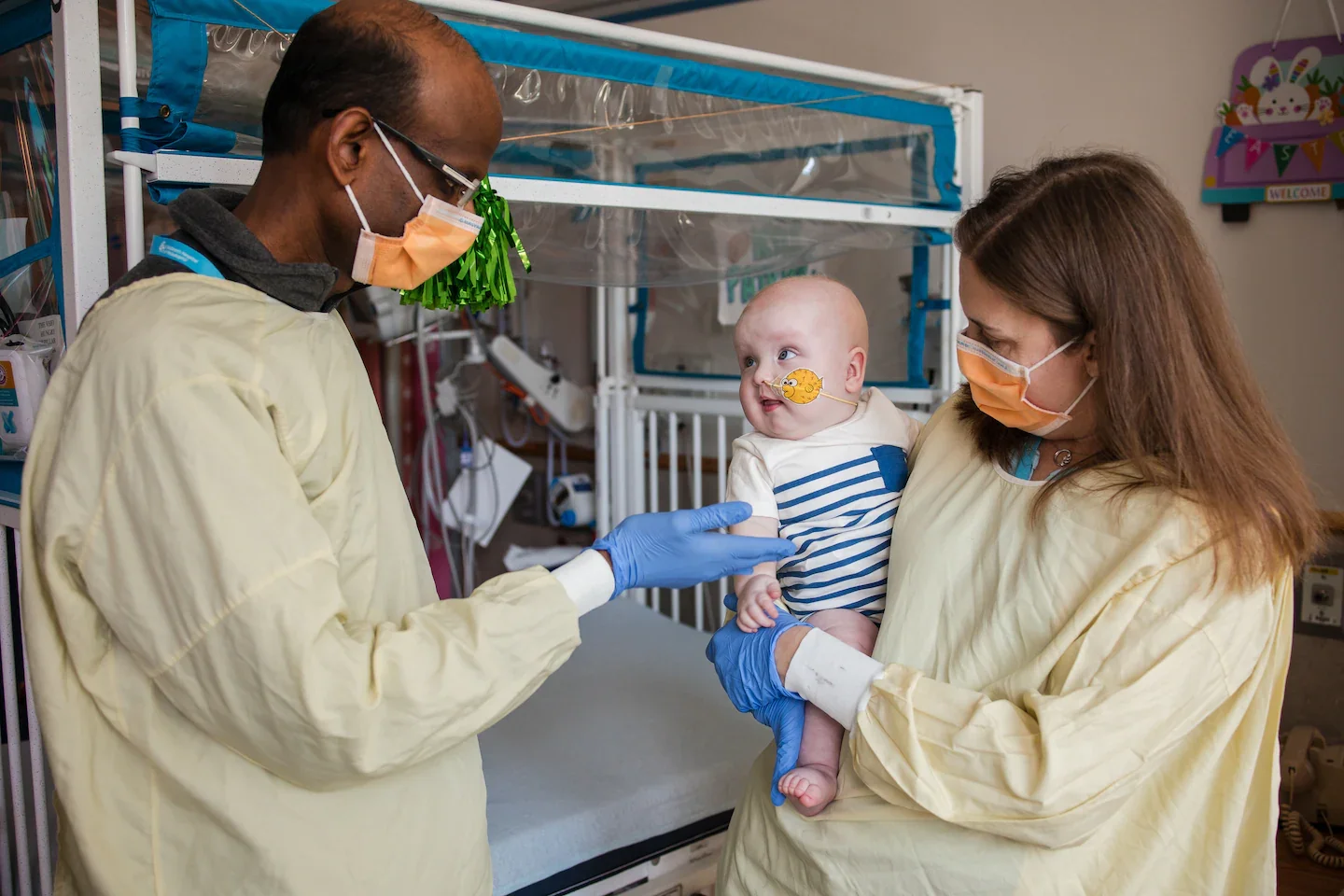
Researchers at Boston Children’s Hospital used OpenAI’s o3 Deep Research to analyze hundreds of genomes and clinicians’ notes, diagnosing 18 previously undiagnosed children with rare neurodevelopmental, neuromuscular, and early psychosis conditions. In a study of 376 undiagnosed cases, the AI system helped identify new diagnoses in about 5% of cases, dramatically shortening the path to answers when used in collaboration with clinicians. Experts caution that AI is not a universal cure or replacement for human review and should be used as a tool to navigate complex genetic information.

Single CAR-T dose neutralizes rare trio of autoimmune diseases
science6 months ago

Single CAR-T dose neutralizes rare trio of autoimmune diseases

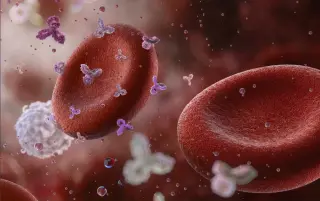
A 47-year-old woman with three autoimmune diseases caused by B-cell antibodies—autoimmune hemolytic anemia, immune thrombocytopenia, and antiphospholipid syndrome—was treated with a single dose of engineered CAR-T cells after failing multiple therapies. Following targeted conditioning chemotherapy, her blood counts normalized within a month, and 14 months later she remains symptom-free and off all medications, suggesting CAR-T therapy could offer a one-off cure for some autoimmune conditions, though this is a single case and long-term safety and applicability need further study.

AI-Driven Repurposing Stakes a New Path for Rare Diseases
health6 months ago

AI-Driven Repurposing Stakes a New Path for Rare Diseases

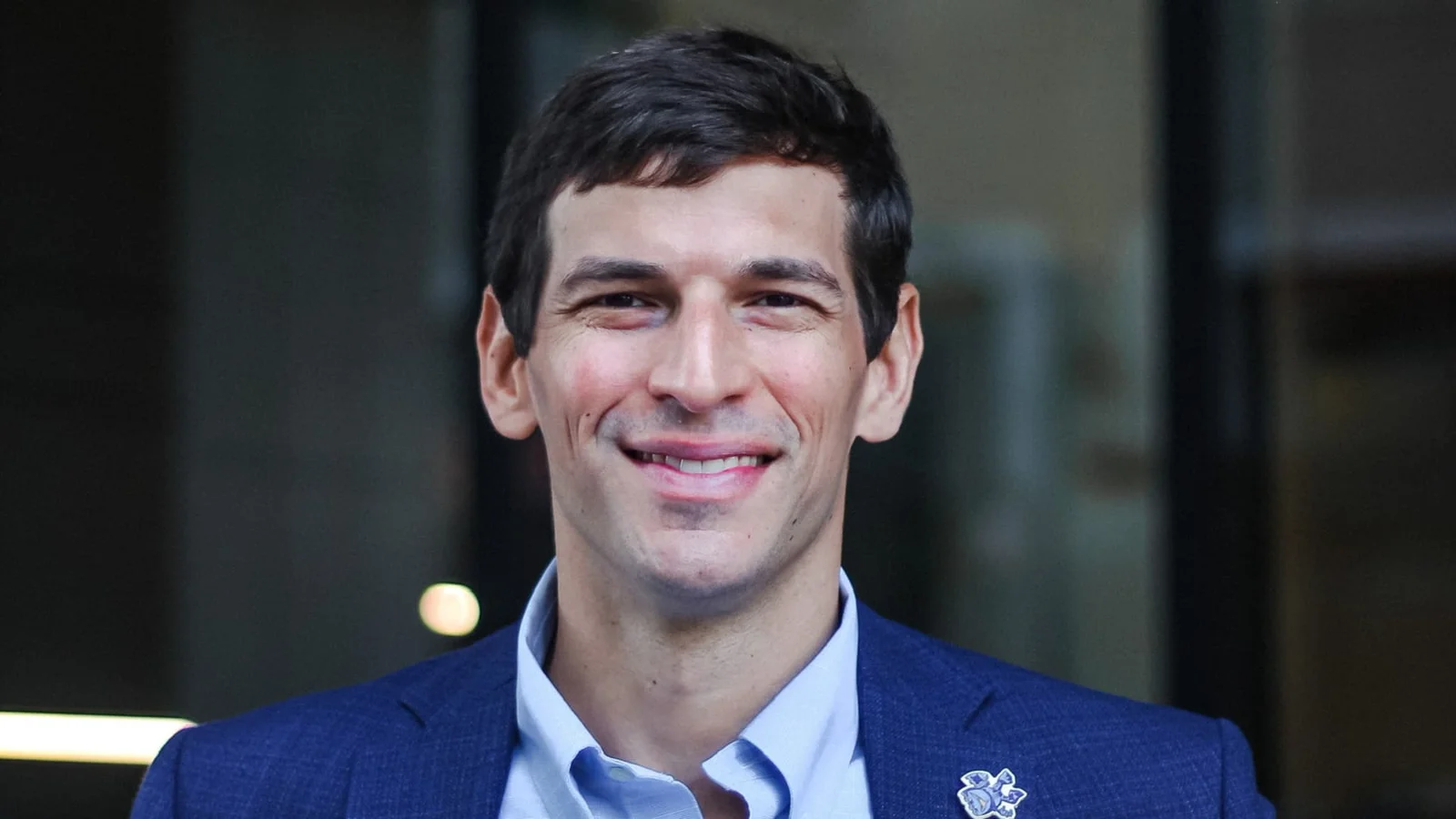
Every Cure, founded by Dr. David Fajgenbaum, uses AI to scan existing drugs for new uses across thousands of rare diseases, pursuing a disease-agnostic approach that links patients with potential treatments rather than funding specific conditions; after early fundraising hurdles, it gained major support from the Chan Zuckerberg Initiative, Lydia Hill Foundation, Flagship Pioneering, Arnold Ventures, TED’s Audacious Project, and ARPA-H, enabling 10 active programs and a goal of 15–25 diseases treated by 2030. The AI process cuts screening time from 100 days to about 17 hours, evaluating roughly 4,000 drugs against 18,000 diseases (about 75 million matches) before a medical team selects candidates for lab work and trials costing roughly $3–7 million per drug. A recent success example is Bachmann-Bupp syndrome, where an old drug produced meaningful improvements in five of six treated patients. Fajgenbaum stresses repurposing complements novel drug development, though patent life, manufacturing, FDA/insurance hurdles, and off-label prescribing shape the path to patient access.

Grand Canyon trip uncovers a rare syndrome after arthritis misdiagnosis
health7 months ago

Grand Canyon trip uncovers a rare syndrome after arthritis misdiagnosis

A healthy 55-year-old man developed neck and foot stiffness during a two‑week Grand Canyon rafting trip, followed by painful swelling in his shoulders and hands after returning home, leading doctors to misdiagnose his condition as arthritis. Subtle clues eventually revealed a rare syndrome, illustrating how early symptoms can mislead clinicians and delay a correct diagnosis in medicine.

Brighton doctor launches AI-powered charity to repurpose drugs for ultra-rare brain disorder
health7 months ago

Brighton doctor launches AI-powered charity to repurpose drugs for ultra-rare brain disorder

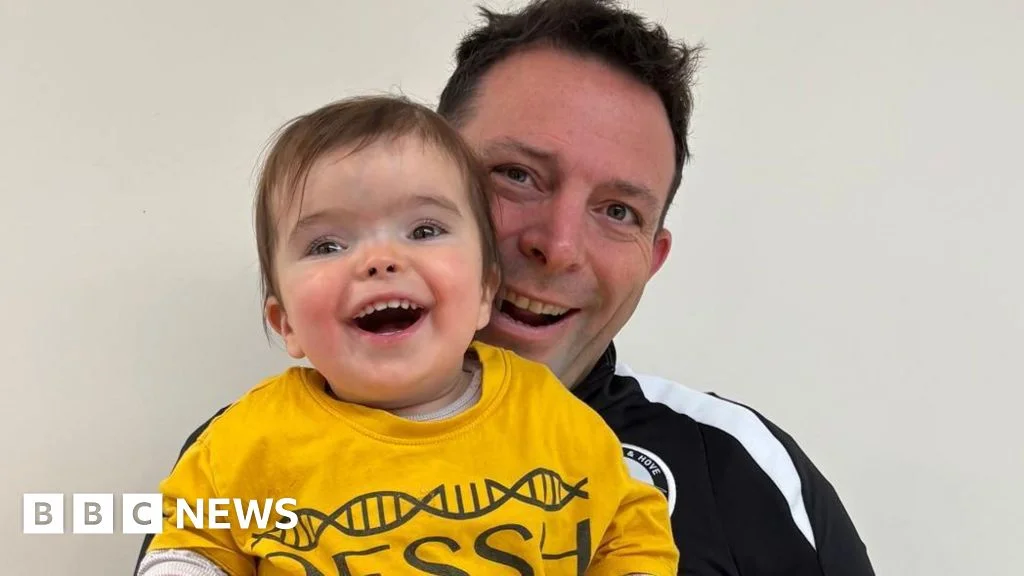
A Brighton emergency physician, Prof Rob Galloway, launches Rare People - The Research Charity after his daughter Frankie is diagnosed with the ultra-rare DeSanto Shinawi syndrome. The charity will fund clinical trials of repurposed medicines identified by artificial intelligence to treat rare genetic brain disorders, inspired by Mayo Clinic cell studies suggesting possible benefit from an epilepsy drug. The aim is to include UK children in trials and, eventually, expand to adults, with support from Brighton & Hove Albion FC at the launch.

Situs inversus: understanding Catherine O’Hara’s mirrored anatomy
health8 months ago

Situs inversus: understanding Catherine O’Hara’s mirrored anatomy

The Washington Post WellBeing piece explains situs inversus, a rare condition in which internal organs are mirrored from their usual positions. Catherine O’Hara was born with it, a condition sometimes manifested as dextrocardia (the heart on the right side). For most people with situs inversus, there are few or no symptoms and the condition is often discovered incidentally, with health implications varying depending on any associated anomalies.

Gene therapies promise cures, but getting them to patients remains a bottleneck
health9 months ago

Gene therapies promise cures, but getting them to patients remains a bottleneck

Gene therapies are moving from trials toward patient care, with breakthroughs like personalized CRISPR treatments and new gene-editing tools powering hope for many diseases; however, turning lab successes into approved, accessible medicines is hampered by regulatory, manufacturing, safety, and cost challenges, leaving access uneven despite progress.