
Daily Peanuts May Enhance Brain Insulin Response in Older Adults, Study Finds
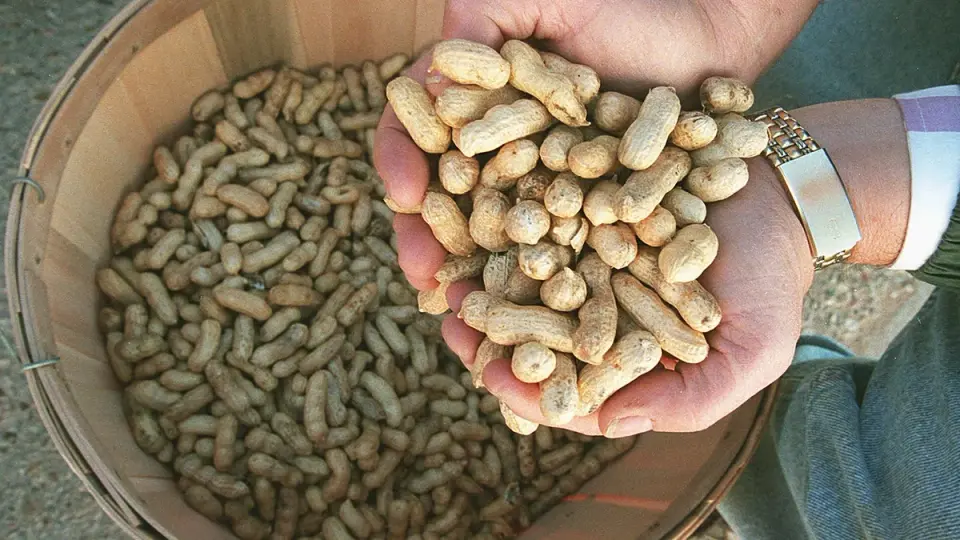
A 16-week trial at Maastricht University found that eating 60 grams of unsalted peanuts daily improved insulin responsiveness in memory-related brain regions among adults aged 60 to 75. While the study suggests potential benefits for cognitive health, researchers emphasize that these findings do not prove peanuts prevent dementia.
Key points
- The study involved 31 healthy participants aged 60 to 75 who consumed 60 grams of roasted, unsalted peanuts daily for 16 weeks.
- Researchers used intranasal insulin and arterial spin labeling MRI to measure changes in cerebral blood flow, finding improved responses in the right hemisphere's hippocampus and other memory areas.
- Previous research by the same team in 2025 showed a 3.6% increase in total brain blood flow and a 5.8% improvement in verbal memory following the same intervention.
- Peanuts contain L-arginine, which produces nitric oxide, a compound linked to blood vessel regulation and memory processes.
- The study was funded by The Peanut Institute Foundation, though the funder had no role in the study's design or analysis.
Background
This finding builds on earlier 2025 research by the same Maastricht team, which highlighted improvements in verbal memory and cerebral blood flow. It also aligns with broader discussions on dietary interventions for brain health, such as recent advice on consuming fatty fish for omega-3 benefits. While unrelated to the specific mechanism of peanuts, recent studies on hippocampal function under anesthesia and brain evolution provide background on the complexity of memory-related neural processes.
How outlets are covering it
Euronews and Mid-Day focus on the potential of peanuts to counteract age-related cognitive decline by improving insulin sensitivity, emphasizing the nutritional profile of the food. SciTechDaily provides a more detailed technical breakdown, highlighting the randomized crossover design and specific brain regions affected, while also noting the study's funding source. All sources agree that while the results are promising, the sample size is small and further research is needed to confirm long-term protective effects against dementia. No significant disagreements exist among the outlets regarding the core findings, but SciTechDaily offers more granular detail on the methodology and specific neural clusters involved.
Why it matters
Understanding how common dietary habits like peanut consumption can influence brain health offers a potential, accessible strategy for mitigating age-related cognitive decline. If confirmed in larger studies, this could provide a simple, cost-effective intervention for maintaining memory and neural communication in older adults.
What to watch
Researchers call for larger-scale, long-term studies to determine if the observed improvements in insulin responsiveness translate into sustained cognitive benefits and protection against Alzheimer's or other dementia disorders. Further investigation is needed to clarify the extent to which specific nutrients in peanuts contribute to these effects.
- What happens to the brain when you eat peanuts daily? New study reveals striking results Euronews.com
- Scientists Discover That Eating Peanuts Every Day May Help Protect the Aging Brain SciTechDaily
- New Research Finds Daily Peanut Consumption Benefits Brain's Response to Insulin in Memory Related Regions Morningstar
- Daily peanuts may support cognitive health as you age, researchers find Mid-Day
Want the full story? Read the original reporting
Read on Euronews.com