Tag

Insulin Sensitivity

All articles tagged with #insulin sensitivity

Daily Peanuts May Enhance Brain Insulin Response in Older Adults, Study Finds
health-and-science24 days ago

Daily Peanuts May Enhance Brain Insulin Response in Older Adults, Study Finds

A 16-week trial at Maastricht University found that eating 60 grams of unsalted peanuts daily improved insulin responsiveness in memory-related brain regions among adults aged 60 to 75. While the study suggests potential benefits for cognitive health, researchers emphasize that these findings do not prove peanuts prevent dementia.

health-and-science27 days ago

Daily Peanut Consumption May Boost Brain Insulin Sensitivity in Older Adults

A 16-week trial at Maastricht University Medical Center found that eating 60 grams of unsalted, skin-roasted peanuts daily improved insulin responsiveness in memory-related brain regions among adults aged 60 to 75. The study, published in Food & Function, suggests this dietary habit may help counteract age-related cognitive decline by enhancing cerebral blood flow and neural communication.

Strengthen Your Thighs to Help Extend Your Life
health4 months ago

Strengthen Your Thighs to Help Extend Your Life

A nutritionist argues that stronger thigh muscles can help with blood sugar control, heart health, and brain function, potentially contributing to longevity. She recommends leg-strengthening exercises such as squats, lunges, calf raises, and deadlifts 2–3 times a week, along with overall healthy habits like protein-rich nutrition, hydration, sleep, and stretching.

Intermittent Fasting: A Gut-Rest, Energy-Boosting Tool, Not a Weight-Loss Shortcut
wellness5 months ago

Intermittent Fasting: A Gut-Rest, Energy-Boosting Tool, Not a Weight-Loss Shortcut

Intermittent fasting is not a weight-loss diet but a structured eating window that rests the digestive system, reduces inflammation, and may improve insulin sensitivity, blood sugar, sleep, and mental energy; however, weight loss still depends on total calories and diet quality, and fasting isn’t ideal for athletes or during healing—use a consistent 8–12 hour window and tailor to your health needs.

Five daily habits to lower liver enzymes and shield against fatty liver disease
lifestyle5 months ago

Five daily habits to lower liver enzymes and shield against fatty liver disease

Dr. Kunal Sood outlines five daily habits—coffee, omega-3s, berberine, adequate protein at each meal (30–40 g), and walking after meals—to help lower liver enzymes and protect against non-alcoholic fatty liver disease, while stressing that the biggest gains come from improving insulin sensitivity, regular exercise, reducing refined carbohydrates and alcohol, and weight management when needed.

Nighttime meals disrupt hormones, sleep, and weight, nutritionist says
lifestyle5 months ago

Nighttime meals disrupt hormones, sleep, and weight, nutritionist says

A nutritionist explains that regularly eating large meals close to bedtime can disrupt the circadian rhythm, impair insulin sensitivity, and reduce sleep quality, potentially complicating long‑term weight management. However, outcomes depend on total calories, food quality, sleep, stress, and activity, so a sustainable approach is to eat a balanced dinner a few hours before bed and avoid fear‑based rules.

Olive-Oil Fat Protects Against Diabetes While Palm Fat Hurts Insulin, Study Says
health6 months ago

Olive-Oil Fat Protects Against Diabetes While Palm Fat Hurts Insulin, Study Says

A new review from the University of Barcelona finds that palmitic acid (a saturated fat) impairs insulin sensitivity and promotes inflammation, while oleic acid (a monounsaturated fat common in olive oil) improves insulin signaling and fat handling, suggesting fat quality matters more than total fat intake and helping explain the diabetes-protective associations of Mediterranean diets; more research is needed to resolve conflicting epidemiological results and consider fat source and processing.

health8 months ago

Women, Lift Strong: How Strength Training Boosts Metabolism, Hormones and Bone Health

Nutritionist Nmami Agarwal explains that strength training, which can be done without a gym, builds muscle, ligaments, and bone density while improving metabolism and insulin sensitivity, supporting hormonal balance and reducing injury risk—empowering women to become metabolically smarter, hormonally happier, and physically stronger.

Strength Without Age: Why Lifting Heavy Pays Off as We Grow Older
health9 months ago

Strength Without Age: Why Lifting Heavy Pays Off as We Grow Older

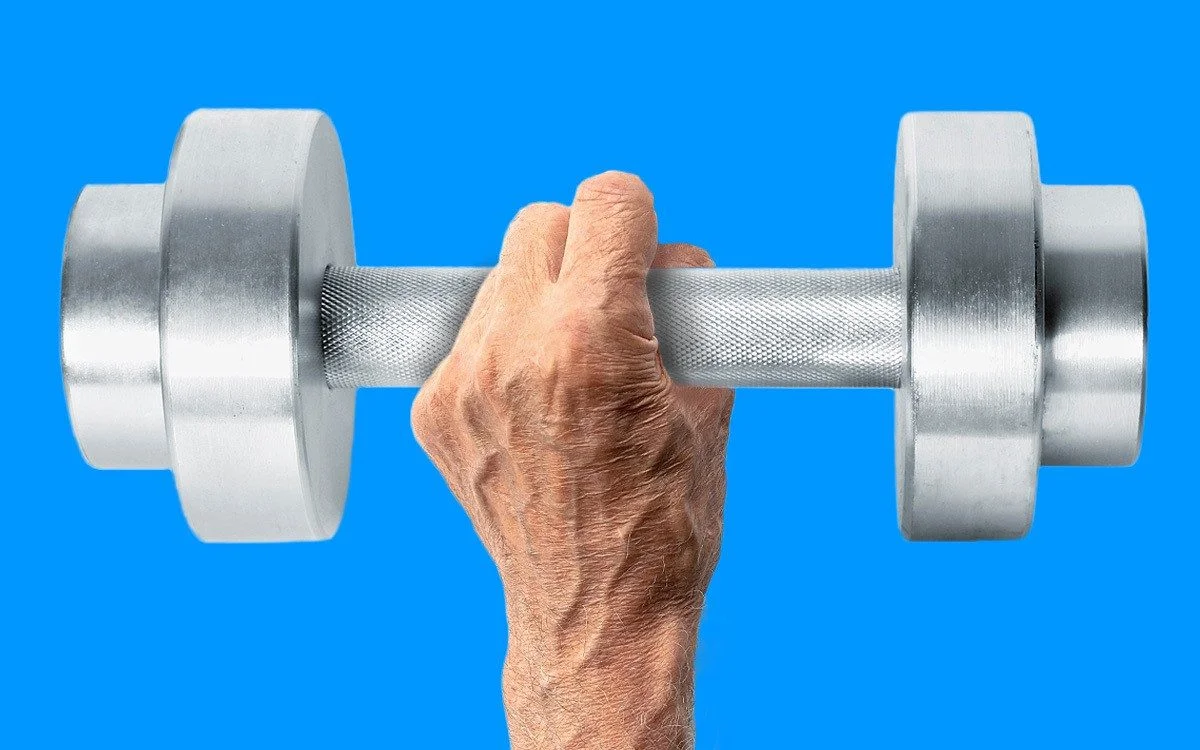
Regular heavy lifting offers aging adults multiple benefits: increased muscle, better insulin sensitivity, stronger bones, improved cardiovascular health, and enhanced cognitive function and sleep. A quiet revolution in strength-training is challenging the “old and frail” stereotype, with stories of older lifters and compelling mental-health gains. Safety hinges on coaching, proper technique, and gradual progression, including a three-month plan to move from 6–8 reps to 2–4 reps as strength increases, focusing on push, pull, hinge, squat, lunge, and carry movements.

Weightlifting Outshines Running for Diabetes Prevention in Mice, Study Finds
health9 months ago

Weightlifting Outshines Running for Diabetes Prevention in Mice, Study Finds

Virginia Tech researchers report in a high-fat-diet mouse model that resistance training (weightlifting) reduces abdominal and visceral fat, improves glucose tolerance, and enhances insulin sensitivity more than voluntary running, though both exercise types help; the findings suggest combining endurance and resistance training for the strongest protection against obesity and type 2 diabetes.

Lower ultraprocessed foods improve metabolic health in older adults
health10 months ago

Lower ultraprocessed foods improve metabolic health in older adults

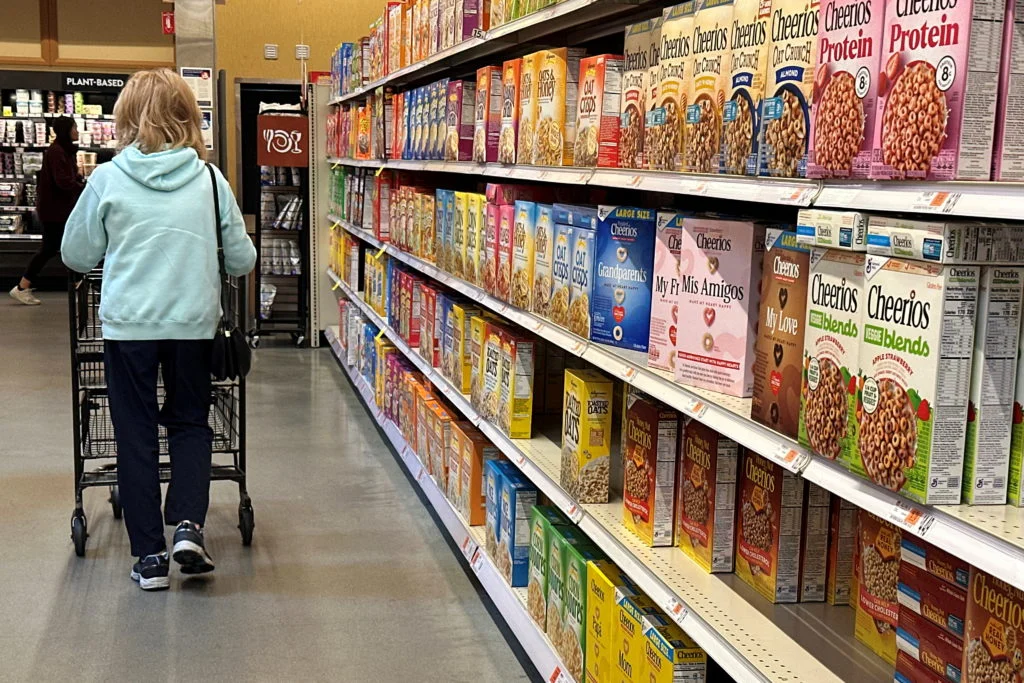
A small real-world feeding study of adults 65+ found that reducing ultraprocessed foods to under 15% of calories—while keeping total calories and nutrients constant—led to weight loss, reduced abdominal fat, improved insulin sensitivity, healthier cholesterol levels, lower inflammation, and favorable changes in appetite/metabolism hormones; benefits were similar on a meat-based or vegetarian plan. The study was limited by its small size and wasn’t designed to prove disease prevention; longer, larger studies are needed.

Reducing Ultra-Processed Foods Improves Metabolic Health in Older Adults
health10 months ago

Reducing Ultra-Processed Foods Improves Metabolic Health in Older Adults

In a small, real-world feeding study of adults 65 and older, lowering ultra-processed foods to under 15% of calories (via two eight‑week diets—one meat-based, one vegetarian with dairy) led to natural calorie reductions, weight and abdominal fat loss, and improvements in insulin sensitivity, cholesterol, inflammation, and appetite/metabolism hormones, with similar benefits across both diet types; the study suggests realistic dietary shifts away from ultra-processed foods can boost metabolic health in aging populations, though larger, longer trials are needed.