
Focusing on pain may actually reduce inflammation, new study finds
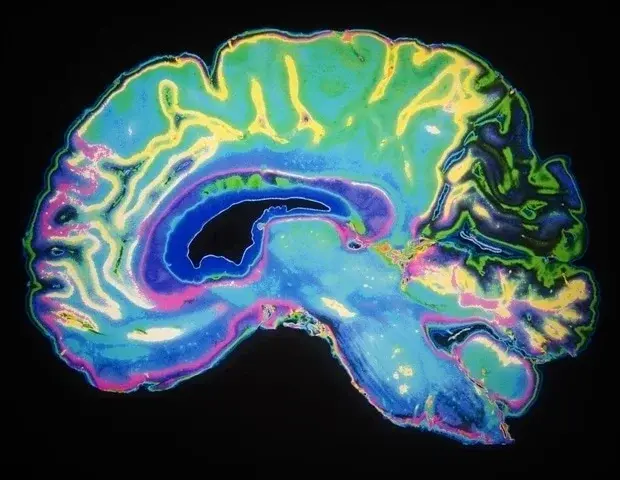
A new study from Bar-Ilan University demonstrates that voluntarily focusing attention on bodily sensations can actively reduce the body's inflammatory response. Published in Nature Human Behaviour, the research shows that directing attention inward leads to smaller and faster-resolving inflammation compared to distraction, challenging the common belief that distraction is the best way to manage pain.
Key points
- Study led by Dr. Nofar Mizrachi and Dr. Liron Rozenkrantz at Bar-Ilan University involved 57 healthy volunteers across three pre-registered experiments.
- Participants underwent a histamine skin prick test to induce acute inflammation, then either focused on the sensation or were distracted by videos or tasks.
- Inflamed areas showed approximately 1.5-fold smaller responses when participants focused on the sensation, with nearly 90% of participants showing this pattern.
- The effect was linked to two mechanisms: sensory modulation of inflammation signals and increased parasympathetic vagal activity.
- The findings suggest that attention can influence immune regulation, not just perception, but further research is needed to determine applicability to chronic conditions.
Background
Previous research has established that attention can alter the perception of pain and itch, but it was unclear whether this cognitive modulation extended to downstream biological processes like immune responses. This study builds on theoretical frameworks suggesting that the brain actively regulates physiological stability through predictive control and autonomic pathways, rather than passively receiving sensory information.
How outlets are covering it
News-Medical and Euronews both highlight the surprising nature of the findings, emphasizing that focusing on pain may be more effective than distraction. The Nature article provides detailed statistical evidence, including specific measurements of wheal and flare responses, and discusses the dual mechanisms of sensory and top-down pathways. All sources agree on the robustness of the effect across participants but caution that the study used a controlled model of acute skin inflammation and does not necessarily apply to chronic inflammation or autoimmune diseases.
Why it matters
This research challenges the conventional wisdom that distracting oneself from pain is the best approach. If attention can actively regulate immune responses, it could have implications for pain management, stress reduction, and potentially the development of new therapeutic interventions that leverage cognitive processes to influence biological outcomes.
What to watch
The researchers plan to identify the precise brain and immune pathways involved in this effect and determine whether similar mechanisms apply to other physiological systems and chronic conditions. Further studies will be needed to test the generalizability of these findings to real-world situations and longer-term inflammatory responses.
- New study shows attention actively shapes the body's inflammation News-Medical
- Voluntary attention regulates acute immune responses in humans Nature
- Feel the burn: 90% of people heal faster by focusing on their pain — Israeli study The Times of Israel
- Your attention can influence your immune response, research finds Euronews.com
- Attention can regulate acute inflammation in humans (IMAGE) EurekAlert!
Want the full story? Read the original reporting
Read on News-Medical