
Global Nutritionists Launch Plant-Focused Pyramid to Counter Trump Administration’s Meat-Centric Guidelines
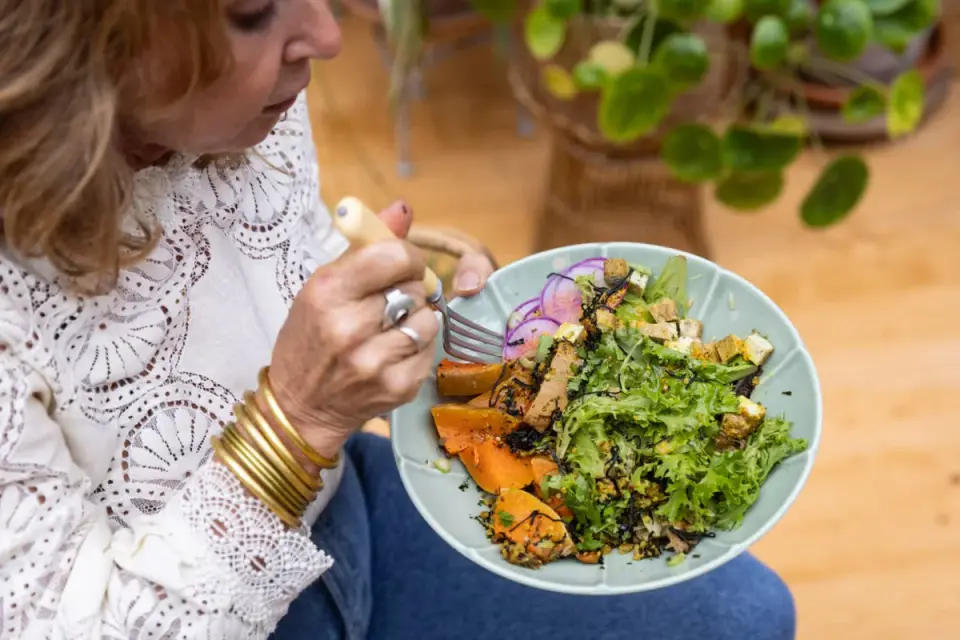
A coalition of 22 international nutritionists has released a new food pyramid that prioritizes plant-based proteins, whole grains, and healthy oils, directly contradicting the Trump administration’s recent dietary advice which emphasizes red meat. The new guidance, endorsed by experts from Europe, Canada, the U.S., and Australia, highlights the health risks of saturated fats and the environmental impact of livestock. While the pyramid aligns with older U.S. advice on sugar limits, it differs from current official guidance that focuses on per-meal sugar caps. Experts acknowledge that high food costs remain a significant barrier to adopting these healthier habits.
Key points
- The new pyramid places vegetables, fruits, and low-glycemic-index grains at the base, emphasizing plant-based proteins like beans, lentils, fish, and poultry over red and processed meats.
- It recommends using canola or olive oil for cooking instead of animal fats such as butter or tallow, citing decades of research linking high red meat consumption to heart disease and cancer.
- The guidance acknowledges the environmental impact of the livestock industry, noting its contribution to carbon and methane emissions, a perspective absent from the current U.S. official stance.
- Sugar intake is recommended to stay below 10 percent of total calories, contrasting with the Trump administration’s recent shift to a limit of 10 grams of added sugar per meal.
- Co-authors, including University of Toronto professor David Jenkins and Paderborn University professor Anette Buyken, emphasize that soaring global food costs make it difficult for individuals to implement these dietary changes without supportive food environments.
Background
This development follows the Trump administration’s release of updated nutritional guidelines earlier in 2026, which aligned with Health Secretary Robert F. Kennedy Jr.’s 'MAHA' agenda. These official guidelines prioritized red meat and shifted sugar recommendations to a per-meal metric, moving away from the percentage-of-calories approach used in previous U.S. guidance. The new international pyramid represents a return to traditional dietary frameworks that have been used in the U.S. for decades, but with an added focus on planetary health.
How outlets are covering it
The primary source, The Independent, frames the new pyramid as a direct counter to the Trump administration’s advice, highlighting the conflict between international scientific consensus and current U.S. policy. The secondary source, also from The Independent, emphasizes the 'brutal blow' to RFK Jr.’s crusade, focusing on the rejection of red meat prioritization. Both sources agree on the core recommendations but differ in emphasis: the primary source details the specific food groups and environmental arguments, while the secondary source focuses more on the political conflict and the barrier of food costs. No other outlets were provided to compare, so the perspective is limited to The Independent’s coverage.
Why it matters
The release of this international food pyramid signals a significant divergence between global scientific consensus and U.S. federal dietary policy. It underscores the ongoing debate over the role of red meat in a healthy diet and the importance of considering environmental impacts in nutritional guidance. For consumers, it provides an alternative framework that prioritizes long-term health and sustainability, though its practicality is challenged by economic factors like rising food prices.
What to watch
The next steps will likely involve public and political reaction to the new pyramid, particularly from the Trump administration and Health Secretary RFK Jr. It may also influence how other countries and international bodies approach dietary guidelines. Additionally, the focus on food costs may lead to calls for policy changes that make healthier foods more accessible and affordable.
Want the full story? Read the original reporting
Read on The Independent