Tag

Food Science

All articles tagged with #food science

Nutritionists Reassess Potatoes, Peanuts, and Full-Fat Dairy as Health Beneficial
health-and-wellness5 days ago

Nutritionists Reassess Potatoes, Peanuts, and Full-Fat Dairy as Health Beneficial

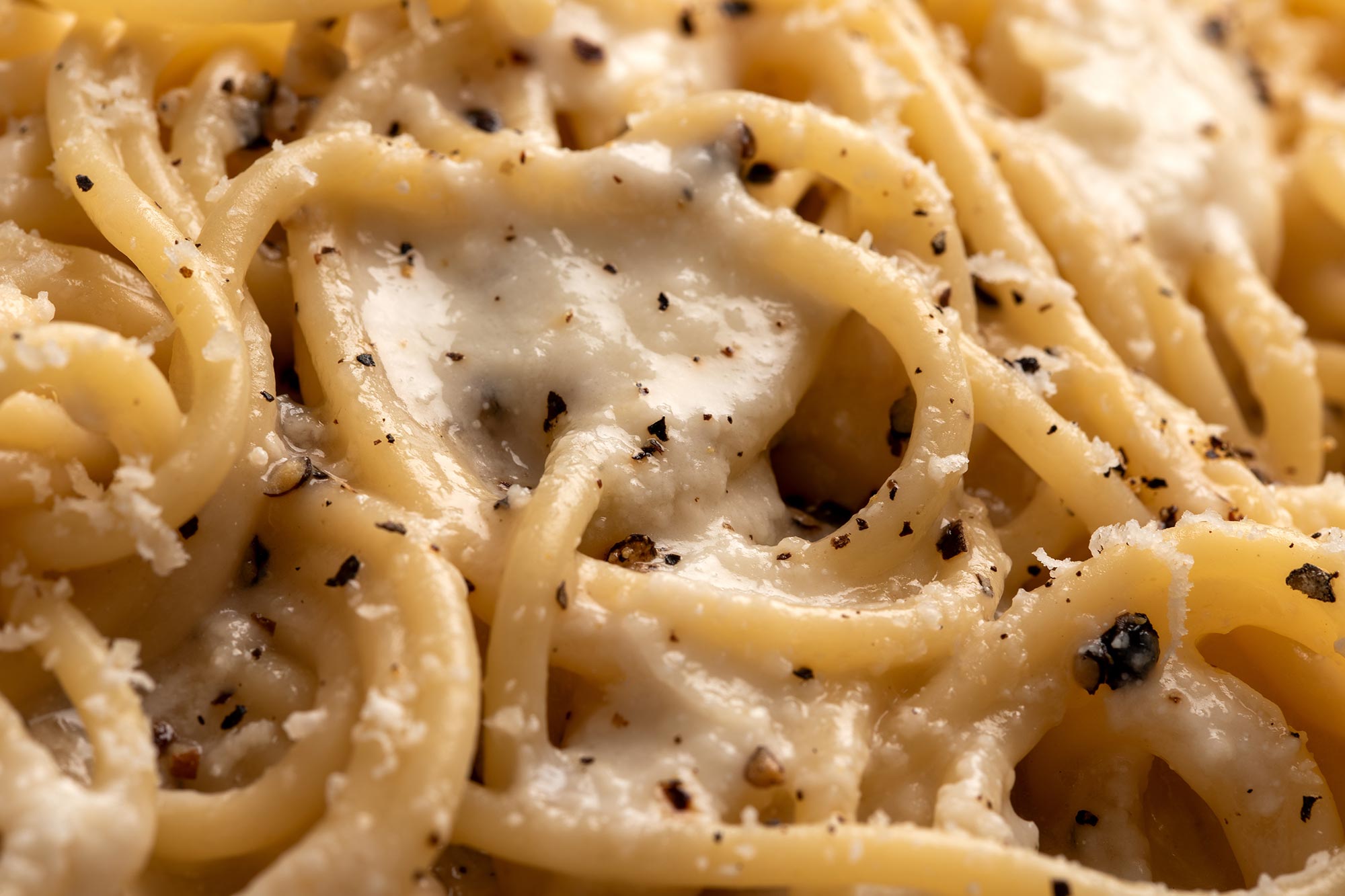
A New York Post article challenges common dietary stigmas, arguing that potatoes, peanuts, full-fat dairy, and cheese offer significant health benefits when consumed in moderation. The piece cites recent studies suggesting these foods can improve heart health, lower disease risks, and support gut function, contradicting the view that they are inherently unhealthy.
science-and-health15 days ago

Tofu Tops 20-Food Protein Ranking in New Cambridge Sustainability Study

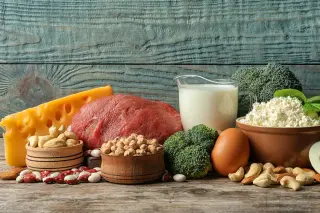
A new study published in Frontiers in Sustainable Food Systems ranks tofu as the superior protein source among 20 common foods. The research, led by Dr. Chris Macdonald of the Better Protein Institute, utilizes a holistic framework that evaluates health, affordability, availability, and environmental impact. Tofu achieved the highest score due to its complete amino acid profile and minimal environmental footprint, while cheddar cheese ranked last. The findings highlight a clear divide, with plant-based foods occupying the top tier and animal-based products the bottom tier.

Boiling broccoli drains key nutrients; steaming and prep tricks preserve health benefits
health15 days ago

Boiling broccoli drains key nutrients; steaming and prep tricks preserve health benefits

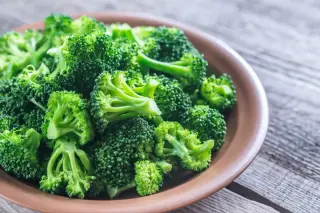
Boiling broccoli causes significant loss of water-soluble nutrients like vitamin C and glucoraphanin, which leach into the cooking water. Experts recommend steaming or microwaving to preserve enzymes and antioxidants. Simple prep steps, such as chopping broccoli and letting it rest for 30-40 minutes before cooking or adding mustard powder, can help retain beneficial compounds like sulforaphane. While research on broccoli’s cancer-fighting properties remains largely preclinical, dietitians emphasize that eating broccoli in any form is superior to processed alternatives.

Lancet study warns plant-based milk swaps risk iodine deficiency in UK women
health22 days ago

Lancet study warns plant-based milk swaps risk iodine deficiency in UK women

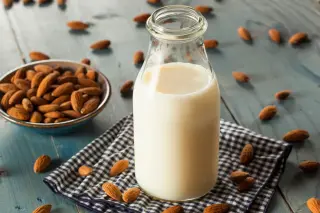
A new study in The Lancet Planetary Health indicates that replacing dairy with plant-based alternatives may lead to significant micronutrient deficiencies, particularly iodine, among UK women and adolescents. While cow's milk provides essential nutrients like calcium and B12, many plant-based substitutes lack these unless specifically fortified. Experts recommend choosing fortified soya or pea milk for those avoiding dairy, noting that current fortification levels in the market are insufficient to prevent widespread nutrient gaps.

Global Nutritionists Launch Plant-Focused Pyramid to Counter Trump Administration’s Meat-Centric Guidelines

Global Nutritionists Launch Plant-Focused Pyramid to Counter Trump Administration’s Meat-Centric Guidelines

A coalition of 22 international nutritionists has released a new food pyramid that prioritizes plant-based proteins, whole grains, and healthy oils, directly contradicting the Trump administration’s recent dietary advice which emphasizes red meat. The new guidance, endorsed by experts from Europe, Canada, the U.S., and Australia, highlights the health risks of saturated fats and the environmental impact of livestock. While the pyramid aligns with older U.S. advice on sugar limits, it differs from current official guidance that focuses on per-meal sugar caps. Experts acknowledge that high food costs remain a significant barrier to adopting these healthier habits.

Dessert Flipping: A New Approach to Making Treats Healthier Without Changing Ingredients

Dessert Flipping: A New Approach to Making Treats Healthier Without Changing Ingredients

The Washington Post explores the concept of 'dessert flipping,' a strategy that aims to improve the nutritional profile of common sweets like cake and ice cream without altering their core ingredients. The article suggests that by adjusting how healthy components like nuts and fruit are incorporated, rather than just using them as garnishes, individuals can make their favorite desserts more nutritious.

Breville Eye Q Toaster Uses Optical Sensors to Automate Browning
technology-and-lifestyle2 months ago

Breville Eye Q Toaster Uses Optical Sensors to Automate Browning

Breville has released the Eye Q toaster, a $400 device that uses an optical sensor to monitor bread color in real-time rather than relying on timers. Tested by a culinary scientist, the toaster successfully handles various bread types, including frozen and dark rye, by detecting Maillard browning. While the seven-shade settings showed inconsistent gradations in testing, the device offers precise control for enthusiasts seeking perfect toast without manual adjustment.

The Hidden Benefits of Adding Salt When Boiling Eggs
food-science1 year ago

The Hidden Benefits of Adding Salt When Boiling Eggs

Adding salt to boiling water for eggs doesn't make peeling easier but helps prevent egg whites from leaking out if the shell cracks, by speeding up protein coagulation and forming a protective seal, according to recent scientific research. The real factors influencing peelability are egg age, cooking method, and immediate cooling, not salt. Salt's role is primarily as a safeguard during cooking, not a shortcut for peeling.

Fermentation Enthusiast's Delight: Crafting Creamy Ant Yoghurt
food-science1 year ago

Fermentation Enthusiast's Delight: Crafting Creamy Ant Yoghurt

Researchers explore the traditional and scientific aspects of making ant yoghurt, a fermented treat from Bulgaria and Turkey, revealing that ants contribute microbes and formic acid to ferment milk into yoghurt. While promising for food innovation, ethical and sustainability concerns prevent DIY attempts, but the research opens possibilities for novel flavors and plant-based alternatives.