
Gut Microbiome Composition Linked to 15% of Biological Aging Variation
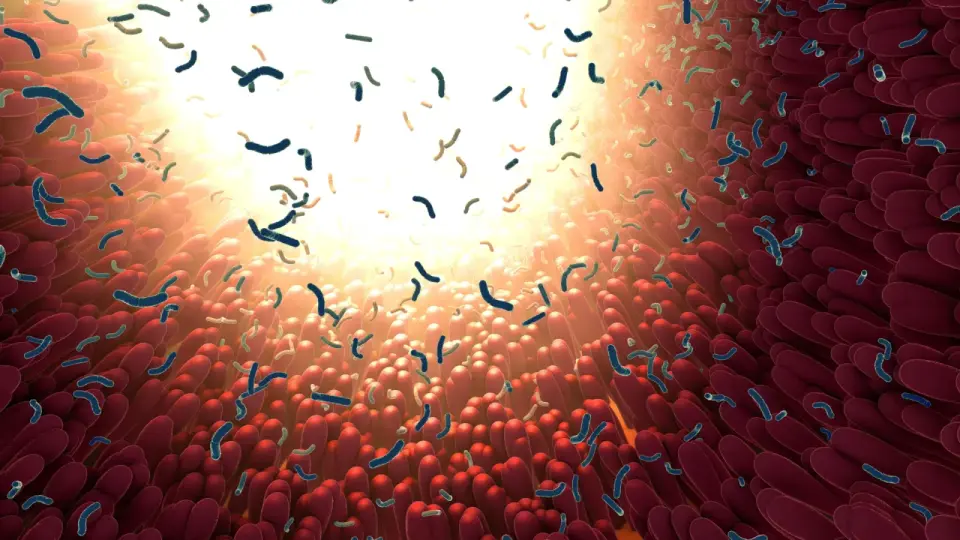
Researchers at the University of Hawaiʻi at Mānoa have identified a significant link between specific gut bacteria and the rate of biological aging. Published in Scientific Reports, the study found that gut microbial composition accounts for approximately 15% of the variation in how quickly the body ages. While certain microbes like Bifidobacterium adolescentis are associated with slower aging, others like Succinivibrio dextrinosolvens correlate with faster aging. The findings suggest that the gut microbiome, which is influenced by diet and lifestyle, could serve as a modifiable target for improving long-term health and longevity, though causal relationships remain unproven.
Key points
- A study of 123 adults found that gut bacterial communities explain about 15% of the variation in biological aging rates, independent of chronological age.
- Specific bacteria were linked to aging speed: Bifidobacterium adolescentis was associated with slower aging, while Succinivibrio dextrinosolvens was linked to faster aging.
- The research utilized DunedinPACE, a biomarker that measures the pace of biological aging, to compare stool samples with blood-based molecular markers.
- The study included Native Hawaiian and Pacific Islander participants to better understand how social and environmental factors influence biological aging through the microbiome.
- Researchers emphasize that the findings are associational, not causal, meaning the presence of certain bacteria does not necessarily prove they cause slower aging.
Background
This research adds to a growing body of evidence exploring how lifestyle and biological factors influence aging. Recent studies have highlighted the impact of diet, such as the MIND diet, on brain aging, and the potential of GLP-1 drugs like semaglutide to slow aging in animal models. Additionally, pilot studies have suggested that dietary interventions, like daily blueberry consumption, may alter gut enzymes and microbial genes, though larger trials are needed to confirm causal links between diet, gut health, and cognitive or physical aging outcomes.
Why it matters
Understanding the link between the gut microbiome and biological aging could lead to new strategies for healthy aging and precision health. Since the gut microbiome is highly responsive to diet, lifestyle, and environmental factors, it offers a modifiable target for interventions aimed at slowing the aging process. This could eventually help inform personalized wellness strategies and improve long-term health outcomes for diverse populations.
What to watch
Future research will focus on determining whether deliberately changing the gut microbiome can influence biological aging or improve long-term health. Scientists will need to clarify the mechanisms behind the observed associations and explore whether microbial signatures can be used to guide precision approaches for promoting health and wellness.
Want the full story? Read the original reporting
Read on Science Daily