
Johns Hopkins Researchers Identify Specific Cell Type Linked to Age-Related Prostate Enlargement
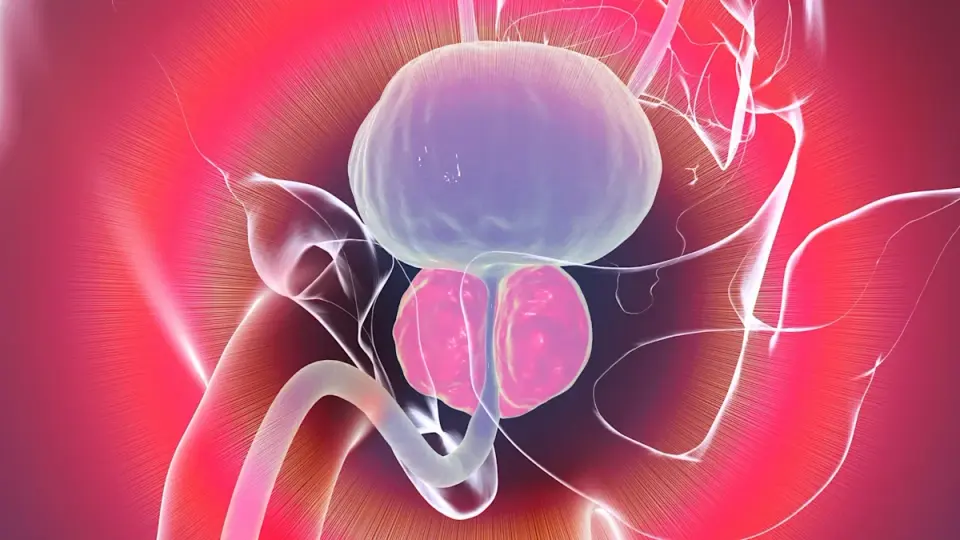
Researchers at Johns Hopkins University have identified a specific subtype of prostate cell, known as WIF1+ basal cells, that may explain why the prostate gland enlarges with age. Using single-cell RNA sequencing on tissue samples from ten men, the team found these cells are concentrated in the transition zone, the area surrounding the urethra most affected by benign prostatic hyperplasia (BPH). The study suggests these cells promote tissue remodeling and cellular growth, potentially offering new targets for future treatments. While the findings provide a cellular-level explanation for a common condition affecting millions of men over 50, the researchers emphasize that this remains a hypothesis requiring further functional investigation.
Key points
- Johns Hopkins researchers used single-cell RNA sequencing to analyze nearly 130,000 individual cells from noncancerous prostate tissue of ten men.
- The study identified a distinct population of basal cells called WIF1+ that are markedly enriched in the transition zone of the prostate.
- These cells display a unique gene expression profile and are associated with androgen responses and signaling pathways that influence prostate growth.
- The findings suggest WIF1+ cells may contribute to BPH pathogenesis by promoting epithelial and stromal remodeling in the transition zone.
- The research was published in The Journal of Pathology and highlights a potential cellular mechanism for why BPH primarily affects the transition zone.
- Urologist Charles Welliver noted that BPH involves an increase in the number of cells rather than swelling of existing cells.
Background
This discovery builds on previous discussions regarding prostate health, including recent findings on genomic tests that may spare men from unnecessary hormone therapy for prostate cancer. It also follows surveys highlighting a lack of awareness among US men regarding dietary links to prostate cancer risk. The current study addresses a long-standing mystery in urology: why benign prostatic hyperplasia (BPH) predominantly affects the transition zone of the prostate while leaving other regions relatively unaffected. While earlier research has pointed to hormonal changes and inflammation as factors, this new study provides a specific cellular candidate for the condition's development.
Why it matters
Understanding the cellular mechanisms behind benign prostatic hyperplasia could lead to more targeted treatments for a condition that affects millions of men over the age of 50. If WIF1+ basal cells are confirmed as a direct driver of prostate enlargement, they could become future drug targets, potentially improving the quality of life for men experiencing urinary difficulties. This research moves the field beyond general observations about hormonal changes and inflammation, offering a specific molecular signature that may help explain the regional specificity of BPH.
What to watch
Future studies will need to examine the functional roles of WIF1+ basal cells in the development of enlarged prostate glands to confirm their direct involvement in BPH. Researchers plan to investigate whether these cells can be targeted for therapeutic intervention to prevent or treat prostate enlargement. Additionally, further analysis of publicly available datasets may provide more evidence to support the hypothesis that these cells contribute to the unique biological environment of the transition zone.
Want the full story? Read the original reporting
Read on Yahoo