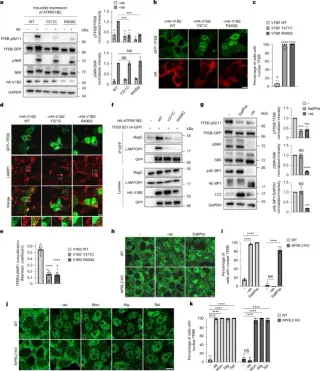
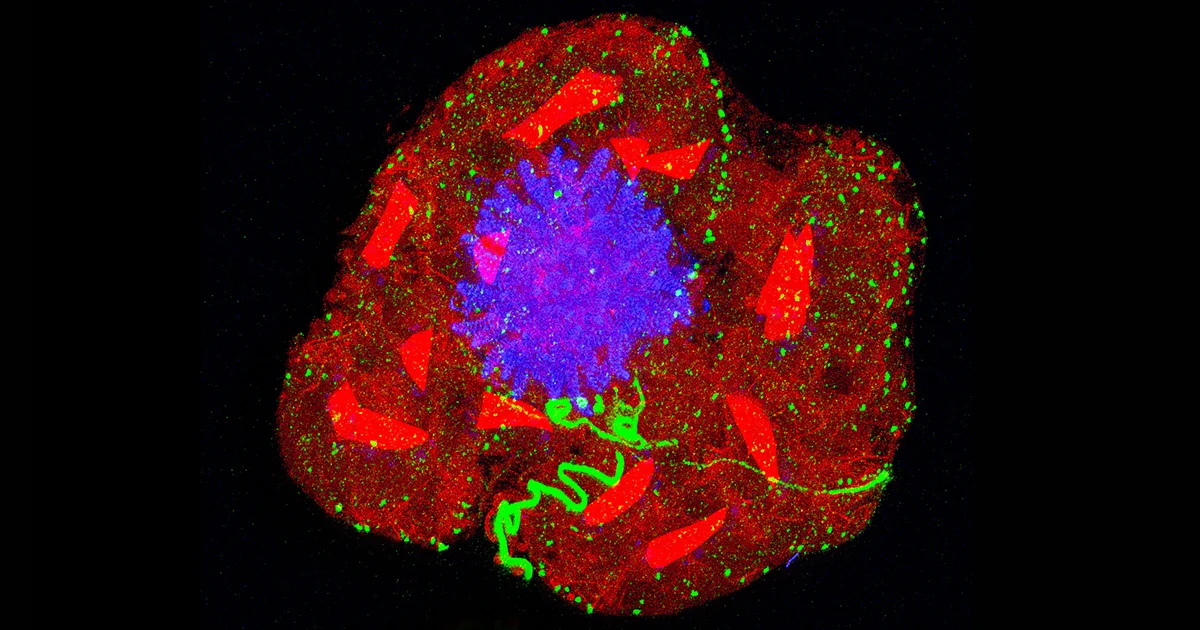
Researchers identified a nutrient-independent signaling axis involving TBK1 and ULK1 that regulates lysosomal function and TFEB activation, linking it to follicular lymphoma progression.
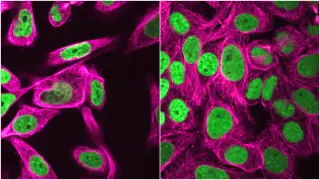
Researchers at New York University have demonstrated that human cells maintain stable genome organization after 24 hours in simulated microgravity, challenging previous assumptions about immediate genetic damage in space. By using a custom random-positioning machine that minimizes fluid currents, the team isolated the effects of gravity from mechanical stress, finding no detectable DNA damage or disruption to the nuclear envelope. While the nucleus expanded and the nucleolus smoothed, these changes were distinct from the DNA damage caused by fluid flow in traditional rotating cultures. This finding supports the emerging concept of treating gravity as a variable 'dose' for health, though experts caution that long-duration spaceflight involves additional factors like radiation that this short-term experiment did not replicate.
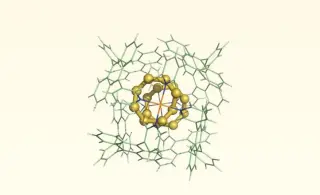
Researchers have detected elemental sulfur in mammalian cells for the first time, revealing that human and mouse cells actively produce S8 rings to limit oxidative damage. This finding challenges previous assumptions that only bacteria, plants, and fungi utilize elemental sulfur, suggesting a new metabolic pathway in mammals.
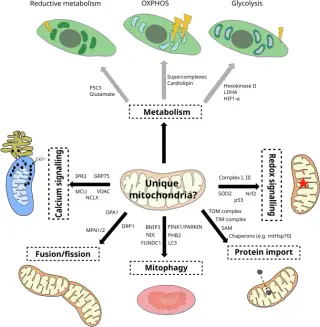
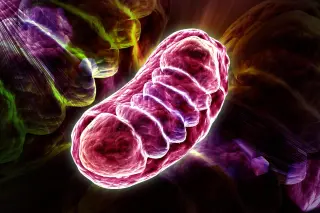
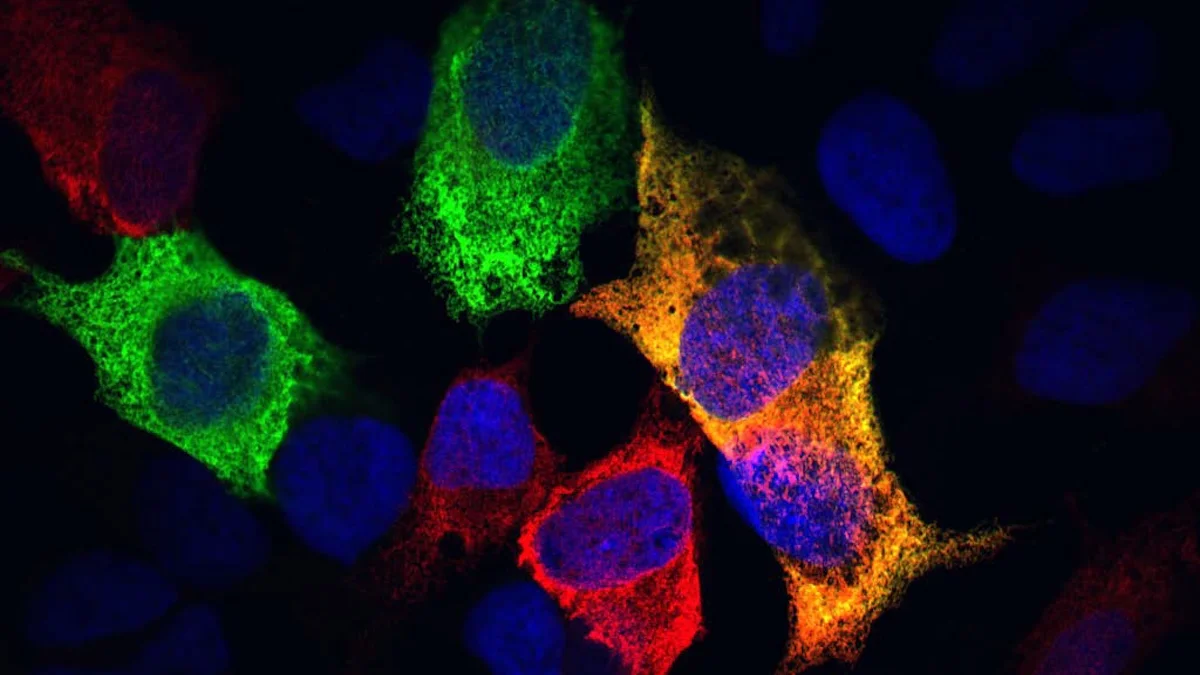
A new review in Nature argues that mitochondria are not a uniform network but a diverse ecosystem of specialized subpopulations. These subpopulations differ in shape, metabolism, and location, adapting to specific cellular needs. This heterogeneity is driven by fusion, fission, and genetic factors, and is crucial for understanding diseases like cancer and neurodegeneration.
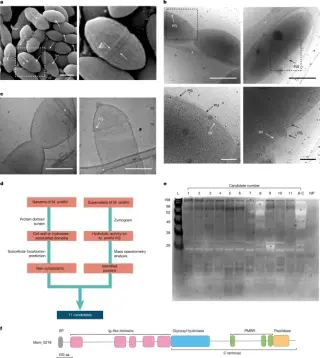
Researchers have identified ArmA, a new enzyme from the gut methanogen Methanobrevibacter smithii, which acts as the first specific hydrolase for archaeal peptidoglycan. By digesting this cell wall component, scientists revealed a previously unknown structure involving a novel sugar called N-acetylarmosamine. This discovery overturns a 50-year-old model of archaeal cell walls and provides a critical tool for studying methanogen biology, similar to how muramidases are used for bacteria.
A study analyzing 21 million mouse cells across five ages argues aging is a staged, programmed remodeling of the body's cell populations, not random molecular decay. Specific cell types rise or fall in defined windows—early loss of fat, muscle, and some brain progenitors; midlife depletion of tissue-support cells and immune components; later expansion of aging-associated immune cells—with genomic regions opening or closing in a coordinated pattern. These signals hint at upstream programs driving aging, echoed by midlife protein changes in humans. The work suggests aging begins before age 30 and that slowing it may require early interventions targeting vulnerable cell types and their signaling pathways.
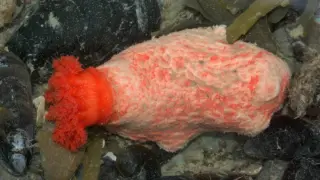
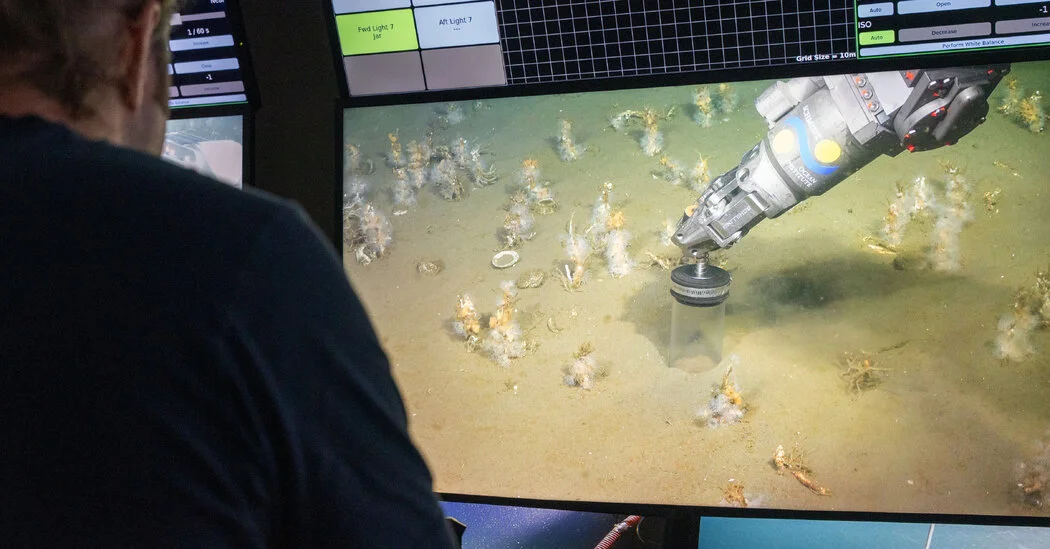
Researchers found that severed tissues from the sea cucumber Psolus fabricii can survive, heal, and absorb nutrients in untreated seawater for more than three years without reproducing, suggesting a form of tissue immortality and offering insights into regeneration with potential medical implications.
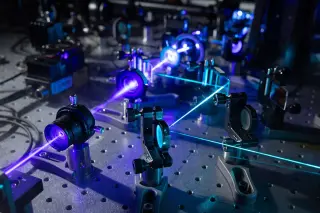
Stanford researchers developed Interferometric Image Scanning Microscopy (iISM), a label-free instrument that reaches ~120-nanometer resolution inside living cells by merging interferometric scattering with array-based detection, enabling real-time observation of cellular structures with less light and no fluorescent labels. It complements fluorescence microscopy and opens new avenues for studying pathogen interactions, drug entry, and malaria-related cell changes, with plans to broaden access and collaborations.
Researchers reveal a process called mitochondrial pearling, where mitochondria transiently form bead-like constrictions to split and redistribute mitochondrial DNA nucleoids along their length, maintaining even spacing. This calcium-triggered, membrane-supported mechanism helps preserve mtDNA organization and could shed light on metabolic and neurodegenerative diseases, with findings published in Science.
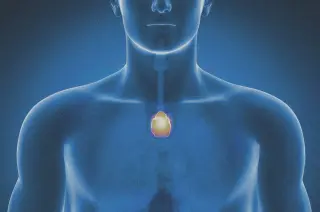
A growing body of research shows the thymus—an immune organ behind the breastbone—plays a central role in immune development, aging, and cancer risk, prompting efforts to rejuvenate thymic function to promote longevity and disease prevention.
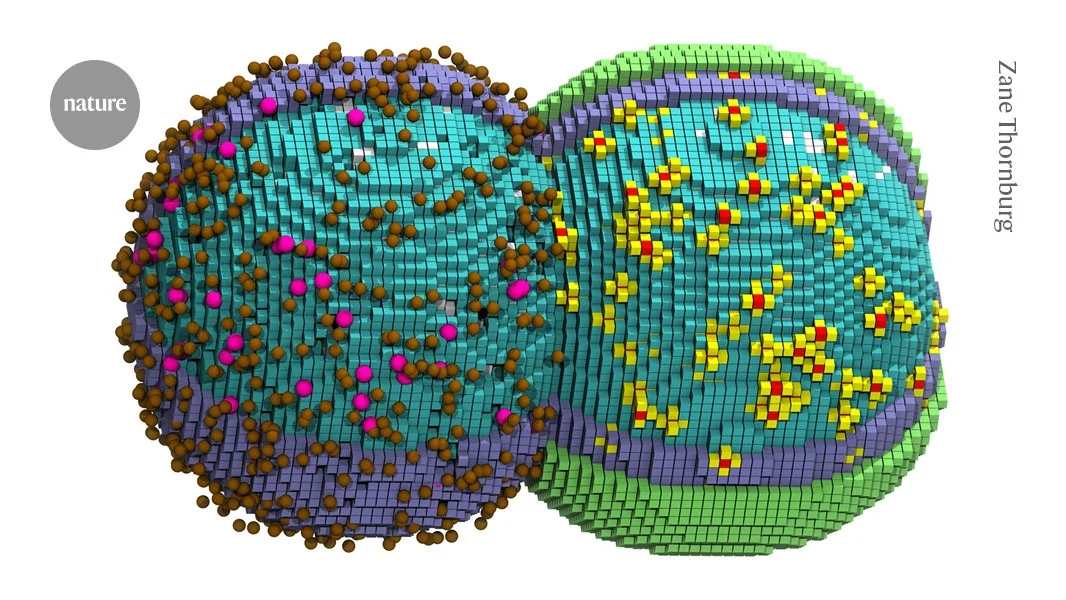
Researchers built a three‑dimensional computer model that simulates nearly every chemical reaction in a minimal bacterial cell (JCVI‑Syn3a), producing a virtual cell that copies its DNA and divides in about 105 minutes. The full simulation ran for six days on a supercomputer and required simplifying assumptions, but it demonstrated coherent, life‑like cellular processes across the cell cycle.
Researchers studying aging in Caenorhabditis elegans found that aging promotes remodeling of the endoplasmic reticulum via ER-phagy, with rough ER declining while smooth ER changes are modest; this reorganization may affect protein homeostasis and aging, and could point to new drug targets for age-related diseases.
A wave of new studies identifies rare transitional microbes, such as Lokiarchaeum ossiferum, that bridge simple cells and complex eukaryotic cells, offering clues to how cells with nuclei and mitochondria evolved about two billion years ago.
Expansion microscopy uses a diaper-inspired hydrogel to physically swell biological samples, enabling higher-resolution visualization of tiny cellular structures with standard microscopes. By improving dye penetration and preserving overall architecture, it democratizes microscopy and reveals detailed cytoskeletal diversity across species.
Researchers rewired vault proteins to create TimeVaults that capture and store messenger RNA produced by human cells over a 24-hour window, keeping a record for at least a week. The system acts as an unbiased cellular memoir of transcription, activated by a drug cue and reversible, and could shed light on cancer drug resistance and stem-cell biology without noticeably affecting cell behavior.