
Three-Year-Old Achieves Complete Remission of Metastatic Liver Cancer via Experimental CAR T-Cell Therapy
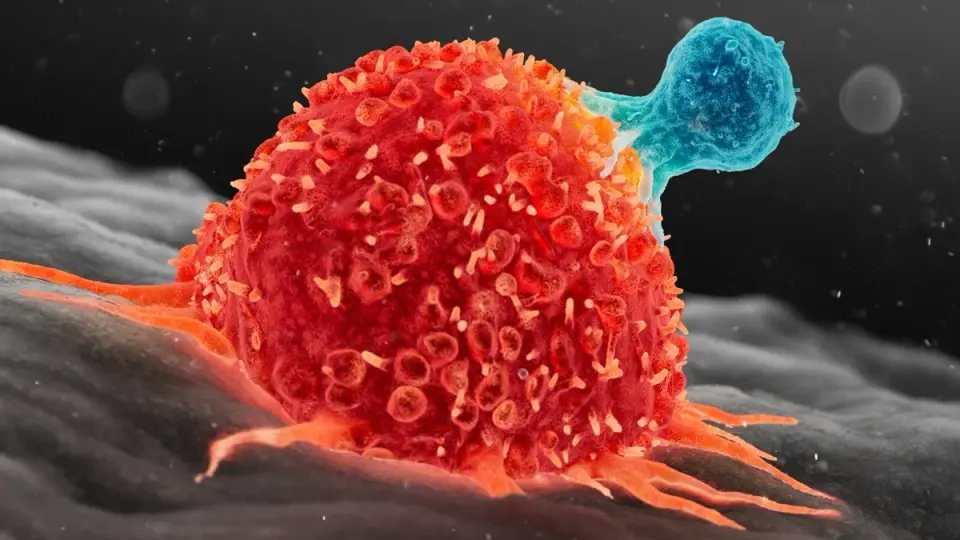
A three-year-old boy with chemotherapy-resistant, metastatic hepatoblastoma achieved complete disease regression after receiving two doses of experimental GPC3-CAR T-cell therapy. Published in The New England Journal of Medicine, the case demonstrates that this immunotherapy can effectively treat solid tumors in an outpatient setting without systemic toxicity. The boy, who had previously undergone surgery and chemotherapy with rapid recurrence, remains disease-free after 12 months. This milestone suggests potential for treating other GPC3-positive solid tumors, though further trials are needed to confirm safety and efficacy across broader populations.
Key points
- The patient had an 11.2 cm liver tumor that metastasized to the lungs and bones, proving resistant to prior chemotherapy and surgical interventions.
- The experimental therapy used the patient's own T cells, engineered to target glypican-3 (GPC3), a protein highly expressed in liver cancers.
- The treatment included genetic modifications to express interleukin-15 and interleukin-21, enhancing the longevity and tumor-killing ability of the CAR T cells.
- After the first infusion, the patient showed a partial response; a second dose eight weeks later resulted in no remaining signs of disease except residual scarring.
- The therapy was administered in an outpatient setting, avoiding the systemic toxicity typically associated with traditional cancer treatments.
- The boy remained disease-free for 12 months post-treatment, marking a significant success for solid tumor immunotherapy.
Background
This development follows recent advancements in cancer treatment metrics and immunotherapy. Earlier this year, studies highlighted the importance of specific biomarkers in prostate and colorectal cancer, such as ultra-low PSA targets and the lack of benefit from high-dose vitamin D3 in metastatic cases. Additionally, awareness campaigns have emphasized the critical role of early detection and symptom advocacy, as seen in cases of young adults with bowel cancer. The success of CAR T-cell therapy in solid tumors builds on its established efficacy in blood cancers, expanding the potential of immunotherapy for previously difficult-to-treat malignancies.
Why it matters
This case represents a breakthrough in treating solid tumors, which have historically been resistant to CAR T-cell therapies. Achieving complete remission in a pediatric patient with metastatic disease offers hope for developing similar treatments for other solid cancers, particularly those expressing GPC3. The outpatient delivery and lack of systemic toxicity suggest a more accessible and less burdensome treatment option for patients. However, as this is a single case from an early-phase trial, broader clinical validation is essential before widespread adoption.
What to watch
Researchers will continue evaluating the safety and efficacy of GPC3-CAR T-cell therapy through the CARE and IMPACT trials. These studies aim to determine if the therapy can be effectively applied to other GPC3-positive solid tumors and to assess long-term outcomes in a larger patient population. The findings may inform future clinical guidelines and treatment protocols for pediatric and adult solid tumor patients.
Want the full story? Read the original reporting
Read on ScienceAlert