Tag

Pediatric Oncology

All articles tagged with #pediatric oncology

Study Identifies Early Biological Markers Linked to Childhood Cancer
science5 days ago

Study Identifies Early Biological Markers Linked to Childhood Cancer

Researchers have identified a distinct biological pattern in children who were later diagnosed with cancer, potentially offering new avenues for early detection. The study, reported by Newsweek, suggests that specific markers observed before diagnosis could serve as predictive indicators, though the findings require further validation. This discovery may help clinicians identify at-risk children earlier, allowing for closer monitoring or preventive interventions. The research highlights the importance of longitudinal studies in understanding the precursors to pediatric malignancies.


UK Experts Warn Parents to Watch for Persistent Clusters of Childhood Cancer Signs
health9 days ago

UK Experts Warn Parents to Watch for Persistent Clusters of Childhood Cancer Signs

Cancer is the leading cause of death from disease among UK children under 15, yet nearly 70% of parents lack confidence in recognizing symptoms. Experts urge families to monitor persistent clusters of signs, such as unexplained bruising or extreme fatigue, rather than isolated incidents. While survival rates have improved significantly, delays in diagnosis remain a critical issue for half of all cases.

Study Finds Teen Colorectal Cancer Is Rare but Often Deadly and Late-Stage
health18 days ago

Study Finds Teen Colorectal Cancer Is Rare but Often Deadly and Late-Stage

A new study presented at the American Academy of Pediatrics conference reveals that while colorectal cancer in adolescents is extremely rare, it is frequently aggressive and diagnosed at advanced stages. The research highlights significant diagnostic delays and poor outcomes for patients under 21, urging doctors to take vague symptoms like abdominal pain and weight loss seriously in this age group.

Adolescent Colorectal Cancer: Rare but Aggressive, with Delayed Diagnoses
health18 days ago

Adolescent Colorectal Cancer: Rare but Aggressive, with Delayed Diagnoses

A new study presented at the American Academy of Pediatrics conference reveals that colorectal cancer in patients under 21 is increasingly common, highly aggressive, and often diagnosed at advanced stages. Despite being rare, these cases show poor outcomes, with nearly half of patients dying, highlighting the need for earlier clinical suspicion in young people.

Harnett County Community Mobilizes to Support 8-Year-Old Janson Herring’s Fight Against Inoperable Brain Tumor
health-and-community22 days ago

Harnett County Community Mobilizes to Support 8-Year-Old Janson Herring’s Fight Against Inoperable Brain Tumor

Janson Herring, an 8-year-old third-grader in Harnett County, N.C., has been diagnosed with diffuse intrinsic pontine glioma (DIPG), a rare and inoperable brain tumor. His family is preparing for six weeks of radiation therapy at Duke Children’s Hospital and is exploring clinical trials in Seattle. The local community has responded with immediate support, including food donations and a GoFundMe campaign to cover medical and travel expenses.

Two Doses of Experimental CAR-T Therapy Erase Liver Cancer in 3-Year-Old
health29 days ago

Two Doses of Experimental CAR-T Therapy Erase Liver Cancer in 3-Year-Old

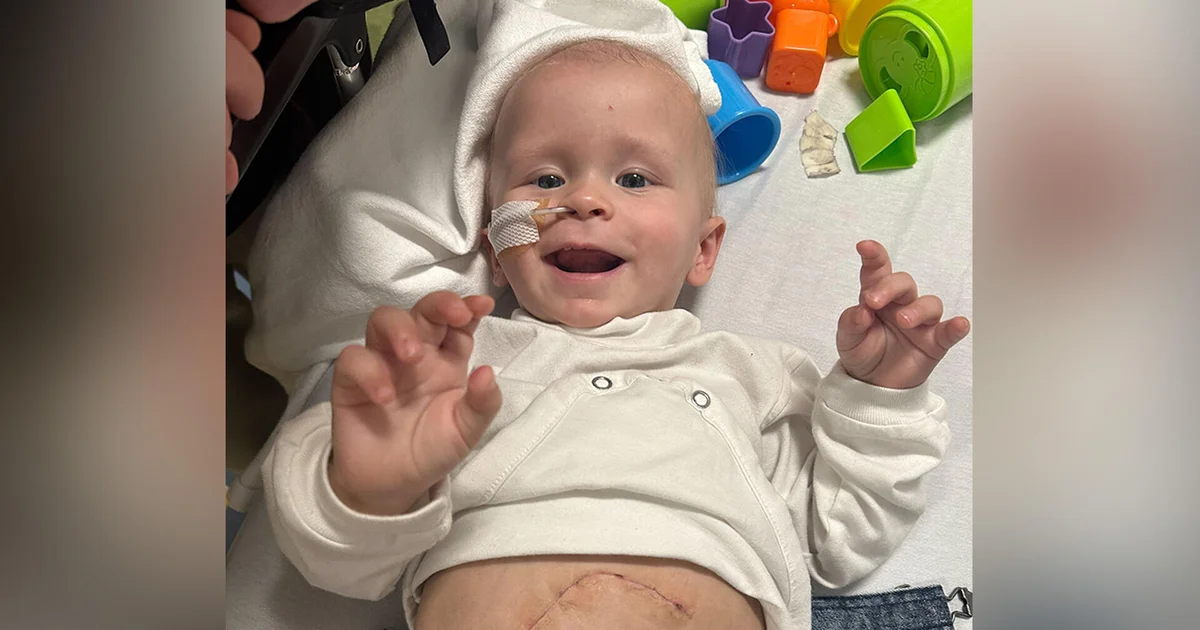
A three-year-old boy with chemo-resistant hepatoblastoma achieved complete cancer remission after receiving two doses of an experimental CAR-T cell therapy. The treatment, which targets the glypican-3 protein, was administered in an outpatient setting without severe side effects. Published in The New England Journal of Medicine, this single-patient case suggests a potential new avenue for treating solid tumors, which have historically resisted CAR-T therapies.

Levetiracetam May Extend Survival in Diffuse Midline Glioma by Disrupting Tumor-Neuron Connections
health-and-science1 month ago

Levetiracetam May Extend Survival in Diffuse Midline Glioma by Disrupting Tumor-Neuron Connections

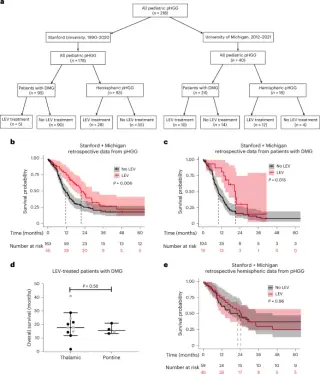
A new study in Nature Medicine suggests that levetiracetam, a common anti-seizure drug, may slow the growth of diffuse midline gliomas (DMG) in children by blocking specific electrical connections between tumor cells and healthy neurons. Retrospective data from four institutions showed that DMG patients taking levetiracetam had a median survival of approximately 21 months compared to 10 months for those not taking it. This benefit was not observed in patients with hemispheric high-grade gliomas. Preclinical mouse models confirmed that the drug reduces tumor proliferation in DMG but not in other glioma types, acting through a mechanism distinct from its standard anti-seizure function. Researchers are now launching clinical trials to validate these findings.

Experimental CAR-T Therapy Achieves Durable Remission in Child with Metastatic Liver Cancer
health1 month ago

Experimental CAR-T Therapy Achieves Durable Remission in Child with Metastatic Liver Cancer

A 3-year-old boy with advanced hepatoblastoma achieved a complete, cancer-free remission lasting over 12 months after receiving two doses of an experimental CAR-T cell therapy. The treatment, which targets the glypican-3 protein, was administered in an outpatient setting without severe side effects. This single-case success, reported in the New England Journal of Medicine, highlights potential for treating solid tumors, though broader trials are still underway.

Three-Year-Old Achieves Complete Remission of Metastatic Liver Cancer via Experimental CAR T-Cell Therapy
health-and-science1 month ago

Three-Year-Old Achieves Complete Remission of Metastatic Liver Cancer via Experimental CAR T-Cell Therapy

A three-year-old boy with chemotherapy-resistant, metastatic hepatoblastoma achieved complete disease regression after receiving two doses of experimental GPC3-CAR T-cell therapy. Published in The New England Journal of Medicine, the case demonstrates that this immunotherapy can effectively treat solid tumors in an outpatient setting without systemic toxicity. The boy, who had previously undergone surgery and chemotherapy with rapid recurrence, remains disease-free after 12 months. This milestone suggests potential for treating other GPC3-positive solid tumors, though further trials are needed to confirm safety and efficacy across broader populations.

Global trials test if genomic newborn screening can outpace conventional blood tests
health2 months ago

Global trials test if genomic newborn screening can outpace conventional blood tests

Large-scale studies in the US, Australia, and Belgium are testing whole-genome sequencing for newborns to detect rare, treatable diseases missed by standard blood tests. Early data shows 1.6% to 2.7% of infants have confirmed genetic conditions, but experts debate the cost, ethical implications, and clinical utility of screening for conditions without proven interventions.

Toddler’s 14-Month Chemo Journey Begins After Skin Spots Reveal Vision-Threatening Brain Tumors
health2 months ago

Toddler’s 14-Month Chemo Journey Begins After Skin Spots Reveal Vision-Threatening Brain Tumors

Maddie Fries, a 3-year-old from Bellevue, Ohio, underwent 14 months of chemotherapy to prevent blindness after doctors discovered growing tumors on her optic nerves. The condition was initially identified by her mother through café au lait spots on her skin, a hallmark of neurofibromatosis type 1 (NF1). Although the tumors are benign, their growth threatened her vision, leading to treatment at Cleveland Clinic Children’s. Maddie’s vision is now stable, though her right eye remains impaired, and she is preparing to start kindergarten.

Brain-wide network links prognosis to pediatric diffuse midline glioma survival
science4 months ago

Brain-wide network links prognosis to pediatric diffuse midline glioma survival

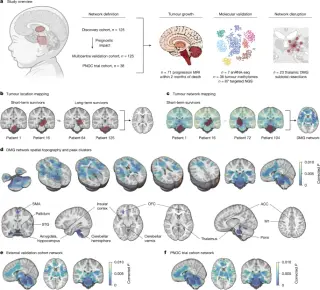
Researchers mapped the brain-wide connectivity of pediatric diffuse midline gliomas (DMG) and defined a conserved DMG network whose connectivity to each patient’s tumor independently predicts overall survival across two external validation cohorts. The DMG network shows tumor growth trajectories and metabolic changes that peak within development-aligned windows, with single-nucleus RNA-seq revealing enriched synaptic genes in high-connectivity DMG. Structural-connectome analyses reproduce the network, spinal metastases preferentially involve DMG network nodes, and incidental resection of high-connectivity tissue is associated with longer survival, suggesting DMGs exploit intact brain circuits. Together, these findings propose a prognostic brain network in DMG that could inform surgical strategies and future therapies.

Cancer Survivors Turn Adversity into Advocacy Mission
health1 year ago

Cancer Survivors Turn Adversity into Advocacy Mission

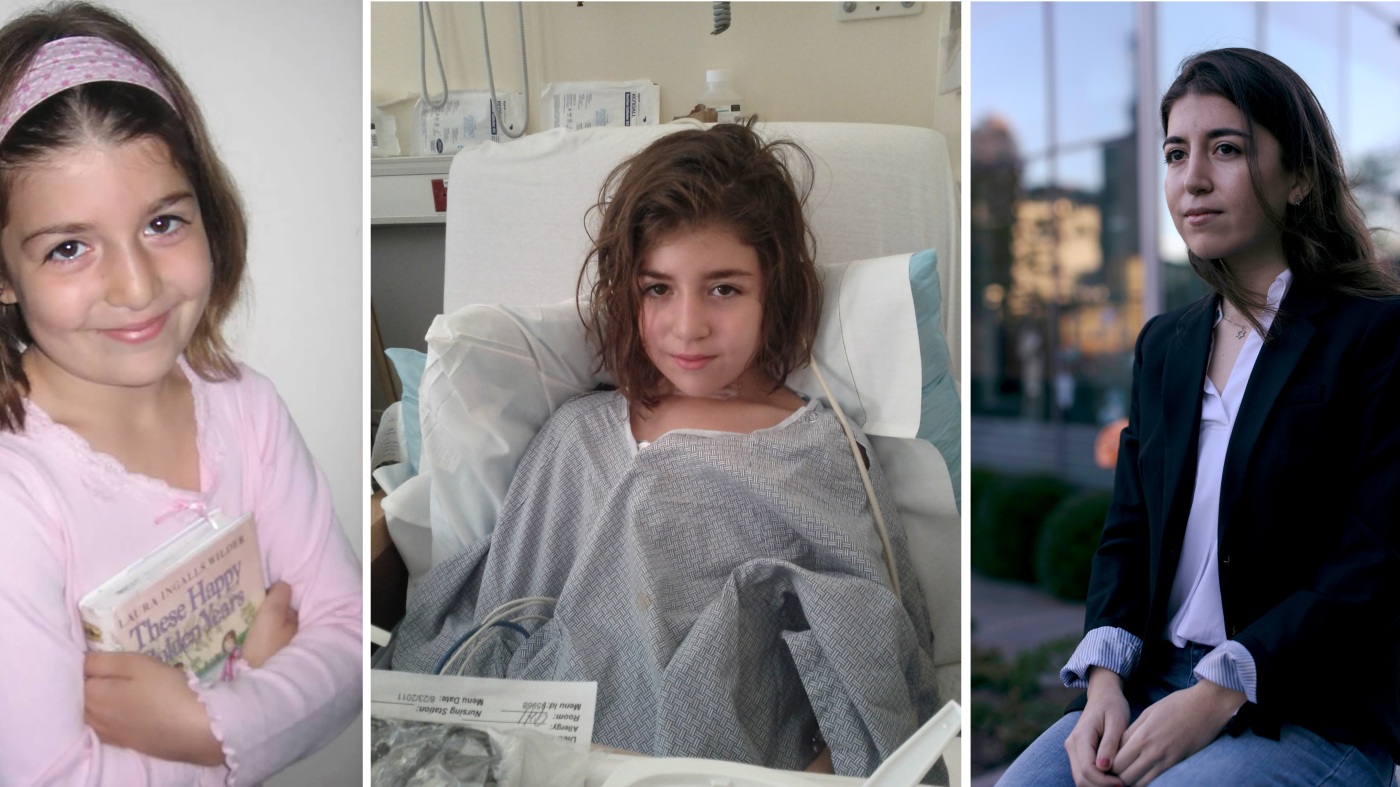
EJ Beck, a thyroid cancer survivor, and Brendan Harley, a leukemia survivor, both faced significant disruptions in their education and social lives due to their illnesses. Despite these challenges, they have turned their experiences into missions to improve cancer care. Beck is now a medical student at the hospital where she was treated, while Harley is a biochemical engineer developing better cancer treatments. Their stories highlight the importance of comprehensive support for young cancer patients, including educational assistance and emotional support, to help them reintegrate into normal life post-treatment.