
Art Fund Prescribes 60-Monthly Gallery Visits as Essential Health Behavior
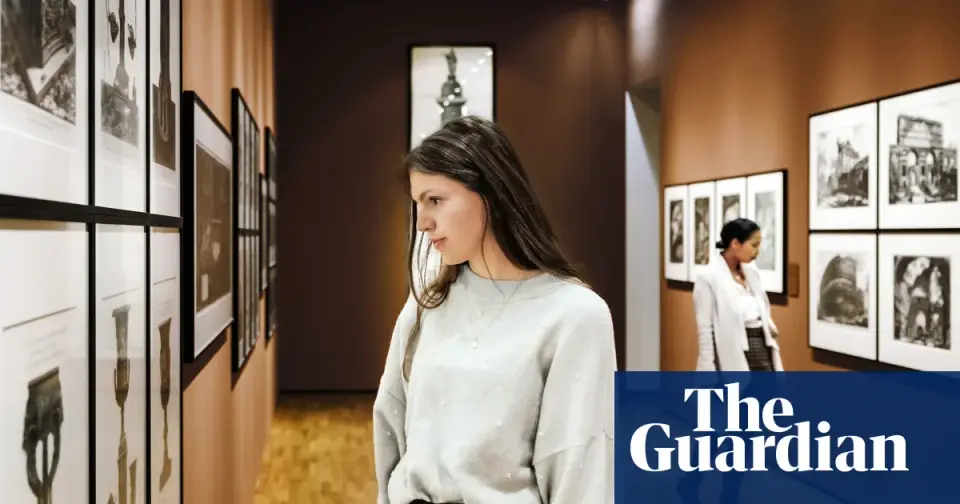
A new report by the Art Fund and Professor Daisy Fancourt recommends that adults spend at least 60 minutes per month in museums or galleries to support physical and mental health. Dubbed the 'Recommended Dose of Art,' this guideline is based on over 300 studies linking cultural engagement to reduced risks of depression, dementia, and frailty. The initiative frames art attendance as a preventive health measure comparable to daily exercise or balanced diets, noting that 89% of UK adults currently fail to meet this threshold.
Key points
- The Art Fund and UCL Professor Daisy Fancourt published a report recommending a minimum of 60 minutes of art engagement per month.
- The report, titled 'Recommended Dose of Art,' synthesizes findings from over 300 studies on the health benefits of cultural participation.
- Data indicates that 89% of UK adults do not currently meet this recommended frequency, while only 17% recognize mental wellbeing as a benefit of gallery visits.
- Research cited suggests regular art attendance is associated with a 48% lower risk of depression and a 43% lower risk of developing dementia between ages 50 and 62.
- A study in 'Brain, Behaviour and Immunity' found that viewing original artworks in galleries triggers stress reduction and immune modulation, effects not observed when viewing reproductions in labs.
- The report emphasizes that art engagement is a complement to, not a replacement for, professional medical treatment.
Background
This development follows a broader trend in public health research linking minimal physical activity to cognitive benefits, such as a recent University of Tsukuba study on slow jogging. It also arrives amidst logistical challenges in the art world, including the early closure of Art Basel Paris due to civil unrest, which may impact public access to cultural venues.
How outlets are covering it
The Guardian highlights the physiological distinction between viewing original artworks and reproductions, emphasizing that the 'authentic' gallery experience is necessary for the reported health benefits. Arts Professional focuses on the statistical prevalence of non-compliance, noting that nearly nine in ten UK adults are not meeting the new benchmark. Both sources agree on the core recommendation but differ in emphasis: The Guardian questions the practicality of the 'dose' concept, while Arts Professional frames it as a necessary public health nudge similar to dietary guidelines.
Why it matters
By framing art attendance as a medical recommendation, this report could influence public health policy and funding for cultural institutions. It challenges the notion that art is purely recreational, positioning it as a critical component of preventive healthcare infrastructure.
What to watch
Healthcare providers may begin incorporating cultural prescriptions into patient care plans. Museums and galleries may adjust programming to facilitate regular, short-duration visits to meet the 60-minute benchmark. Further research may explore the long-term economic impacts of reduced healthcare costs associated with improved mental and physical health through art engagement.
- The art prescription: how 60 minutes in a gallery each month could transform your life The Guardian
- Art is good for your health? Allow me a quick eyeroll | Emma Brockes The Guardian
- Monthly 60 minute ‘dose’ of art recommended by Art Fund study to boost health Arts Professional
- One museum visit a month could improve health, new report finds The Art Newspaper
- Art is good for your health — here’s where we get our fix The Times
Want the full story? Read the original reporting
Read on The Guardian