
ALS Mother’s Delayed Disclosure to Son Highlights Risks of Withholding Terminal Diagnoses
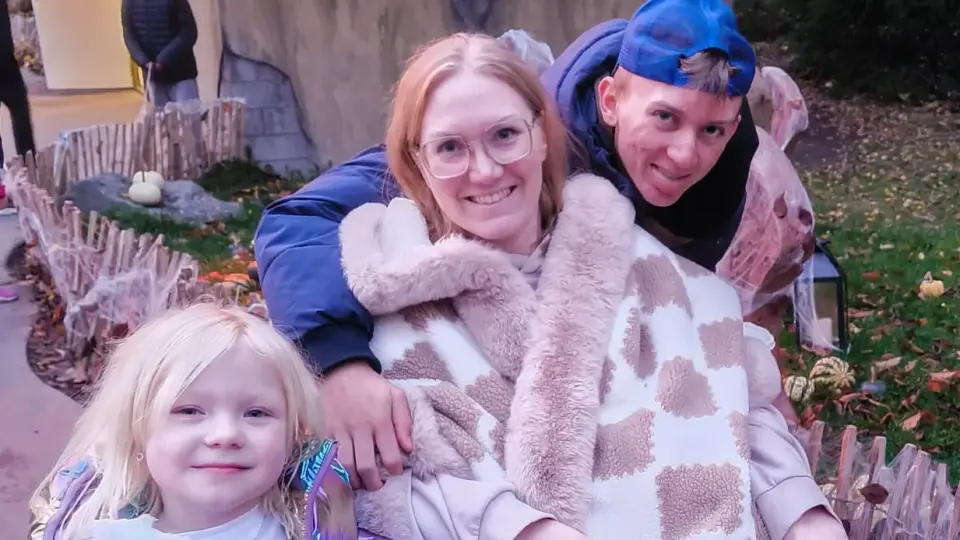
A Swedish mother with ALS delayed telling her teenage son about her diagnosis for years, fearing the impact, until his return home forced the conversation. Experts warn that withholding such news can fracture trust, while transparency helps children process grief and maintain emotional resilience.
Key points
- Frida Hansson, 41, diagnosed with ALS in December 2023, waited until August 2026 to inform her 17-year-old son due to fear and lack of a suitable moment.
- Linda Mathew, a clinical social worker at Memorial Sloan Kettering Cancer Center, states that children are often more resilient than parents assume and benefit from open dialogue.
- Dr. Sanjay Juneja, an oncologist, notes that younger cancer patients face this dilemma more frequently, and transparency prevents resentment from other family members who know the truth.
- Hansson’s 6-year-old daughter knew about the diagnosis earlier, making communication easier, while her son’s lack of knowledge created stress for Hansson during visits.
- Experts recommend involving trusted adults, using concrete language for younger children, and avoiding independent online searches by teens to manage anxiety.
Background
This story follows broader discussions on anticipatory grief and family communication in terminal illnesses. While previous archive items covered unrelated topics like Pokémon events and the death of Christy Knowings, they do not provide direct background on ALS family dynamics. The current focus is on the psychological impact of delayed disclosure in families facing incurable conditions.
Why it matters
Withholding terminal diagnoses from children can damage parental trust and hinder emotional processing. Experts emphasize that transparency, tailored to the child’s age, allows families to share remaining time meaningfully and reduces the burden on parents who fear causing distress. This approach supports long-term emotional health for children facing loss.
What to watch
Hansson plans to continue open communication with her son, allowing him to ask questions as his understanding evolves. Other ALS mothers, such as Laura McNew and Megan Niemeyer, are sharing strategies for age-appropriate disclosure, including creating legacy items and involving support networks. Experts encourage parents to seek professional help for these conversations rather than handling them alone.
Want the full story? Read the original reporting
Read on USA Today