
Managing Dandruff: A Guide to Causes, Treatments, and When to Seek Medical Help
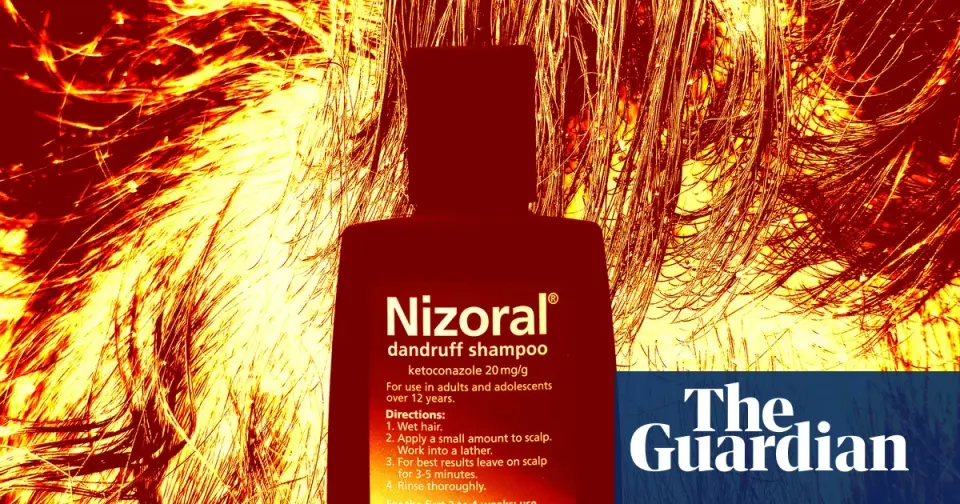
Dandruff, affecting roughly half the global population, is a mild form of seborrheic dermatitis driven by a complex interplay of scalp microorganisms, immune responses, and skin barriers rather than a single cause. While over-the-counter shampoos containing zinc pyrithione, selenium sulfide, or ketoconazole are effective for most, specific hair types may require gentler formulations. Persistent symptoms, hair loss, or burning sensations indicate the need for professional evaluation, as these may signal conditions like psoriasis or scarring alopecia rather than simple dandruff.
Key points
- Dandruff is the mildest form of seborrheic dermatitis, a skin inflammation that can affect the head, face, or trunk, though most cases are limited to minor scalp scaliness without redness.
- The exact cause is unknown, but experts describe it as a 'trifecta' involving scalp microorganisms (particularly the yeast Malassezia), the skin's barrier function, and the immune response, rather than a single pathogen.
- Risk factors include genetics (at least 11 gene variants linked), hot and humid weather, intense exercise, and hormonal changes affecting oil production during puberty, pregnancy, or menopause.
- Over-the-counter treatments using zinc pyrithione, selenium sulfide, or ketoconazole are equally effective at reducing Malassezia and inflammation; users should massage the shampoo into the scalp and leave it on for a few minutes, using it three times a week.
- Selenium sulfide and ketoconazole can dry out hair, particularly for dry, textured, or coily hair types, making gentler, sulfate-free zinc pyrithione formulations preferable for those individuals.
- Fragrance, including natural botanical scents, is a common cause of scalp contact allergy and should be avoided where possible.
Background
This briefing focuses on the management and medical understanding of dandruff. While previous archive articles covered unrelated topics such as dietary interventions for blood pressure, a stray pig adoption, Apple store renovations, and Xbox feature updates, they do not provide relevant background for this specific dermatological issue. The current information stands alone as a comprehensive guide to a common skin condition.
Why it matters
Dandruff is a highly prevalent condition that impacts the daily comfort and social confidence of approximately half the world's population. Understanding the multifactorial nature of seborrheic dermatitis helps individuals choose appropriate treatments and avoid unnecessary anxiety. Furthermore, recognizing the distinction between simple dandruff and more serious conditions like psoriasis or scarring alopecia is crucial for timely medical intervention, preventing potential long-term hair loss or skin damage. Proper management also helps avoid the misuse of ineffective home remedies and ensures that individuals with sensitive hair types do not exacerbate damage through harsh chemical treatments.
What to watch
Researchers are currently investigating whether manipulating the scalp's bacterial populations, such as introducing beneficial microbes to outcompete harmful ones, could offer new treatment avenues. However, these approaches remain in early stages, and experts advise against unproven home remedies. For individuals with persistent or severe symptoms, the next step is typically a consultation with a dermatologist to explore prescription options like ciclopirox or roflumilast.
Want the full story? Read the original reporting
Read on The Guardian