
Experts debunk the myth that hips specifically store emotional trauma
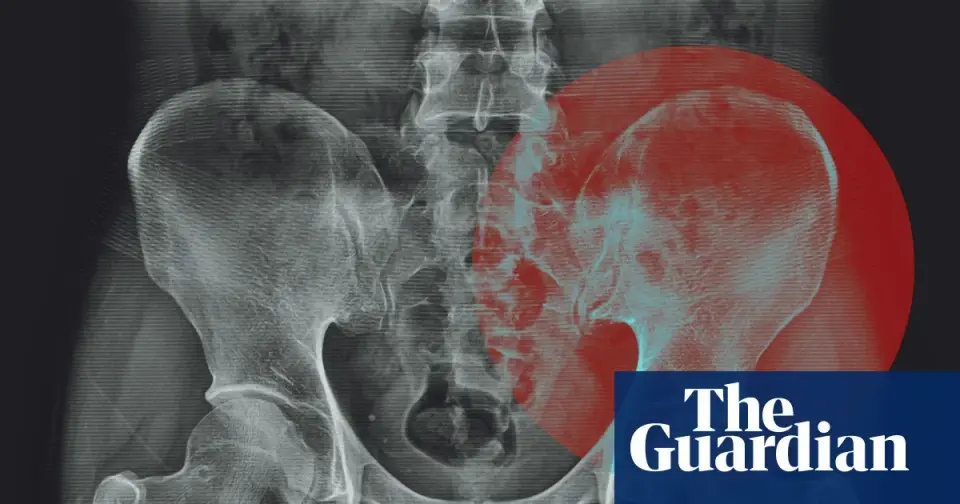
The popular wellness claim that hips act as emotional storage units for trauma is not supported by scientific evidence. While stress can increase muscle tension, this effect is not unique to the hips and is more strongly linked to the shoulders, jaw, and pelvic floor. Hip discomfort usually stems from anatomical issues, sedentary habits, or general health factors rather than specific psychological burdens.
Key points
- Muscle tension arises from either mechanical stiffness or low-level neural activity triggered by stress, but neither mechanism targets the hips specifically.
- Evidence links mental strain to musculoskeletal tension most strongly in the shoulders, jaw, and pelvic floor, not the hips.
- Hip pain often results from anatomical factors like shallow or deep hip sockets, tendinitis, or bursitis, particularly in older women.
- Sedentary lifestyles may shorten front hip muscles, though studies have not conclusively linked this shortening directly to pain.
- General health factors, including poor sleep, inactivity, and anxiety, can exacerbate pain sensitivity beyond structural issues.
- Treatment recommendations include regular aerobic exercise, strength training, and gentle movement, with a caution against aggressive stretching.
Background
This article addresses a recurring narrative in yoga and wellness communities that associates physical tightness in specific body parts with unresolved emotional issues. Previous coverage in our archive has focused on geopolitical and economic topics, such as AI safety tensions and oil prices, indicating a shift in our editorial focus toward health and wellness science. There is no prior archive material regarding musculoskeletal myths or hip tension, making this a new topic for our readers.
Why it matters
Understanding the actual causes of hip discomfort helps individuals avoid misguided self-diagnosis and unnecessary anxiety. Recognizing that pain is often multifactorial, influenced by overall health and lifestyle rather than specific emotional 'storage,' allows for more effective management through exercise and general well-being rather than solely focusing on trauma release.
What to watch
Experts recommend continuing to prioritize general health through movement, strength training, and social connection to reduce pain sensitivity. If symptoms persist, consulting a clinician who evaluates the whole body and lifestyle factors is advised, as structural imaging may not reveal the true cause of discomfort.
Want the full story? Read the original reporting
Read on The Guardian