A physical therapist compares power walking and jogging, noting that while jogging burns more calories per minute, power walking offers lower joint impact and is easier to sustain for longer durations, making it a viable alternative for fat loss and general fitness.
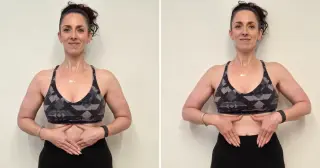
Rib flare occurs when the lower ribs protrude due to posture (often with an arched lower back or scoliosis) and can cause back pain or breathing difficulties. A physical therapist explains simple visual checks and a thumbs-at-base-of-sternum test to spot it, notes that it isn’t inherently dangerous but can create muscular imbalances, and outlines four exercises to reduce the lumbar arch and rebalance the torso: rib retraction, supine isometric hip flexion, the dead bug, and a mind–body alignment cue. The goal is better posture and safer workouts; seek medical advice if pain or movement limits persist.
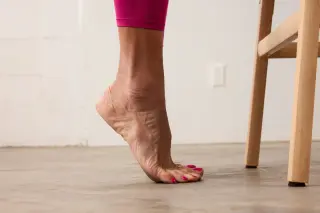
Physical therapists recommend five easy daily movements—such as sit-to-stand transitions and heel raises—to maintain balance, strength, and independence for adults over 50, helping counter age‑related mobility declines.
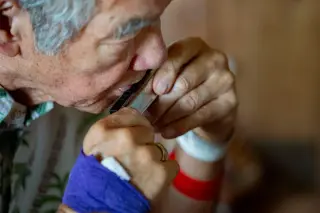
Neal Tomita, 79, who has Parkinson’s, finds his voice again through harmonica lessons in the Harmonica Parkinson’s Project; early pilots suggest this music-therapy approach can improve speech intelligibility and vocal loudness, offering a promising noninvasive aid for Parkinson’s speech, though more research is needed.
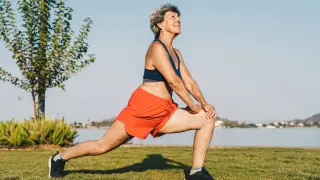
A physical therapist identifies the mobility losses that tend to appear first with aging (such as floor transfers, leg-strength demands, eccentric control, neck rotation, hip mobility, and balance) and prescribes a five‑move routine you can do a couple of times per week: seated thoracic twist, sit‑to‑stand, standing hip flexor stretch, supported standing child’s pose, and shoulder squeezes to help maintain independence as you age.
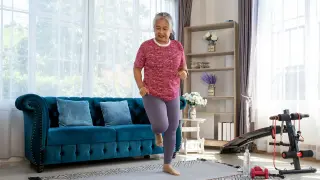
A physical therapist explains that bone adapts to loading and identifies three moderate-impact, equipment-free moves—heel drops, skater jumps, and jogging in place—that, when done as two sets of 10 reps, 3–4 times a week (and increased over time), can strengthen bone density in the hips, spine, and legs and help protect against osteoporosis as part of a progressive routine.
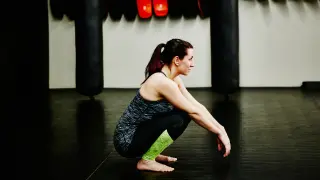
Deep squats are described as a natural rest position that preserves hip, knee and ankle mobility and builds the strength to rise from the floor—a movement linked to longevity in research from the European Journal of Preventive Cardiology. Dr. Zaki Afzal, a physical therapist, says this mobility readout reflects independence more than any miracle lifespan boost. The article offers three progression exercises to build squat ability—supported deep squat, heel-elevated goblet squat, and knee-to-wall ankle mobility—plus tips to adjust your stance, keep heels down, and use a heel lift temporarily if needed. It emphasizes gradual progression, correct form (sit between your feet, not behind them), and that improving the squat supports daily tasks like stairs and getting off the floor.
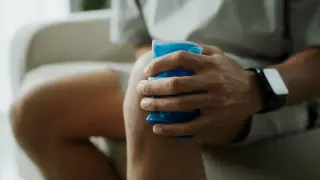
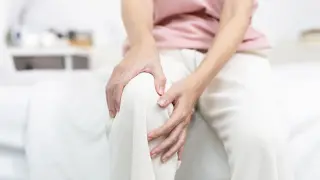
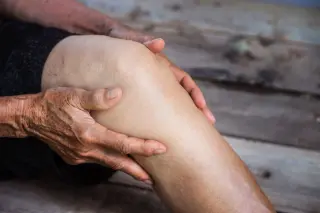
Knee pain can stem from injuries, overuse, or osteoarthritis. The article outlines five practical strategies: strengthen the muscles around the knee with low-impact or isometric exercises to protect the joint; aim for modest weight loss to reduce knee load; use ice after an acute injury (then switch to heat after 48–72 hours for stiffness); engage in low-impact activities (walking, cycling, swimming) to keep joints moving; and consider physical therapy for a personalized plan. See a doctor if pain lasts more than 2–3 weeks, or if there’s swelling, instability, or sleep disruption, as options can range from medications or injections to, in some cases, joint replacement when conservative treatments fail.
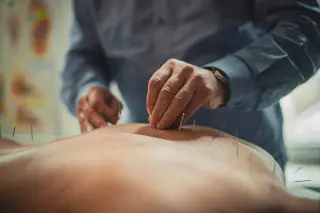
Chronic low back pain, lasting more than 12 weeks, often has no identifiable cause, but experts say acupuncture, hydrotherapy (aquatic exercise) and cognitive behavioral therapy can provide moderate relief—especially when paired with regular activity—though complete pain elimination is rare and finding the right combination usually requires trial and error with a clinician.
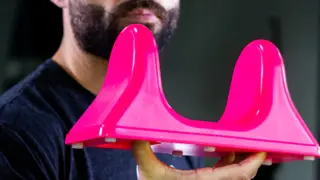
A physical-therapist–backed, $50 tool (Pso-Rite) promises to relieve lower-back pain by lying on a U-shaped device that targets the iliopsoas muscle. The author explains how releasing this hip-to-lower-back muscle can stabilize the spine, reporting immediate relief that lasts days, and notes this at-home method is best used as part of a broader PT approach and strength work. The piece also includes patient anecdotes and cautions readers to consult a professional for personalized pain management.
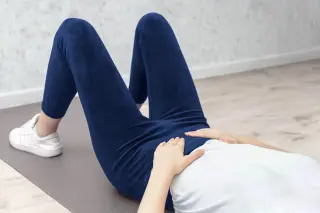
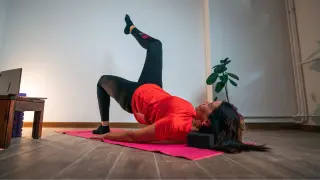
A physical therapist recommends adding the low‑impact heel slide as a daily habit to ease knee stiffness that often accompanies aging. To perform, lie on your back (or sit with legs extended), slide the heel toward the glutes to bend the knee, pause briefly, then slowly straighten the leg for 10–15 reps per leg, 1–3 sets daily. This simple movement promotes knee mobility, lubricates the joint, and can make everyday tasks like walking, climbing stairs, and standing up easier, with options to make it easier or harder as needed.
The article argues pelvic-floor health hinges on balancing strength with relaxation, introducing reverse Kegels (pelvic-floor relaxation) for hypertonic floors. It lists signs of tightness (pain with urination or sex, constipation, pelvic or low back pain, frequent urination) and notes limited but encouraging research on down-training after Kegels. It provides a four-step method: find a relaxed position, squeeze lightly to prime the release, let go slowly, and repeat about 10 slow reps daily, ideally as part of a wind-down routine. It also suggests yoga or meditation to reduce tension and recommends seeing a pelvic-floor physical therapist for assessment if unsure.
A 10-year randomized study in the New England Journal of Medicine found that arthroscopic shaving of degenerative meniscal tears provides little to no benefit compared with sham surgery or physical therapy and may worsen pain and accelerate osteoarthritis, sometimes leading to more surgery such as knee replacement; the findings echo decades of evidence against routine knee arthroscopy and have helped reduce the procedure in many countries, though treatment varies and acute injuries may still warrant different care.
A writer tries doing glute bridge marches daily for two weeks to combat chronic knee pain and boost running. Guided by physical therapist Dr. Andrew Gorecki, she reports knee pain easing during runs (pain-free by day eight), runs becoming slightly faster in week two, and knees feeling more stable going down stairs. The piece notes that the exercise strengthens the glutes without stressing the knee, but isn’t advised for acute injuries or certain knee conditions, and suggests starting with 8–10 reps per leg with proper form. The narrator plans to continue incorporating this glute work long-term.
A pelvic-floor physical therapist explains that hip tightness can stem from pelvic position rather than the hip itself, and shares a five-move routine (including 90-90 hip lift and hip shifts) designed to reset pelvic neutrality, open the hip joint, and build core coordination and glute activation—aiming for lasting mobility beyond simple stretching.