
Experts debunk viral lymphatic drainage claims as social media trends persist
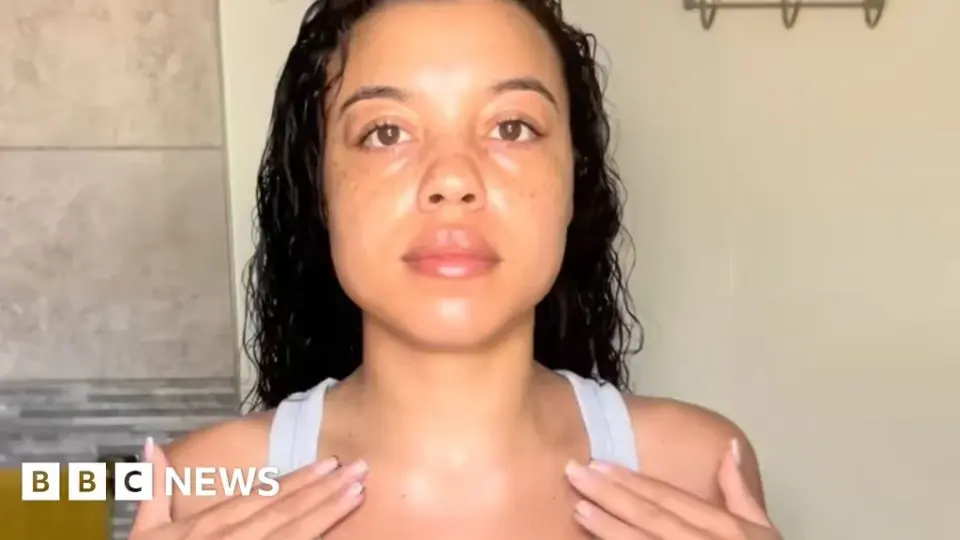
Viral videos promoting lymphatic drainage massages for 'debloating' and waist sculpting lack scientific backing for healthy individuals, though experts acknowledge temporary relaxation benefits. While celebrities endorse the practice, medical professionals warn that such treatments do not cause fat loss and are unnecessary for those without diagnosed conditions like lymphoedema. Critics highlight that social media visuals often use filters or poses to exaggerate results, potentially fueling body insecurities. For most people, regular exercise and hydration suffice for lymphatic health, and medical advice should come from professionals rather than online trends.
Key points
- Lymphatic drainage is a medical treatment for conditions like lymphoedema, not a general beauty routine for healthy people.
- Social media videos often use editing, lighting, or AI to create misleading before-and-after images of flatter stomachs.
- Experts state there is no high-quality evidence that these massages provide lasting benefits or promote fat loss for healthy individuals.
- The lymphatic system naturally manages fluid and immune defense through movement, making routine manual drainage unnecessary for most.
- Chasing these trends may increase body dissatisfaction, as healthy bodies vary in shape and size.
Background
Recent coverage has explored related trends like 'lymphatic walking,' which also lacks superior evidence over regular exercise for healthy people. Previous analyses have clarified that while the lymphatic system relies on movement for fluid balance, detox claims are often overstated, and major waste removal depends on organs like the liver and kidneys. This current trend continues a pattern of medical procedures being repurposed as cosmetic social media rituals without robust scientific support.
Why it matters
The proliferation of unverified health trends on social media can lead to unnecessary spending, body image issues, and the neglect of evidence-based health practices. Relying on online advice for medical or wellness concerns risks overlooking important individual health needs and can perpetuate unrealistic beauty standards that harm mental well-being.
What to watch
Expect continued debate over the efficacy of at-home wellness trends as social media platforms regulate health content. Medical professionals may issue further guidance to counter misinformation, while consumers may increasingly seek verified sources for health advice. The trend may evolve with new variations, but scientific scrutiny will likely remain focused on the lack of evidence for cosmetic benefits in healthy populations.
Want the full story? Read the original reporting
Read on BBC