
Healthcare and Beauty Professionals Detail Physical Cues They Use to Diagnose Health Issues
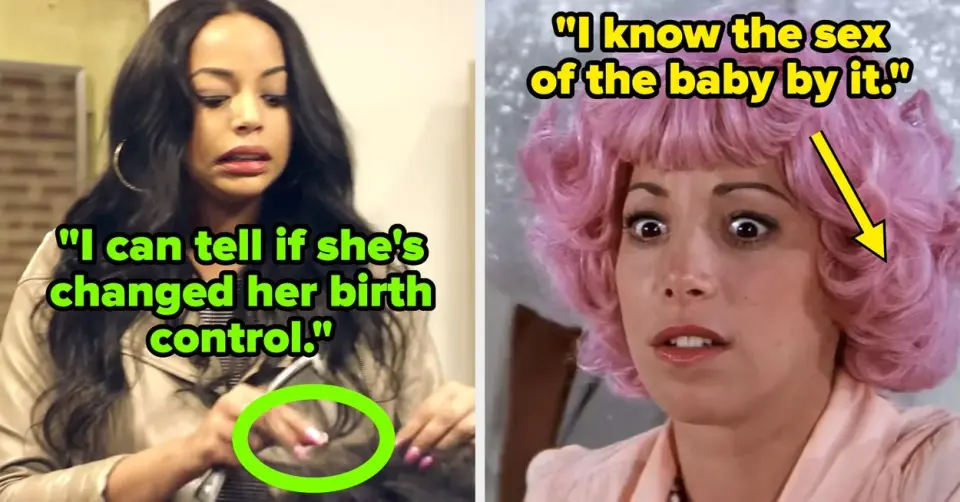
A BuzzFeed compilation aggregates anonymous accounts from healthcare and beauty professionals detailing specific physical cues they use to infer health conditions. Key insights include identifying smoking through scent changes during massage, detecting liver failure via distinct odors, and recognizing sleep apnea through loose eyelid skin. Other observations link TMJ pain to emotional trauma, identify hormonal imbalances through genital appearance, and suggest that certain professions or diets leave visible marks on skin and posture. The article highlights how subtle physical indicators can reveal medical or psychological states without direct patient disclosure.
Key points
- Massage therapists report detecting cigarette use through scent emerging after deep breathing, despite initial freshness.
- Nurses identify liver failure by a musty, greasy cheeseburger-like odor and distinguish various causes of bad breath, such as GERD or sinus infections.
- Eye doctors link loose eyelid skin, known as Floppy Eyelid Syndrome, to obstructive sleep apnea due to repeated hypoxia and inflammation.
- Pelvic therapists assess hormone levels through genital appearance and muscle tone, noting tightness in patients with trauma histories.
- Tattoo artists and estheticians identify smoking, dehydration, and dietary issues through skin texture, color, and capillary visibility.
- Personal trainers observe posture imbalances in mothers from carrying children and detect stroke warning signs through movement patterns.
Background
This story follows a recent BuzzFeed piece from November 10, 2026, which compiled insider secrets from hospital staff regarding staffing and patient care. The current article expands on the theme of professional observation, focusing on physical and sensory cues rather than institutional realities. It aligns with broader discussions on how bodily signals, such as those related to Lewy Body Dementia or obedience behaviors, reveal underlying conditions or states, though this piece focuses on voluntary professional observations rather than clinical misdiagnosis or psychological compliance.
Why it matters
The compilation underscores the diagnostic value of sensory and physical observations in healthcare and beauty industries, highlighting how professionals detect conditions like liver failure, sleep apnea, and hormonal imbalances through subtle cues. It emphasizes the importance of physical examination and sensory awareness in early detection, potentially encouraging patients to seek professional evaluation when noticing such changes. The insights also reveal the intersection of physical health and psychological well-being, such as the link between TMJ pain and emotional trauma, offering a holistic view of patient care.
What to watch
No specific next steps are outlined in the source. The article invites reader engagement by asking for similar observations from other body-focused professions. Future coverage may explore clinical validation of these anecdotal observations or expand on the role of sensory diagnostics in preventive healthcare.
Want the full story? Read the original reporting
Read on BuzzFeed